Federal trade court mandates that Trump officials must begin processing tariff refunds, marking a significant legal setback for the administration's trade policies.
The Court of International Trade has ordered the Trump administration to restart the process of issuing tariff refunds, delivering a significant legal defeat to the White House's trade policies. The ruling comes after businesses and importers challenged the administration's handling of tariffs that were ultimately overturned by the Supreme Court last year.
Background on the Tariff Controversy
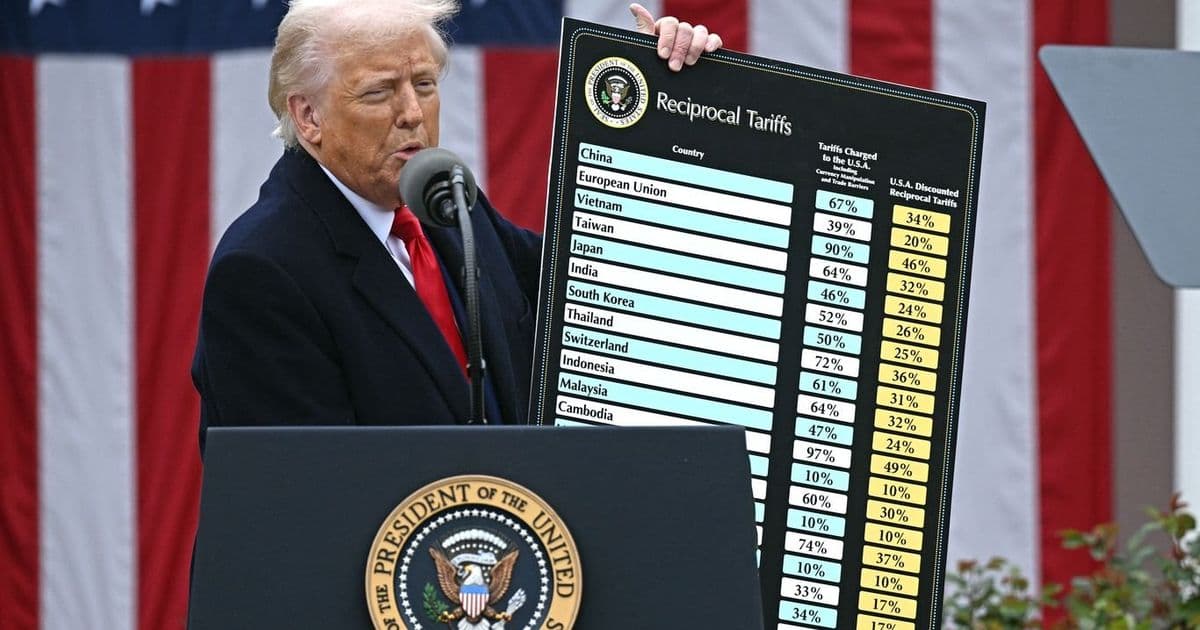
The dispute centers on reciprocal tariffs that President Trump unveiled last year, which were designed to match duties imposed by other countries on American goods. These tariffs were part of a broader protectionist trade agenda aimed at reducing trade deficits and protecting domestic industries. However, the Supreme Court ultimately overturned these measures, finding them to exceed the administration's statutory authority.
Court's Ruling and Implications
The trade court's decision requires the administration to begin processing refunds for businesses and importers who paid the disputed tariffs. This ruling creates a substantial financial obligation for the government, as billions of dollars in tariff payments collected during the period when the measures were in effect may now need to be returned.
Legal experts suggest this decision could have broader implications for how future administrations implement trade policies. The ruling reinforces the principle that executive actions must stay within statutory boundaries and that affected parties have recourse when government actions are later found to be unlawful.
Economic Impact
For businesses that paid the tariffs, this ruling provides a path to recoup significant costs. Many companies absorbed the tariff expenses by raising prices, reducing profit margins, or shifting supply chains. The refund process could provide financial relief and potentially impact pricing strategies in affected industries.
Trade economists note that the uncertainty created by the tariffs and subsequent legal battles has already influenced business decisions. Some companies accelerated plans to diversify supply chains away from countries subject to the tariffs, while others stockpiled inventory to avoid future duties.
Next Steps
The administration must now establish procedures for determining eligibility and processing refund claims. This administrative challenge comes at a time when government agencies are already managing complex processes related to other policy changes. The timeline for completing the refund process remains unclear, but affected businesses are expected to begin filing claims immediately.
The ruling represents another chapter in the ongoing debate over trade policy and executive authority, highlighting the legal and economic complexities of using tariffs as a tool of economic policy.
Comments
Please log in or register to join the discussion