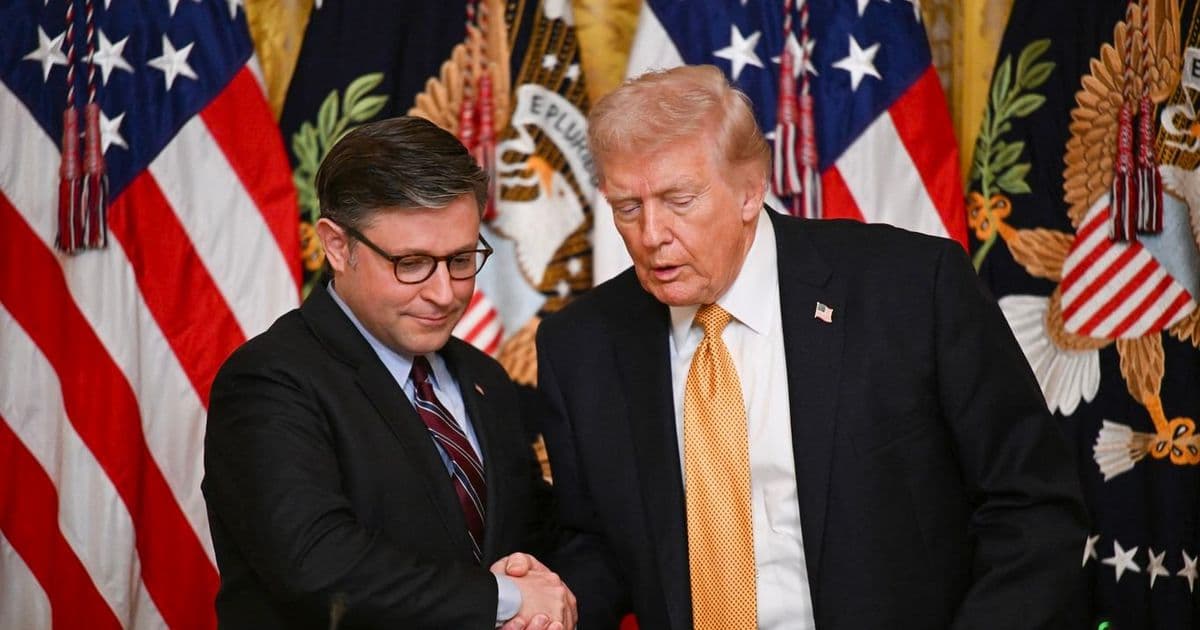
President Trump's influence over House Republicans faced a significant test as the chamber failed to pass a reauthorization of the Foreign Intelligence Surveillance Act, marking a rare legislative defeat for the former president.
President Trump suffered a rare legislative defeat on Thursday as House Republicans failed to pass a reauthorization of the Foreign Intelligence Surveillance Act (FISA), despite the former president's public lobbying efforts.
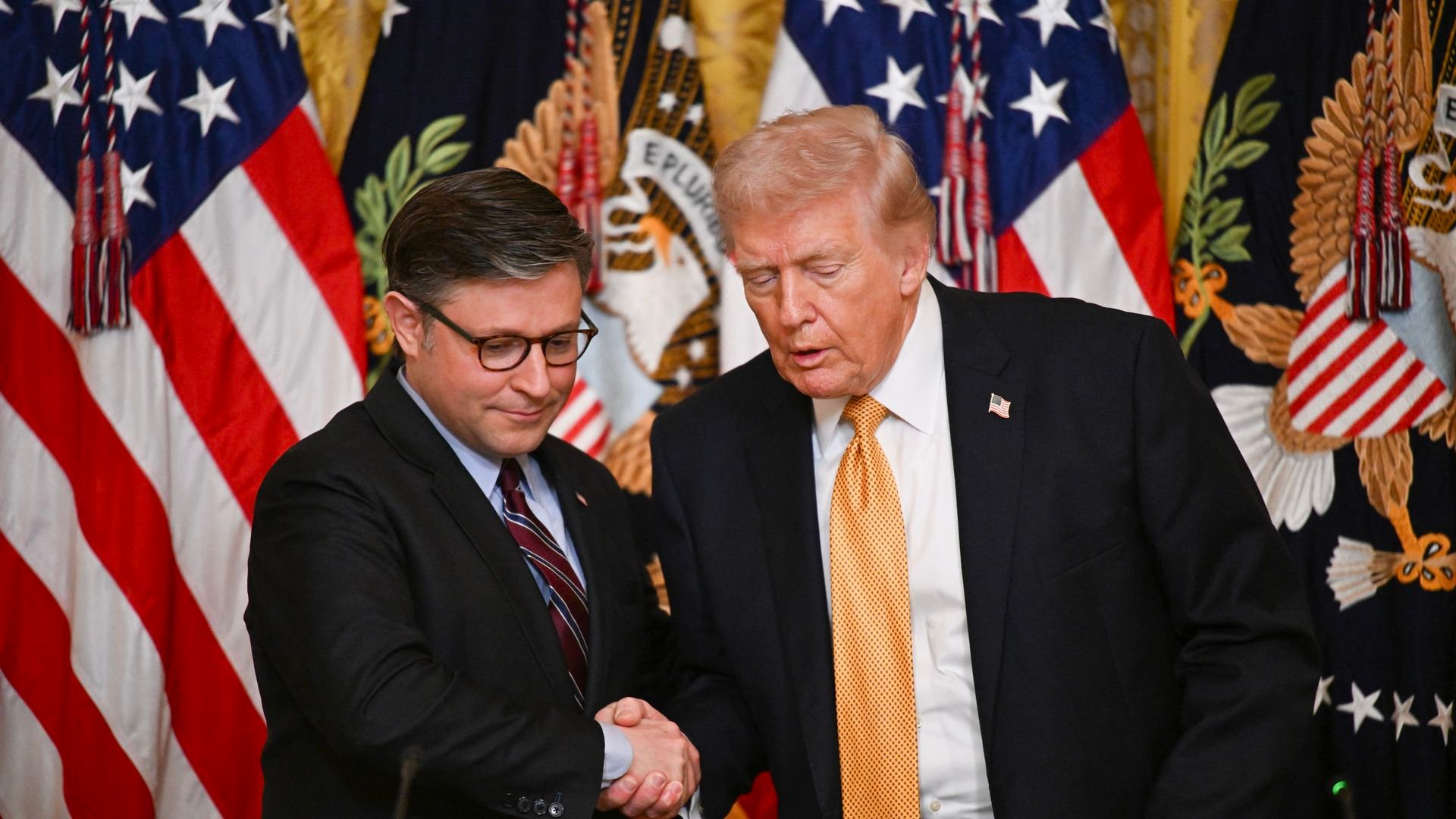
The 227-193 vote fell short of the two-thirds majority required under expedited rules, with 19 Republicans joining Democrats in opposing the measure. The bill would have extended Section 702 of FISA, which allows warrantless surveillance of foreign targets but has been criticized for potentially capturing Americans' communications.
Trump had thrown his support behind the reauthorization earlier in the week, breaking from some conservative allies who wanted stricter reforms. His endorsement came after weeks of internal Republican debate over balancing national security needs with privacy concerns.
"This is about protecting America," Trump posted on his social media platform, urging Republicans to support the bill. "We need these tools to keep our country safe."
However, the former president's influence appeared limited as a coalition of libertarian-leaning Republicans and progressive Democrats united against the measure. Representative Thomas Massie of Kentucky, a frequent Trump ally, led the opposition, arguing that the bill didn't include sufficient safeguards against domestic surveillance.
"We cannot trade our constitutional rights for the promise of security," Massie said during floor debate. "The American people deserve both."
The defeat marks a significant moment in Trump's post-presidency political capital. While he successfully influenced GOP primaries and maintained strong support among the party base, Thursday's vote demonstrated limits to his sway over congressional Republicans on complex policy matters.
Speaker Mike Johnson, who had worked closely with Trump to secure votes, acknowledged the setback but remained optimistic about future efforts. "This is not the end of the road," Johnson told reporters. "We'll bring this back with the reforms the members are asking for."
The FISA reauthorization debate highlighted ongoing tensions within the Republican Party between national security hawks and civil liberties advocates. It also underscored the challenges of passing surveillance legislation in an era of heightened privacy concerns and partisan polarization.
The failure to pass FISA renewal raises questions about how intelligence agencies will operate once current authorities expire. The government has warned that losing these surveillance capabilities could hamper counterterrorism efforts and foreign intelligence gathering.
Political analysts suggest the vote could embolden Trump's critics within the GOP while testing his ability to deliver on legislative priorities. The outcome may influence upcoming negotiations on other key issues where Trump has taken a position.
As Congress returns from recess, attention will focus on whether Johnson can craft a compromise that satisfies both Trump's national security priorities and the privacy concerns of skeptical Republicans. The balance between security and civil liberties remains a defining challenge for the modern surveillance state.
Comments
Please log in or register to join the discussion