Trump advisers want AI companies to give the public a share of future gains, but Cabinet officials, lawmakers, and industry executives disagree on who should hold the stake and how taxpayers would benefit.
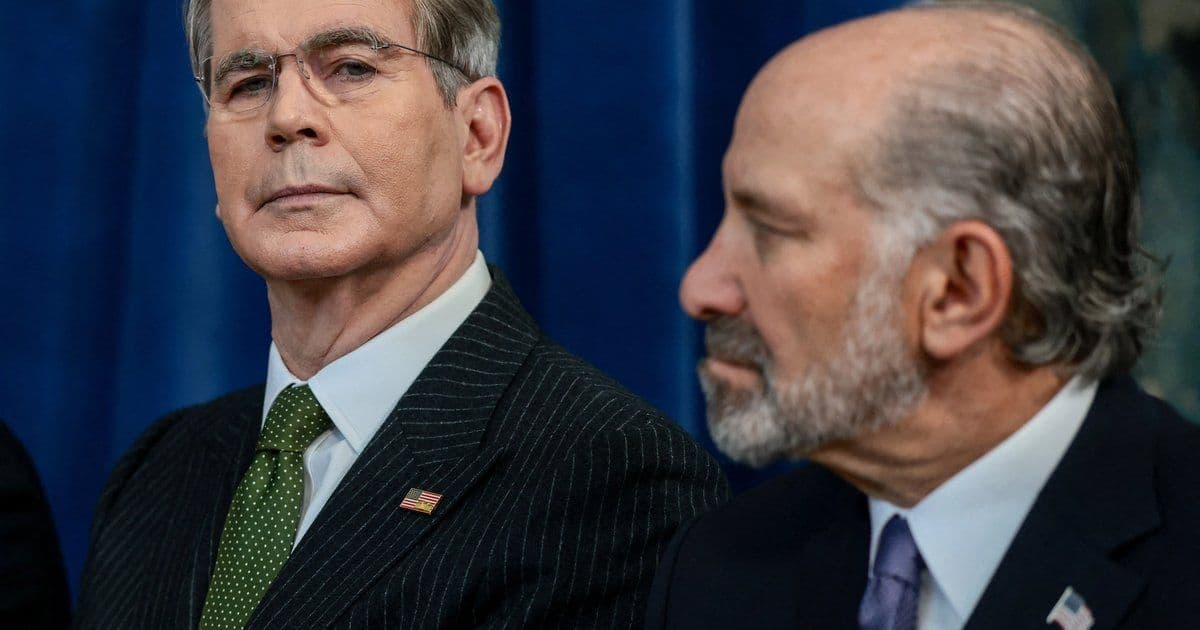
Eleanor Mueller of Semafor reported June 17 that senior Trump administration officials have discussed government equity stakes in large AI companies, with Treasury Secretary Scott Bessent and Commerce Secretary Howard Lutnick favoring different structures.
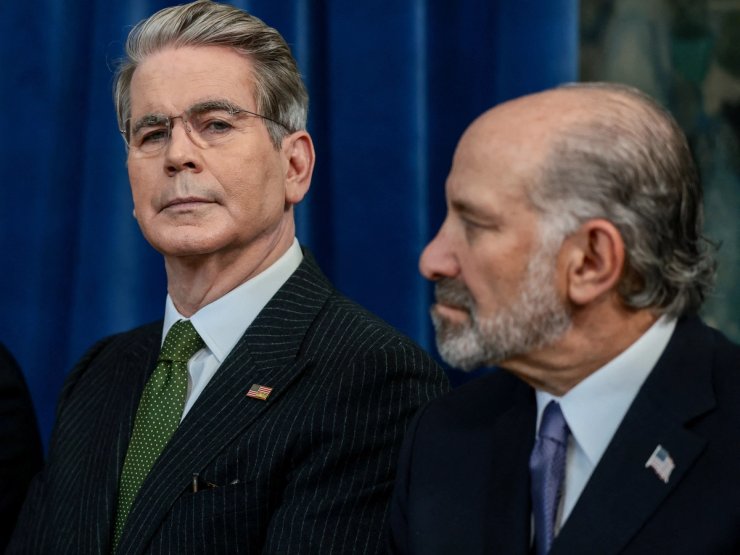
Bessent has supported using AI equity to seed Trump Accounts, according to Semafor. Lutnick has preferred routing any stake into a sovereign wealth fund or a national and economic security fund.
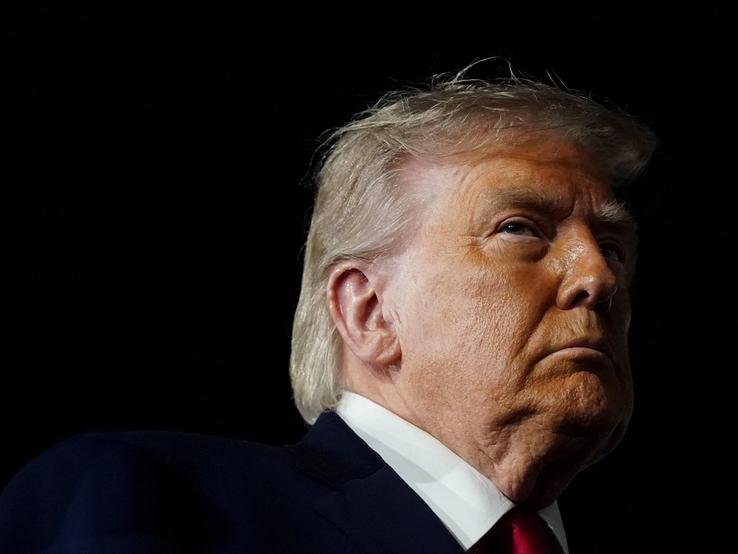
President Donald Trump has framed the idea as a way for the public to share in gains from companies that rely on U.S. infrastructure, federal contracts, energy policy, and export rules. He told reporters this month that he planned to meet with 12 or 15 top AI executives to discuss the industry “giving back something to the public.”
OpenAI pushed an early version of the idea last year, according to Semafor. Sam Altman’s team discussed a model that would draw from the Alaska Permanent Fund and Trump Accounts. Anthropic also referenced sovereign wealth funds and capital accounts in a policy framework released last week.
Industry support looks thin. Microsoft and Meta executives have resisted the concept, Semafor reported. One AI lobbyist told the outlet that companies may praise the idea in public while doing little to build it.
The fight lands as Washington increases pressure on frontier AI labs. Trump officials imposed export controls on Anthropic’s latest models, Mythos and Fable, after Bessent raised concerns with bank CEOs about risks from Mythos. Lutnick now leads the administration’s export-control push against Anthropic.
That timing matters for founders and investors. A company can negotiate tax treatment, safety reviews, procurement, and export licenses as separate matters. Trump’s team can tie them together. Executives who oppose equity stakes may find themselves arguing against the same officials who control model access, overseas sales, and federal adoption.
The policy question has no clean template. Intel accepted U.S. grants in exchange for equity because the government wanted more domestic chip capacity. Frontier AI labs sit in a different position. OpenAI, Anthropic, Microsoft, Meta, Google, and xAI compete for talent, chips, energy, enterprise customers, and model leadership. Their valuations also make a meaningful stake expensive.
Will Rinehart of the American Enterprise Institute told Semafor that high valuations could make equity hard to justify. A tax could raise money without forcing the government onto cap tables, but Congress would need to pass it. Lawmakers have shown little appetite for a new AI levy.
Returns create another problem. Many AI labs spend cash on compute, research, data centers, and distribution. Shareholders may wait years for dividends. If the government takes equity, taxpayers may own a paper asset that produces no cash while the company spends to stay in the race.
Sen. Cynthia Lummis, R-Wyo., called the proposal a “head-scratcher,” according to Semafor. Sen. John Kennedy, R-La., used a Senate Banking Committee hearing to question whether AI leaders deserve trust. Their skepticism points to a broader split among Republicans: Some want the U.S. to back national AI champions, while others distrust corporate power and federal ownership.
The developer and tech communities have split along similar lines. Supporters of public stakes argue that frontier AI companies depend on public goods. They use federal research, immigration policy, energy infrastructure, defense demand, and U.S. capital markets. If those companies reach trillion-dollar valuations, taxpayers could claim part of the upside.
Critics see a threat to startup formation. Founders and investors prefer rules they can price: taxes, safety standards, procurement terms, export controls, and antitrust review. Equity demands create negotiation risk. A company may face pressure to give up ownership because regulators control unrelated approvals.
AI safety advocates add a separate concern. They want federal guardrails for model release, biosecurity, cyber use, and government deployment. Caleb Max, president and CEO of the National Artificial Intelligence Association, told Semafor that AI companies need “proper guardrails and federal legislation,” rather than cash infusion.
The administration has sent mixed signals on AI governance. Trump signed an executive order that created a voluntary review process for future AI models. Officials then told Lutnick’s Center for AI Standards and Innovation to halt similar work while they carried out the order. The Commerce Department also sent officials to meet with Anthropic about Mythos and Fable, Semafor reported.
Developers should watch the structure more than the slogan. A Trump Account model would put returns into individual accounts. A sovereign wealth fund would place assets under federal management. A national and economic security fund could support industrial policy goals such as chips, critical minerals, energy, cloud infrastructure, or defense AI.
Each structure creates different incentives. Individual accounts give the White House a retail pitch: AI companies prosper, and households share gains. A sovereign fund gives officials more control over capital allocation. A security fund ties AI equity to supply chains and defense priorities.
OpenAI’s IPO filing and Anthropic’s expected public-market path raise the stakes. Public listings could give the government a cleaner way to price equity. They could also harden opposition from investors who want standard governance terms before they buy shares.
Direct links for context: OpenAI, Anthropic, Microsoft AI, Meta AI, the U.S. Treasury Department, and the U.S. Commerce Department.
Trump has not decided on a structure, according to Semafor. The next signal will come from the meeting he previewed with AI CEOs, if the White House schedules it. Executives will enter that room with two pressures in view: Washington wants more control over frontier models, and the president wants the public to get a claim on the upside.
Comments
Please log in or register to join the discussion