Accountability nonprofit reveals 14 states failing to disclose massive revenue shortfalls from server farm subsidies, with some losing over $1 billion annually.
US states are violating federal accounting standards by failing to disclose billions in lost revenue from datacenter tax subsidies, according to a new report from Good Jobs First that reveals a widespread lack of transparency in how server farm incentives are reported.
The accountability nonprofit's report, "Data Center Tax Abatements: Why States and Localities Must Disclose These Soaring Revenue Losses," identifies 14 states that are not complying with Generally Accepted Accounting Principles (GAAP) requirements established in 2017. These states are failing to report revenue shortfalls in their Annual Comprehensive Financial Reports (ACFRs), instead burying the information in unregulated Tax Expenditure Reports (TERs).
States losing over $1 billion annually
Three states are hemorrhaging more than $1 billion per year in lost revenue due to datacenter tax breaks, the report finds:
- Georgia: $2.5 billion annually
- Virginia: $1.94 billion annually
- Texas: $1 billion annually
Only three states – Washington, Texas, and Virginia – are properly disclosing these losses in their audited financial reports as required by Governmental Accounting Standards Board (GASB) Statement No. 77 on Tax Abatement Disclosures.
The scale problem
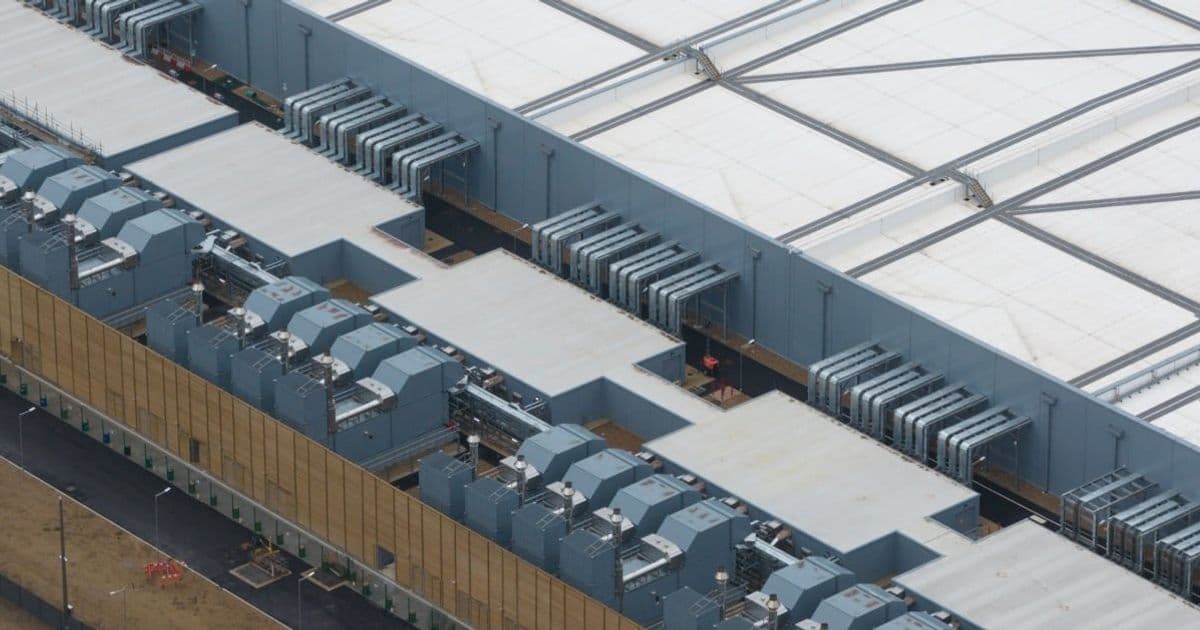
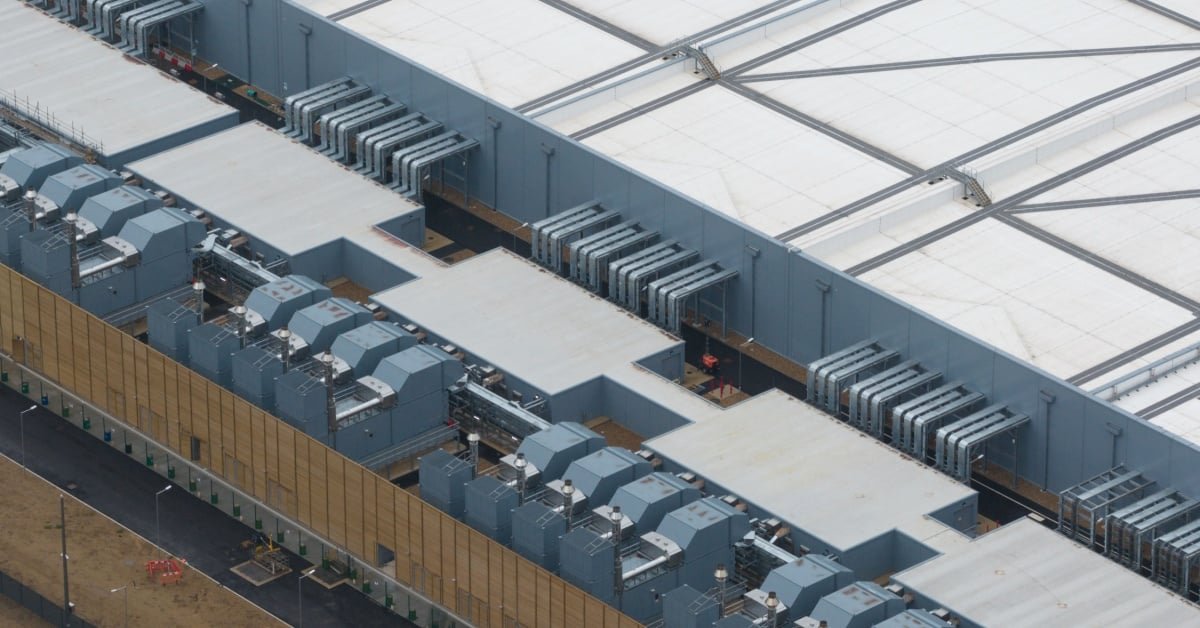
The issue stems from tax abatement laws written when datacenters were much smaller facilities. The AI boom has transformed these operations into massive energy and water consumers. Meta's Hyperion datacenter cluster in Louisiana, for example, would cover most of Manhattan if located in New York City.
These hyperscale facilities now consume as much electricity and water as entire towns while occupying enormous footprints. The report notes that Amazon, Google, Meta, and Microsoft plan to spend roughly $635 billion on capital expenditures this year alone, much of it for server farms and AI infrastructure.
Questionable value proposition
Good Jobs First executive director Greg LeRoy questions whether an industry planning such massive investments needs taxpayer subsidies at all. The organization's previous research found that taxpayers typically pay at least $1 million for each permanent job created by a datacenter site.
"No form of state spending is more out of control today than datacenter tax abatements," LeRoy said. "Hyperscale datacenters are not only extractive of electricity, water, and land; they are also undermining public budgets."
The timing is particularly problematic given federal austerity measures that will significantly impact administrative budgets across states.
Growing backlash
The lack of transparency may be intentional, given mounting opposition to datacenter projects nationwide. Data Center Watch reported that 20 US projects were blocked or delayed amid local opposition during Q2 2025 alone. The situation has become so heated that gunshots were fired at the home of an Indianapolis councilor who supported plans for a local server farm.
Recommendations and implications
The report calls for immediate action:
- All states and localities must conform to GAAP and fully disclose datacenter tax abatement revenue losses
- States should retrospectively report losses for every fiscal year since 2017
- Greater scrutiny of whether these subsidies provide adequate return on investment
As datacenter projects continue to face local resistance and questions about their economic benefits mount, the lack of financial transparency makes it nearly impossible for citizens and policymakers to evaluate whether these massive tax breaks serve the public interest or simply enrich tech giants at the expense of essential public services.
The findings raise fundamental questions about corporate welfare in the digital age and whether states are sacrificing their fiscal health to attract facilities that may not deliver promised economic benefits while imposing significant environmental and infrastructure costs on local communities.
Comments
Please log in or register to join the discussion