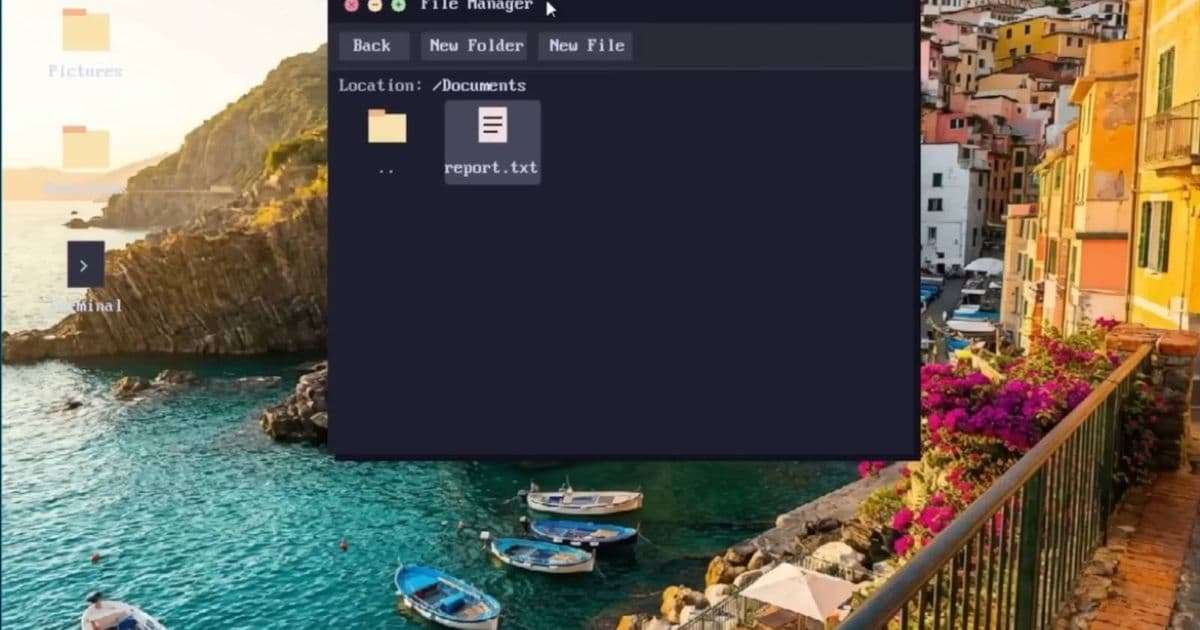
A vibe-coded operating system boots to a macOS-like desktop but fails at basic functions like networking and file operations, showcasing both the potential and limitations of AI-generated code.
Vib-OS, an operating system built entirely through AI-generated code, represents an ambitious experiment in vibe coding that manages to boot but struggles with fundamental functionality. The project, which boasts over 25,000 lines of C and Assembly code, creates a Unix-like environment with macOS-inspired aesthetics that runs on multiple architectures including ARM64 and x86_64.
[IMAGE:1]
The operating system's most impressive achievement is simply getting to a desktop environment. For an AI-generated project, having a graphical interface that resembles macOS is no small feat. The desktop boots successfully on platforms like QEMU and even runs on real hardware including Raspberry Pi 4/5 and x86_64 PCs. This alone demonstrates the potential of AI-assisted development for complex systems programming.
However, the limitations quickly become apparent once users attempt basic operations. Networking functionality, a cornerstone of modern operating systems, fails to work. The included TCP/IP stack, while present in the codebase, cannot establish internet connections. This makes the operating system essentially isolated from the broader computing ecosystem.
File operations present another major hurdle. Users cannot delete files, and the virtual file system (VFS) struggles with basic management tasks. Even more problematic is the inability to run the pre-included copy of Doom, a traditional benchmark for operating system capabilities. If an OS can't handle a classic game that's been ported to everything from digital cameras to pregnancy tests, it has fundamental issues.
The user experience is further complicated by surreal bugs that emerge from the AI-generated codebase. Perhaps most bizarre is the mouse behavior: when opening applications using dedicated Function key shortcuts, the cursor begins "eating" the app interface as it moves across the screen. This visual glitch makes navigation nearly impossible.
Even more surreal is the note-taking application's behavior. When users hover over different sections of the note app, the interface begins rebuilding itself under the cursor. This creates a constantly shifting UI that's both fascinating and completely unusable. The app essentially reconstructs its own interface in real-time based on mouse position, resulting in a chaotic visual experience.
Snake, the classic mobile game, runs but performs poorly, highlighting the system's inability to handle even simple graphical applications smoothly. The game's sluggish performance and potential visual glitches further demonstrate the limitations of the AI-generated graphics and input handling systems.
These issues stem from the fundamental nature of vibe coding, where AI generates code based on patterns and examples rather than deep architectural understanding. While the approach can produce impressive results in terms of getting something to boot and display a desktop, it struggles with the nuanced, interconnected systems that make operating systems functional.
The project's GitHub description promises features like "full multi-architecture support" and a "modern macOS-inspired graphical user interface," but the reality falls short of these ambitious claims. The disconnect between the promised capabilities and actual functionality illustrates the current limitations of AI in systems programming.
Despite these shortcomings, Vib-OS represents an important milestone in AI-assisted development. The fact that it boots at all, displays a functional (if buggy) desktop, and runs some applications demonstrates that AI can handle significant portions of operating system development. The project serves as both a proof of concept and a cautionary tale about the current state of vibe coding for complex systems.
For developers and researchers, Vib-OS offers valuable insights into what AI can and cannot accomplish in operating system development. The project highlights areas where human oversight and traditional development practices remain essential, particularly for core systems functionality like networking and file management.
The surreal bugs, while frustrating from a usability perspective, also provide entertainment value and demonstrate the unpredictable nature of AI-generated code. Features like the "eating" mouse cursor and self-rebuilding note app interface are the kind of unexpected behaviors that emerge when AI attempts to solve complex problems without fully understanding the underlying systems.
As AI development tools continue to evolve, projects like Vib-OS will likely become more common and more capable. However, this experiment shows that we're still far from the point where AI can replace human developers for critical systems programming tasks. The operating system boots, but it's clear that booting is just the beginning of what makes an operating system truly functional.
For now, Vib-OS remains an impressive technical achievement that showcases both the potential and the limitations of vibe coding. It's a reminder that while AI can generate impressive amounts of code and even create functional systems, the nuanced understanding and architectural thinking that human developers bring to complex projects remains irreplaceable.
Comments
Please log in or register to join the discussion