Virginia Governor Abigail Spanberger's successful push to redraw congressional districts marks a major Democratic victory in the ongoing battle over electoral maps, potentially shifting the balance of power in the U.S. House.
Virginia Governor Abigail Spanberger has emerged victorious in a high-stakes political gamble that could reshape the state's congressional delegation and influence national politics for years to come. The Democratic governor's successful push to redraw Virginia's congressional map represents a significant win in the ongoing redistricting wars that have become a central battleground in American politics.
The redistricting effort, which culminated in a dramatic legislative session, saw Spanberger and her allies successfully navigate a complex political landscape to secure new boundaries that favor Democratic candidates in several key districts. The changes come after years of Republican control over the redistricting process, which had given the GOP a structural advantage in many of Virginia's congressional races.
The Numbers Behind the Shift
The new map redraws all eleven of Virginia's congressional districts, with particular attention paid to competitive suburban areas around Richmond, Northern Virginia, and Hampton Roads. According to independent analysts, the changes are projected to give Democrats a net gain of at least one and potentially two additional seats in the U.S. House of Representatives.
This shift is particularly significant given Virginia's status as a key swing state in national elections. The state, which voted for Barack Obama in 2008 and 2012, then for Donald Trump in 2016, and Joe Biden in 2020, has become increasingly competitive at the congressional level. The new map aims to better reflect the state's evolving demographics and voting patterns.
The Political Calculus
Spanberger's decision to prioritize redistricting reform was not without risk. The governor, who won her office in 2021 by a narrow margin, faced pressure from both progressive Democrats demanding aggressive action and moderate voters wary of what they saw as partisan manipulation of electoral boundaries.
"This wasn't just about winning seats," Spanberger said at a victory rally. "It was about ensuring that every Virginian's vote carries equal weight, regardless of where they live or which party they support."
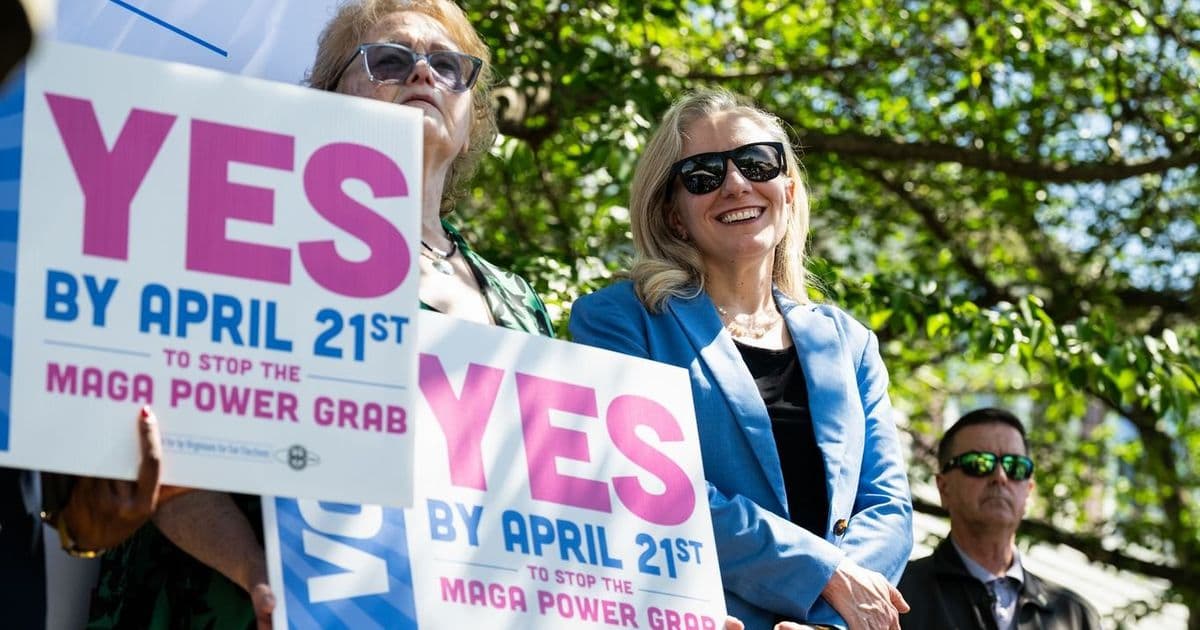
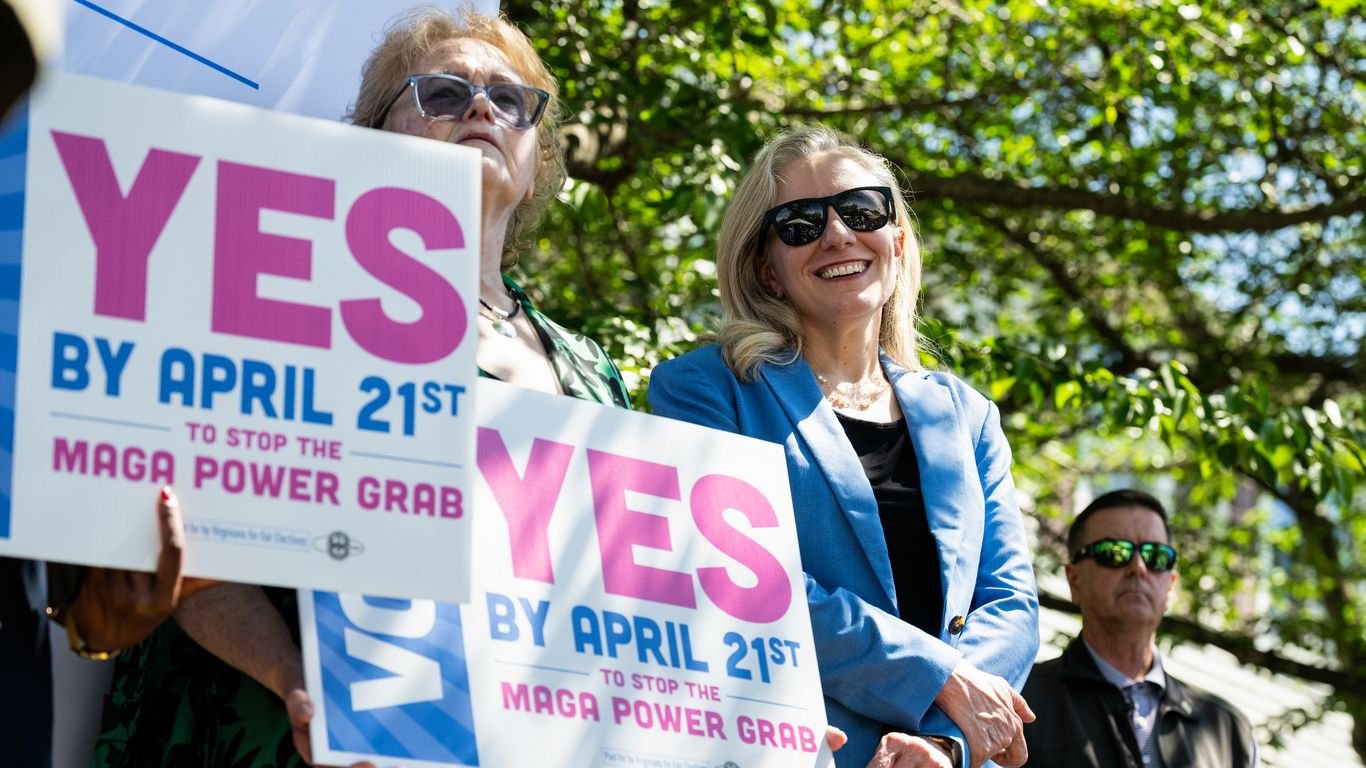
The governor's approach combined legislative maneuvering with public pressure campaigns, including the rally shown in the accompanying photo where Spanberger addressed supporters in Richmond. The event, organized by the advocacy group Fair Maps Virginia, drew thousands of participants and helped build momentum for the redistricting effort.
The Broader Context
Virginia's redistricting battle is part of a larger national trend as states across the country grapple with how to draw fair and representative electoral maps. The 2020 census data revealed significant population shifts that have forced many states to redraw their boundaries, creating opportunities for both parties to gain advantages.
However, Virginia's case is unique in several ways. The state has a recent history of redistricting reform, having passed a constitutional amendment in 2020 that created an independent commission to handle the process. When that commission deadlocked, control reverted to the legislature, setting the stage for Spanberger's intervention.
What This Means for 2026 and Beyond
The immediate impact of the new map will be felt in the 2026 midterm elections, where Democrats are expected to defend their narrow majority in the U.S. House. Political analysts suggest that Virginia's new boundaries could provide a crucial buffer against the typical losses that the president's party faces in midterm contests.
Looking further ahead, the redistricting changes could have lasting effects on Virginia's political culture. By creating more competitive districts in some areas while solidifying Democratic advantages in others, the new map may encourage more moderate candidates and reduce political polarization.
The Republican Response
Not surprisingly, Virginia Republicans have denounced the redistricting effort as a partisan power grab. State GOP chair Richard Hayes called it "a betrayal of the voters who approved redistricting reform just two years ago."
However, legal experts suggest that the new map is likely to withstand court challenges. Unlike some of the more extreme partisan gerrymanders seen in other states, Virginia's new boundaries generally follow county lines and respect communities of interest, criteria that courts have traditionally favored.
The National Implications
Virginia's redistricting victory comes at a crucial moment for Democrats nationally. With control of Congress hanging in the balance and the 2024 presidential election on the horizon, every seat matters. The party's ability to secure favorable maps in key states like Virginia could prove decisive in maintaining or expanding their legislative majorities.
Moreover, the success of Spanberger's strategy may encourage other Democratic governors in competitive states to take similar approaches to redistricting. This could lead to a new phase in the redistricting wars, with both parties seeking to maximize their advantages wherever possible.
Looking Forward
As Virginia prepares for the implementation of its new congressional map, all eyes will be on the 2026 elections to see how the changes actually affect voting patterns and electoral outcomes. The true test of Spanberger's gamble will come when voters head to the polls and decide whether the new boundaries produce the fairer, more representative democracy that supporters promise.
For now, Democrats have reason to celebrate a significant victory in Virginia, but the broader battle over redistricting is far from over. As demographic shifts continue and political control of state governments changes hands, the fight over electoral maps will remain a central feature of American politics for years to come.
Comments
Please log in or register to join the discussion