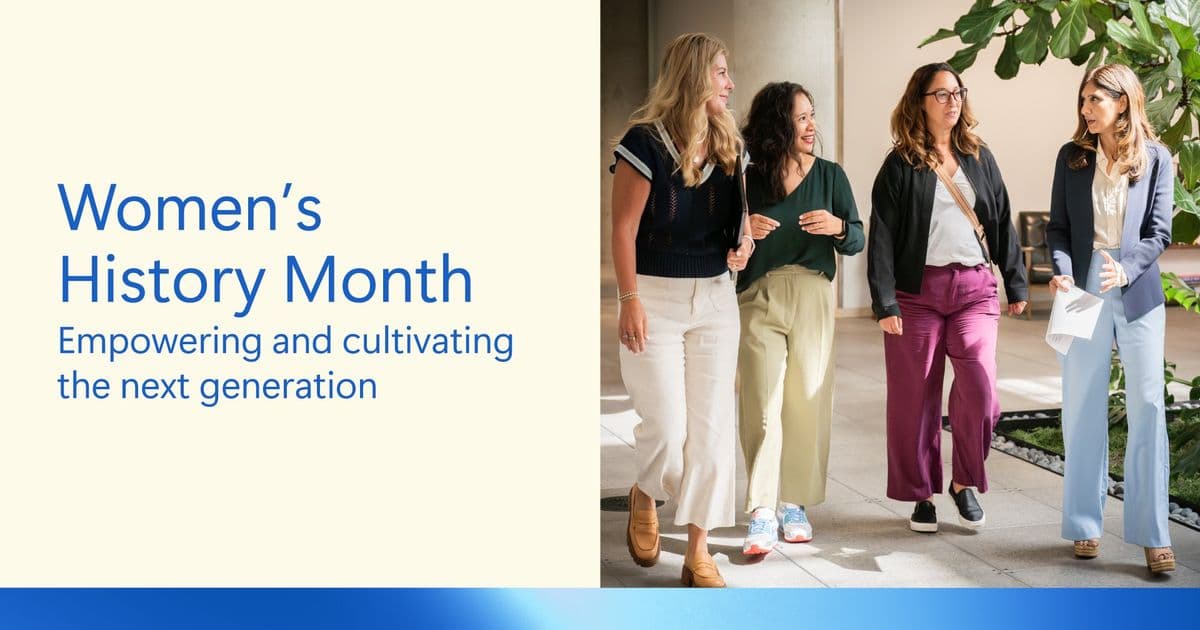
Microsoft Security's VP Vasu Jakkal highlights the critical need for diversity in cybersecurity, emphasizing that women early in their careers bring essential perspectives to AI-powered security challenges. With women representing only 24% of the cybersecurity workforce globally, the article outlines actionable steps to cultivate talent throughout their career journey.
Women’s History Month—and International Women’s Day on March 8, 2026—always gives me pause for reflection. It’s a moment to think about how far we’ve come and think about who we choose to uplift as we look ahead. Throughout my career, I’ve been inspired by extraordinary women leaders—trailblazers who broke barriers, opened doors, and reshaped what leadership in technology looks like. But today, I want to shine a light on another group that inspires me just as deeply: women early in their careers—the builders, learners, and question-askers who are defining the future of cybersecurity and developing their skills in the era of AI.
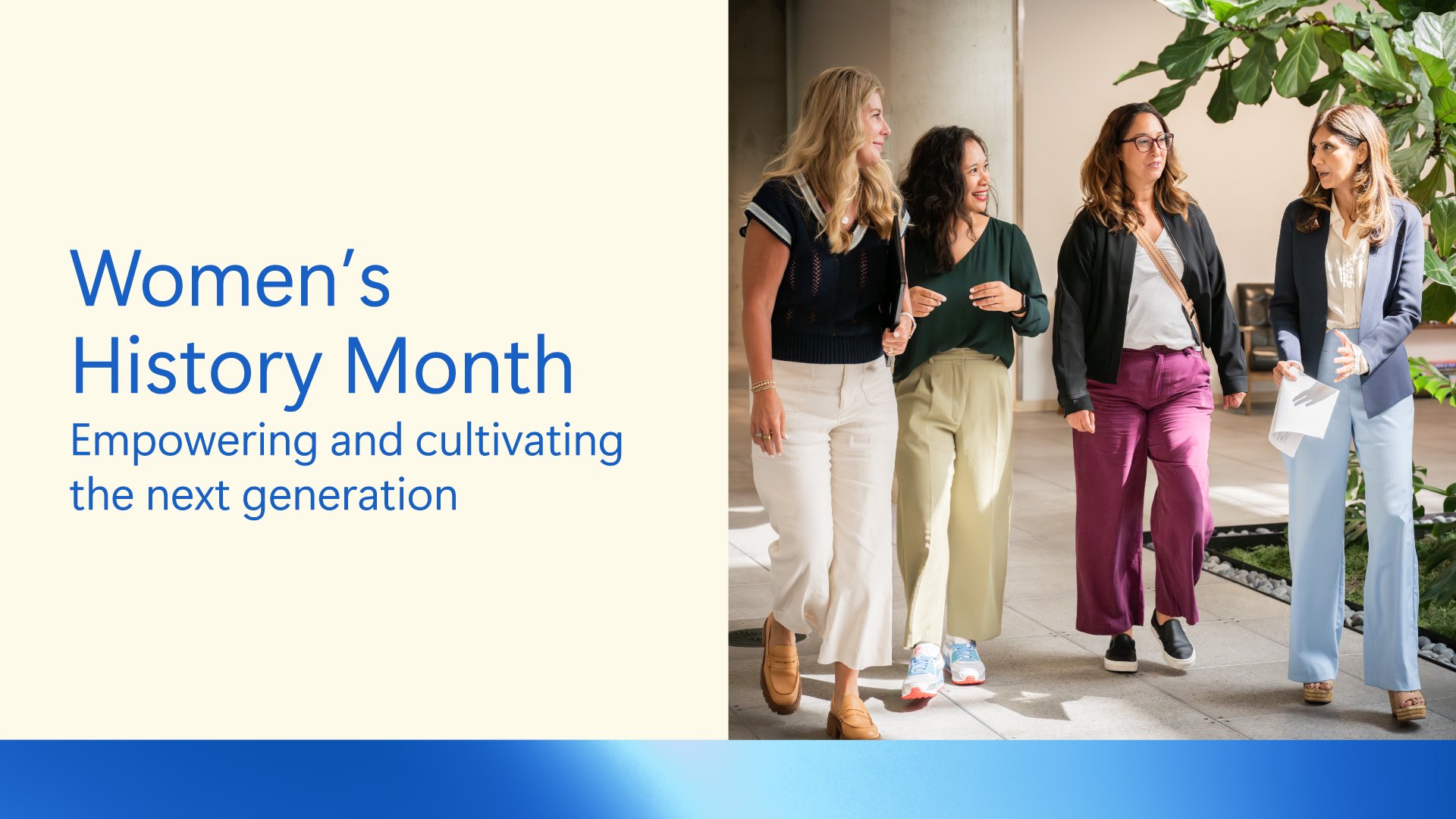
These women are entering the field at a moment of unprecedented complexity. Cyberthreats are accelerating. AI is reshaping how we defend, detect, and respond. And the stakes—for trust, safety, and resilience—have never been higher. That’s exactly why it has never been more critical to have a wide range of experiences and perspectives in our defender community.
Why diversity of perspectives is not optional in cybersecurity
Cybersecurity is fundamentally about understanding people—how they behave, how they make decisions, how systems can be misused, and where harm can occur. That’s why diversity of perspectives, backgrounds, experiences, and people is a security imperative. The ISACA paper titled “The Value of Diversity and Inclusion in Cybersecurity” concludes that cybersecurity teams lacking diversity are at greater risk of engaging in limited threat modeling, exhibiting reduced innovation, and making less robust decisions in complex security environments.
At Microsoft Security, we recognize that the cyberthreats we encounter are as varied and multifaceted as humanity itself. To stay ahead, our teams must reflect that diversity across gender, background, culture, discipline, and lived experience. When teams bring different perspectives to the table:
- They ask better questions;
- They surface risks earlier;
- They design systems that work for more people;
- And they build security that is resilient by design.
The power of women early in career and beyond
Women early in their career bring something incredibly powerful to cybersecurity and AI: fresh perspective paired with fearless curiosity. Women bring empathy, clarity, systems thinking, and collaborative leadership that directly strengthen our ability to detect cyberthreats, understand human behavior, and build secure products that work for everyone.
This makes me think of my valued friend and colleague, Lauren Buitta, who is the founder and chief executive officer (CEO) of Girl Security. Lauren has been a tireless advocate for providing women early in career—especially those from underrepresented backgrounds, with the skills and confidence needed to enter security careers. She often says, “Security isn’t just a discipline—it’s empowerment through knowledge.” That philosophy extends to Girl Security’s work preparing the next generation to navigate and lead in an AI-powered world. Her efforts show us that nurturing curiosity early on can have lasting effects throughout life.
They challenge assumptions that may no longer hold. They ask “why” before accepting “how.” They’re often the first to notice gaps—in data, in design, in who is represented and who is missing. Supporting women at this stage isn’t just about equity. It’s about strengthening the future of security itself. These actions build a stronger, more resilient security ecosystem.
Building and cultivating pathways for the next generation
Investing in women early in their cybersecurity and AI security careers is essential. Early access to education, opportunity, and confidence building experiences helps more women see themselves in this field—and choose to stay. But if we stop there, we shouldn’t be surprised when the numbers don’t move.
In fact, independent global analyses from the Global Cybersecurity Forum and Boston Consulting Group show that women represent just 24% of the cybersecurity workforce worldwide—a figure reinforced by LinkedIn’s real-time labor market data.
What I’ve realized is this: To change outcomes, we have to cultivate women throughout their careers—from first exposure to technical mastery, from early roles to leadership, and from individual contributor to decisionmaker. Otherwise, we’ll continue to bring women into the field without creating the conditions that allow them to grow, advance, and remain.
That means pairing early career investment with sustained support, inclusive cultures, and everyday actions that reinforce belonging and opportunity over time. Here are meaningful steps we can all take—not just to widen the pipeline, but to strengthen it end to end:
Share stories from a diverse set of role models at every career stage. Representation fuels imagination. When women early in career see themselves reflected in cybersecurity, they’re more likely to enter the field. When women midcareer and in senior roles see paths forward, they’re more likely to stay and lead.
Reevaluate job descriptions at entry and beyond. Rigid expectations or narrow definitions of technical expertise discourage qualified candidates from applying, and can also limit progression into advanced or leadership roles.
Invest in inclusive training and early career programs and sustain learning over time. Accessible, hands-on learning builds confidence early. Continued upskilling, reskilling, and leadership development ensure women can evolve alongside rapidly changing security and AI technologies.
Volunteer with organizations driving cybersecurity and AI education. Groups like Girl Security and Women in CyberSecurity (WiCyS) are changing outcomes for thousands of girls and women. Your time, mentorship, or sponsorship helps build momentum early—and reinforces pathways later. I welcome you to join Nicole Ford, Vice President Customer Security Officer at Microsoft, who will be hosting a leadership lunch at the WiCyS conference to discuss cultivating leaders for the future and though advocacy and sponsorship.
Partner with community groups offering mentorship and sponsorship opportunities. Mentorship is one of the strongest predictors of early career success. Sponsorship—advocacy that opens doors to stretch roles, visibility, and advancement—is critical for long term progression.
Be an ally every day across the full career journey. Introduce emerging talent to your networks. Encourage them to speak up. Create space for them to lead. Advocate for their ideas in rooms they aren’t in yet—especially as stakes and visibility increase.
Our commitment—and our opportunity
At Microsoft, our mission is to empower every person and every organization on the planet to achieve more. That starts by ensuring the next generation of cybersecurity and AI security professionals has equitable access to opportunity, education, and belonging.
This Women’s History Month, let’s celebrate not only the women who have led the way — but the women who are just getting started. They’re actively shaping security today, not just influencing its future. Security is a team sport and we need everyone in this team because together, we can build a safer, more inclusive digital future for all.
Continue to build your cybersecurity career with education and resources on the Cybersecurity awareness and education website.
To learn more about Microsoft Security solutions, visit our website. Bookmark the Security blog to keep up with our expert coverage on security matters. Also, linkedin.com/company/microsoft-security/) (Microsoft Security) and X (@MSFTSecurity) for the latest news and updates on cybersecurity.
LinkedIn Vasu Jakkal Corporate Vice President, Microsoft Security
Vasu Jakkal is a passionate champion of building a better, safer, and more resilient world for all. She brings over 20 years of technology industry experience to Microsoft, where she is responsible for Microsoft’s Security business which includes Security, Compliance, Identity, Management, and Privacy, including crafting the strategy, partnering to shape product roadmaps, and defining the go-to-market motions that help customers simplify and fortify their security posture. Jakkal is a dedicated advocate for diversity and for expanding the opportunities for women in all fields of technology.
See Vasu Jakkal posts
Related posts
February 24 Scaling security operations with Microsoft Defender autonomous defense and expert-led services AI-powered cyberattacks outpace aging SOC tools, and this new guide explains why manual defense fails and how autonomous, expert-led security transforms modern protection.
February 19 Running OpenClaw safely: identity, isolation, and runtime risk Self-hosted agents execute code with durable credentials and process untrusted input.
February 17 Unify now or pay later: New research exposes the operational cost of a fragmented SOC New research from Microsoft and Omdia reveals how fragmented tools, manual workflows, and alert overload are pushing SOCs to a breaking point.
Comments
Please log in or register to join the discussion