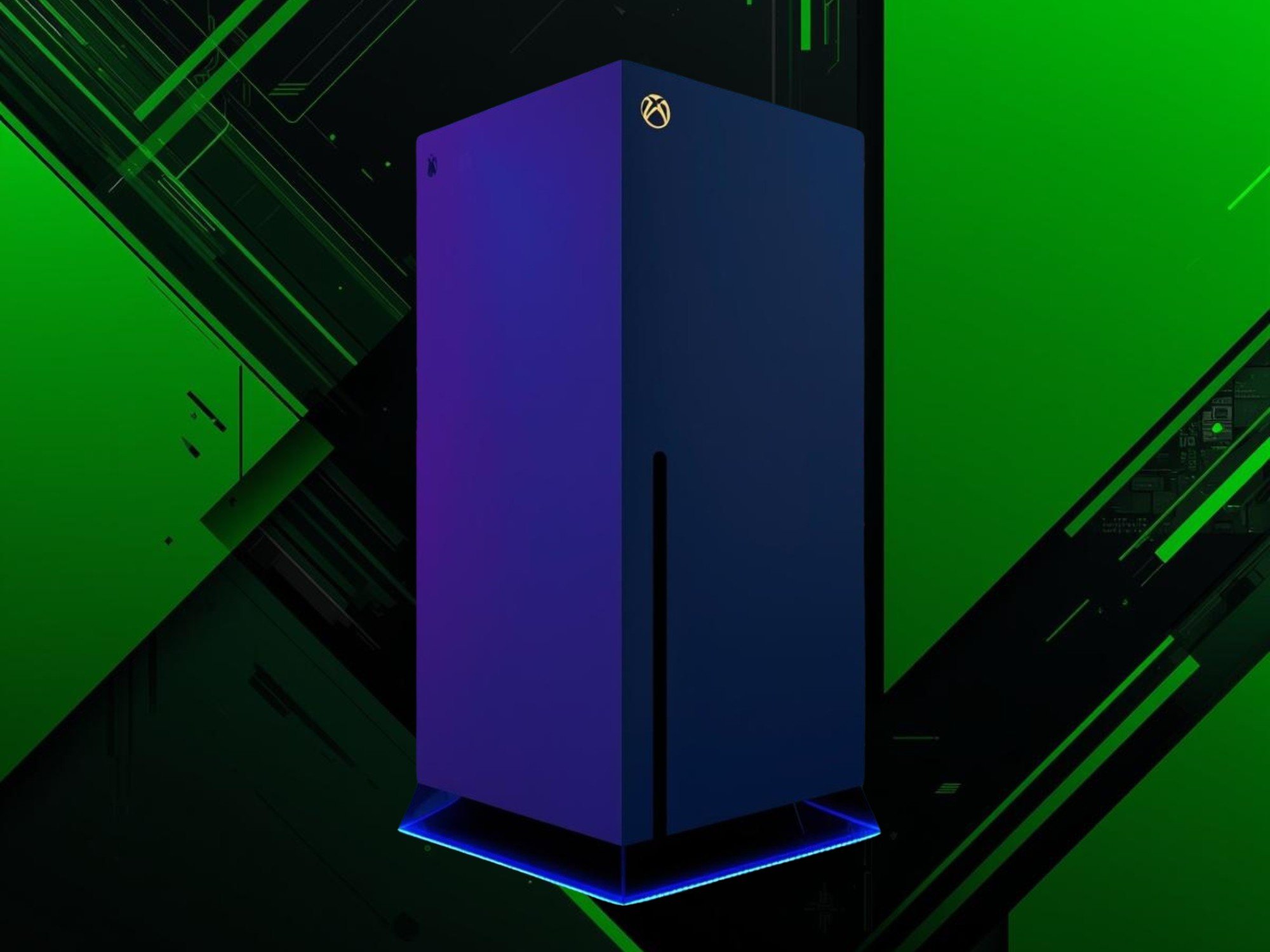
Seamus Blackley, original Xbox creator, expresses skepticism about Microsoft's Project Helix console, finding more excitement in Steam's game focus and Nintendo's innovative hardware approach.
The original Xbox creator doesn't share Microsoft's enthusiasm for Project Helix, instead finding more compelling gaming experiences in Valve's Steam platform and Nintendo's innovative hardware designs.
Why Project Helix Fails to Excite the Gaming Pioneer
During a recent Expansion Pass podcast, Seamus Blackley articulated his reservations about Microsoft's upcoming hybrid console. The veteran game designer expressed confusion about what exactly should excite either developers or gamers about the new platform.
"I don't know as a developer what I'm excited about, and I don't know as a gamer what I'm excited about. I am vastly more excited about Steam than about Helix as a gamer from a content standpoint, or you know what Switch 3 is going to be."
Blackley's skepticism stems from what he perceives as a lack of clear differentiation in the market. While Project Helix promises PC game compatibility—a feature one podcast co-host highlighted as unique—Blackley dismissed this as merely a "hobbyist pitch" that wouldn't attract mainstream gamers without an extensive library of exclusive titles.
Steam's Community Focus Earns High Praise
The Xbox creator reserved special admiration for Valve's approach to gaming. Despite acknowledging that Steam hasn't always succeeded with every venture—pointing to the Steam Machine's struggles and potential challenges for the upcoming mini PC—Blackley emphasized the company's unwavering commitment to gaming excellence.
"Relentlessly focused on cool games" perfectly captures Blackley's assessment of Valve's philosophy. He appreciates how Steam has cultivated a thriving gaming community while taking calculated risks to support projects from small studios, helping them find audiences they might otherwise never reach.
Nintendo's Innovation Sets the Standard
Perhaps most surprisingly, Blackley believes Microsoft could learn valuable lessons from Nintendo's approach to console design. While praising Nintendo's undeniable talent for creating original first-party games, he specifically highlighted the company's willingness to experiment with hardware concepts.
Even consoles that failed to achieve mass market success, like the Wii U, earned Blackley's respect for being "interesting and cool." This willingness to innovate, even at the risk of commercial failure, represents exactly what he feels Project Helix is missing.
The Challenge of Finding a Niche
The core of Blackley's criticism centers on Project Helix's struggle to establish a clear identity. While the hybrid console concept offers versatility, he argues this flexibility might actually confuse consumers rather than attract them.
For a console to succeed in today's competitive market, Blackley believes it needs distinctive features that set it apart from alternatives. More importantly, it requires exclusive games that showcase these unique capabilities. Currently, Microsoft appears more focused on supporting cross-platform software rather than developing platform-exclusive experiences that could make Project Helix truly compelling.
Not All Xbox Veterans Share the Pessimism
Interestingly, Blackley's fellow Xbox creator Ed Fries offers a more optimistic perspective on Project Helix. In a recent interview, Fries noted that the concept of a Windows-based console has been part of Microsoft's gaming vision since the late 1990s, suggesting the company has been working toward this hybrid approach for decades.
This divergence of opinion among the original Xbox team members highlights the uncertainty surrounding Project Helix's potential success. While Blackley sees a console struggling to find its purpose, others view it as the natural evolution of Microsoft's long-term gaming strategy.
As the gaming industry continues to evolve with new hardware concepts and distribution models, the contrasting perspectives on Project Helix reflect broader questions about the future of console gaming. Will hybrid systems that blur the lines between PC and console find their audience, or will focused, innovative approaches from companies like Nintendo and Valve continue to set the standard for what gamers find truly exciting?
Comments
Please log in or register to join the discussion