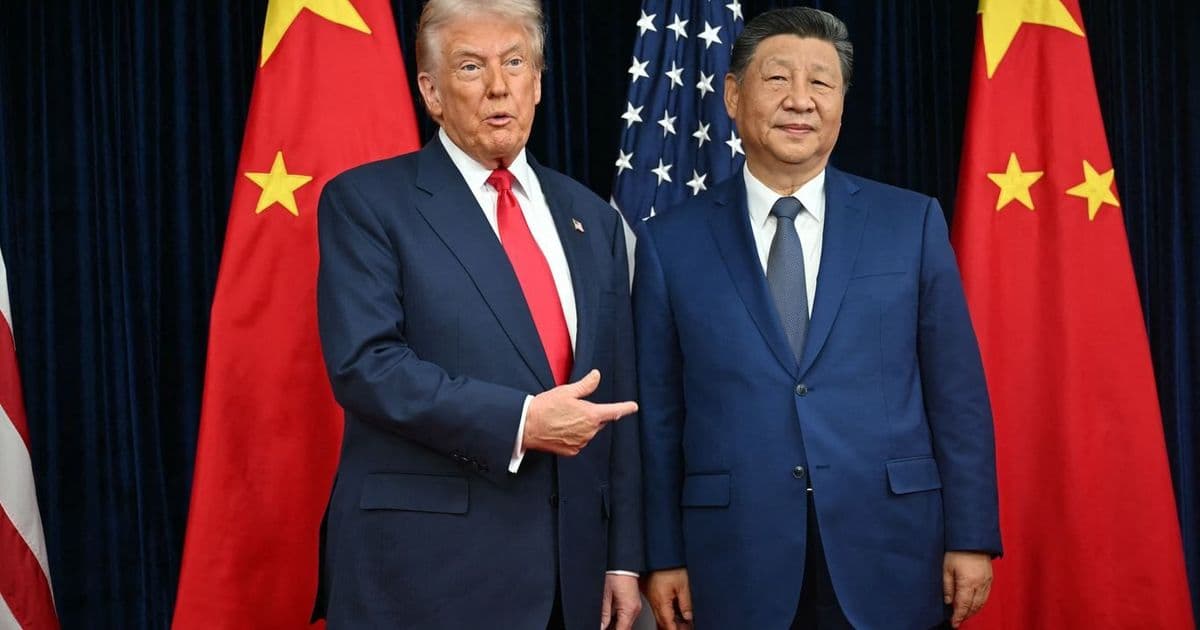
A new poll shows Americans' views of China have improved slightly, with 40% now holding a favorable opinion compared to 34% last year, though tensions remain over trade and security issues.
A new poll shows Americans' views of China have improved slightly, with 40% now holding a favorable opinion compared to 34% last year, though tensions remain over trade and security issues.
According to the latest survey from the Pew Research Center, American attitudes toward China have shown a modest but notable shift. The percentage of Americans who view China favorably has increased from 34% in 2023 to 40% in 2024, marking a 6 percentage point improvement.
This change comes amid ongoing trade tensions, technological competition, and geopolitical challenges between the two nations. Despite the improvement, a majority of Americans (58%) still hold an unfavorable view of China.
The poll reveals interesting demographic patterns in how Americans perceive China:
- Younger Americans (ages 18-29) are significantly more likely to view China favorably (55%) compared to older generations
- College graduates are more positive toward China (48%) than those without college degrees (35%)
- Democrats and Democratic-leaning independents are more likely to have a favorable view (46%) than Republicans and Republican leaners (33%)
Economic factors appear to influence these changing perceptions. As trade relations between the US and China have shown signs of stabilization after years of tariff disputes, some Americans may be responding to reduced economic friction.
Technology competition remains a key area of concern, with 83% of Americans viewing China's technological rise as a threat to US interests. This includes worries about intellectual property theft, cybersecurity risks, and China's dominance in critical supply chains for electronics and rare earth minerals.
The survey also found that Americans are divided on whether economic engagement with China benefits the US economy. While 52% believe that trade with China is beneficial, 46% think it harms American workers and industries.
Regional perspectives vary significantly across the United States. States with strong manufacturing sectors, particularly in the Midwest, tend to have more negative views of China due to concerns about job losses and unfair trade practices. Meanwhile, coastal states with larger technology and finance sectors show more nuanced perspectives, recognizing both the challenges and opportunities presented by China's economic rise.
Despite the slight warming in public opinion, fundamental disagreements persist on key issues. Taiwan remains a flashpoint, with 85% of Americans supporting stronger US ties with Taiwan. Human rights concerns, particularly regarding Xinjiang and Hong Kong, continue to shape negative perceptions among many Americans.
The Biden administration's approach to China has been characterized as one of "strategic competition" rather than outright confrontation. This nuanced stance may be reflected in the poll results, as Americans appear to be distinguishing between specific policy disagreements and broader attitudes toward the Chinese people and culture.
Looking ahead, experts suggest that several factors could influence future trends in American public opinion toward China:
- The outcome of the 2024 US presidential election and any resulting shifts in China policy
- Developments in US-China trade negotiations and tariff policies
- Progress or setbacks in addressing shared global challenges like climate change and pandemic response
- Continued competition in emerging technologies such as artificial intelligence and quantum computing
While the 6 percentage point increase in favorable views represents a meaningful shift, it's important to note that American public opinion toward China remains historically low compared to previous decades. The improvement may reflect a slight recalibration rather than a fundamental change in the US-China relationship.
As both nations navigate complex economic interdependence and strategic rivalry, public opinion will likely continue to play a crucial role in shaping policy decisions and diplomatic approaches. The modest improvement in American views of China suggests that while significant challenges remain, there may be room for more constructive engagement on shared interests.
Comments
Please log in or register to join the discussion