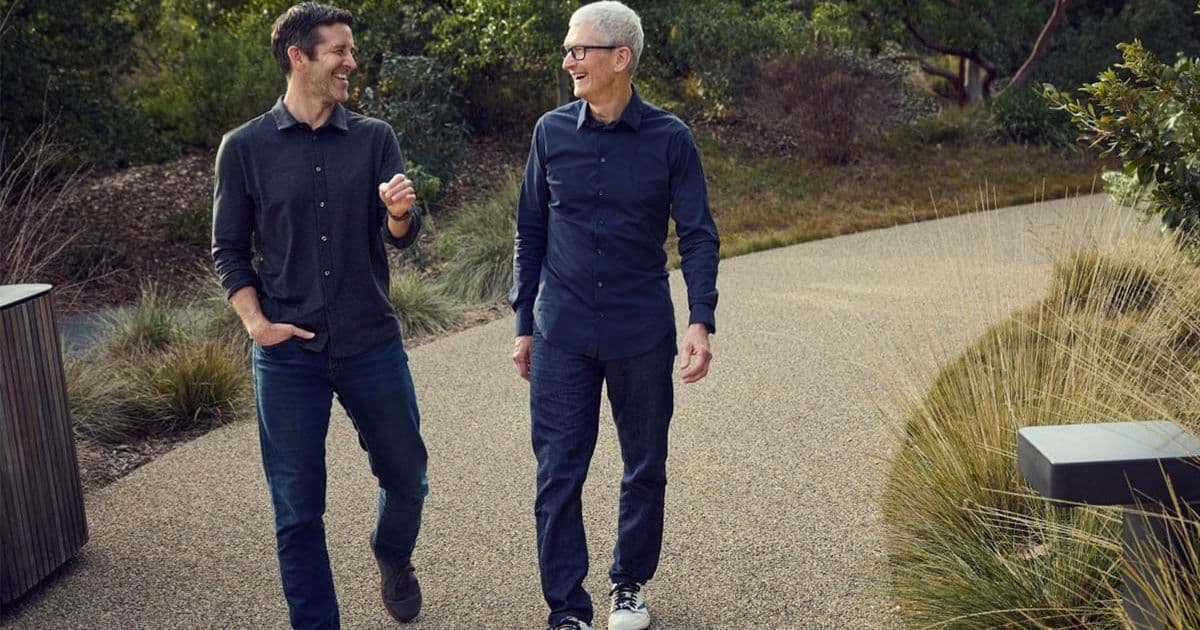
Apple has named John Ternus, a mechanical engineer and hardware veteran, to succeed Tim Cook as CEO later this year, marking a significant leadership transition for the trillion-dollar tech giant.
Apple announced today that John Ternus will succeed Tim Cook as the company's next CEO later this year, marking a significant leadership transition for the trillion-dollar technology giant. While executive moves rarely make headlines in technical circles, Apple's scale and influence make this announcement particularly noteworthy.
The Cook Era: Building a Trillion-Dollar Empire
Tim Cook's tenure as CEO, beginning in August 2011, transformed Apple from a successful consumer electronics company into one of the world's most valuable corporations. During his leadership:
- Market capitalization growth: Apple's market cap expanded from $350 billion to over $4 trillion
- Revenue expansion: Annual revenue nearly quadrupled from $108 billion to $416 billion
- Product innovation: Launched the Apple Watch, AirPods, and Apple Vision Pro
- Silicon transition: Successfully transitioned the entire Mac lineup to Apple Silicon
- Services growth: Built Apple Services into a $100 billion business
- Device ecosystem: Expanded to 2.5 billion active devices worldwide
The transition from Intel to Apple Silicon represents one of Cook's most technically significant achievements, requiring massive coordination across hardware and software teams while maintaining product quality and developer support.
John Ternus: A Technical Leader at the Helm
John Ternus brings a different background to the CEO role compared to his predecessor. As a mechanical engineer by training, Ternus represents a more technically-focused leadership approach. His career at Apple has been deeply rooted in hardware engineering:
- Hardware leadership: Served as Senior Vice President of Hardware Engineering since 2021
- Silicon expertise: Oversaw the development and deployment of Apple Silicon across product lines
- Product development: Led teams responsible for iPhone, iPad, Mac, and Apple Watch hardware
- Engineering culture: Known for his technical depth and collaborative leadership style
The appointment of a mechanical engineer to the CEO position signals Apple's continued emphasis on hardware innovation and technical excellence. This contrasts with Cook's background in operations and supply chain management.
Technical Implications for Apple's Future
Ternus's engineering background suggests several potential directions for Apple:
Hardware-First Innovation: With a CEO who understands the intricacies of hardware development, Apple may accelerate its hardware innovation cycles. This could mean faster iterations of Apple Silicon, new form factors, or breakthroughs in materials science.
AI and Compute Integration: Apple's hardware advantage in AI processing, particularly with Neural Engine integration in Apple Silicon, may receive increased focus. While Apple Intelligence and Siri have faced criticism for lagging behind competitors, Ternus's technical background could drive more aggressive AI hardware development.
Product Development Philosophy: Engineers often favor iterative improvement and technical excellence over pure market-driven decisions. This could influence Apple's approach to product development, potentially favoring technically superior solutions even if they require longer development cycles.
Succession Planning and Corporate Stability
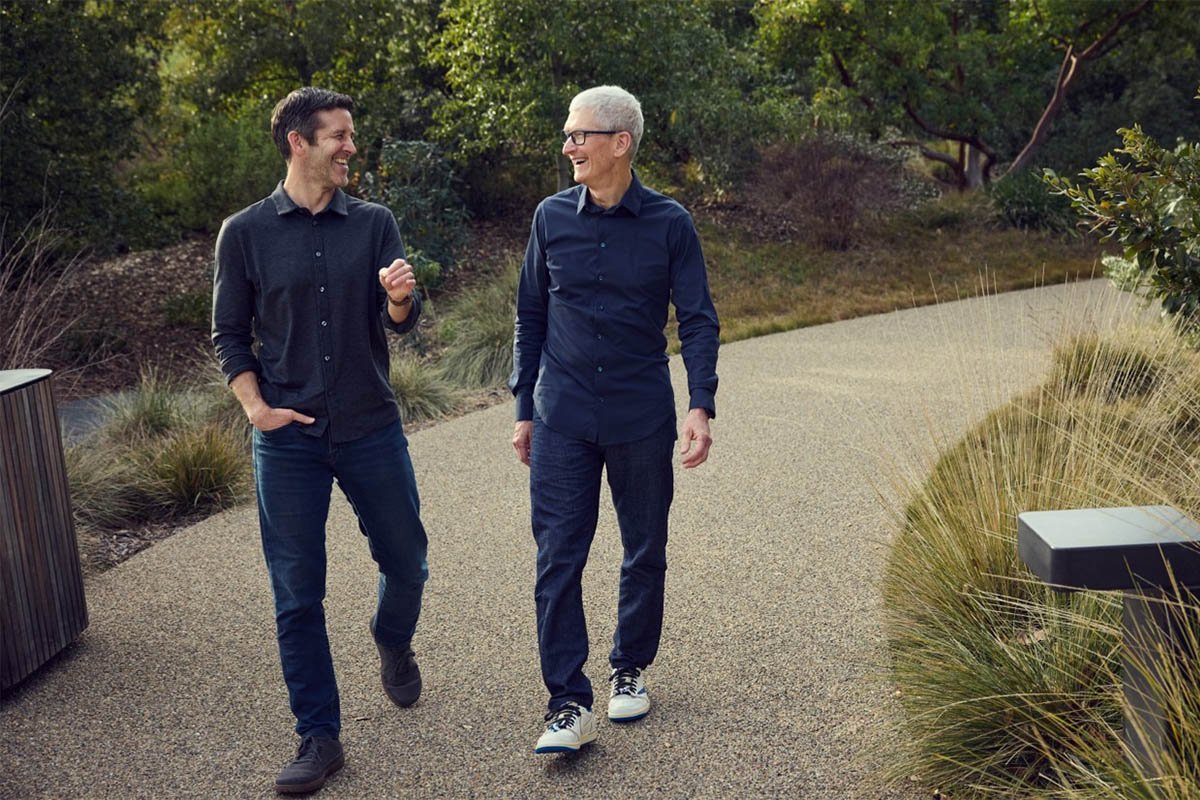
The transition appears to have been carefully planned. Apple staged an official photograph for the announcement, suggesting deliberate messaging and preparation. This contrasts with more abrupt leadership changes seen at other major tech companies.
The company's ability to maintain stability during this transition speaks to its organizational maturity. With 2.5 billion active devices and a complex global supply chain, Apple's operations are too vast for any single leader to micromanage. The company's structure appears designed to function effectively through leadership changes.
Industry Context and Competitive Landscape
Apple's leadership transition comes at a critical time for the technology industry. The company faces:
- AI competition: Rivals like Google, Microsoft, and OpenAI have established stronger positions in generative AI
- Regulatory pressure: Increasing scrutiny from governments worldwide on App Store policies and market dominance
- Supply chain challenges: Ongoing geopolitical tensions affecting manufacturing and component sourcing
- Product category expansion: Need to identify and execute on next-generation product categories beyond iPhone
Ternus's technical background may prove particularly valuable in navigating these challenges, especially in areas requiring deep understanding of hardware-software integration and silicon development.
Looking Forward: The Ternus Era
The transition from Cook to Ternus represents more than just a change in leadership style—it signals a potential shift in how Apple approaches its core challenges. While Cook excelled at operational efficiency and supply chain management, Ternus brings deep technical expertise to the role.
For the engineering community, this transition offers interesting insights into how major technology companies balance technical and business leadership. Apple's choice suggests confidence that technical excellence remains central to its competitive advantage, even as the company faces increasingly complex challenges in AI, regulation, and global markets.
As Apple enters this new era under John Ternus's leadership, the technology industry will be watching closely to see how a more technically-focused CEO shapes the direction of one of the world's most influential technology companies.
Comments
Please log in or register to join the discussion