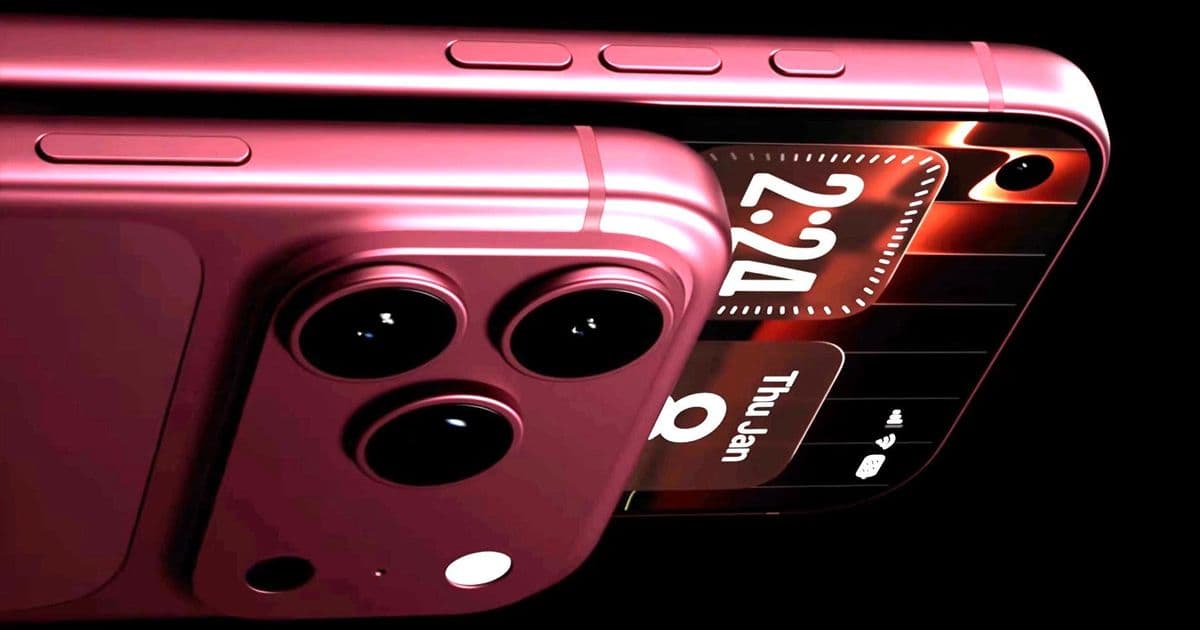
New renders showcase the iPhone 18 Pro's redesigned display with hidden Face ID sensors, smaller Dynamic Island, and potential color options alongside expected hardware upgrades including Apple's first 2nm chip.
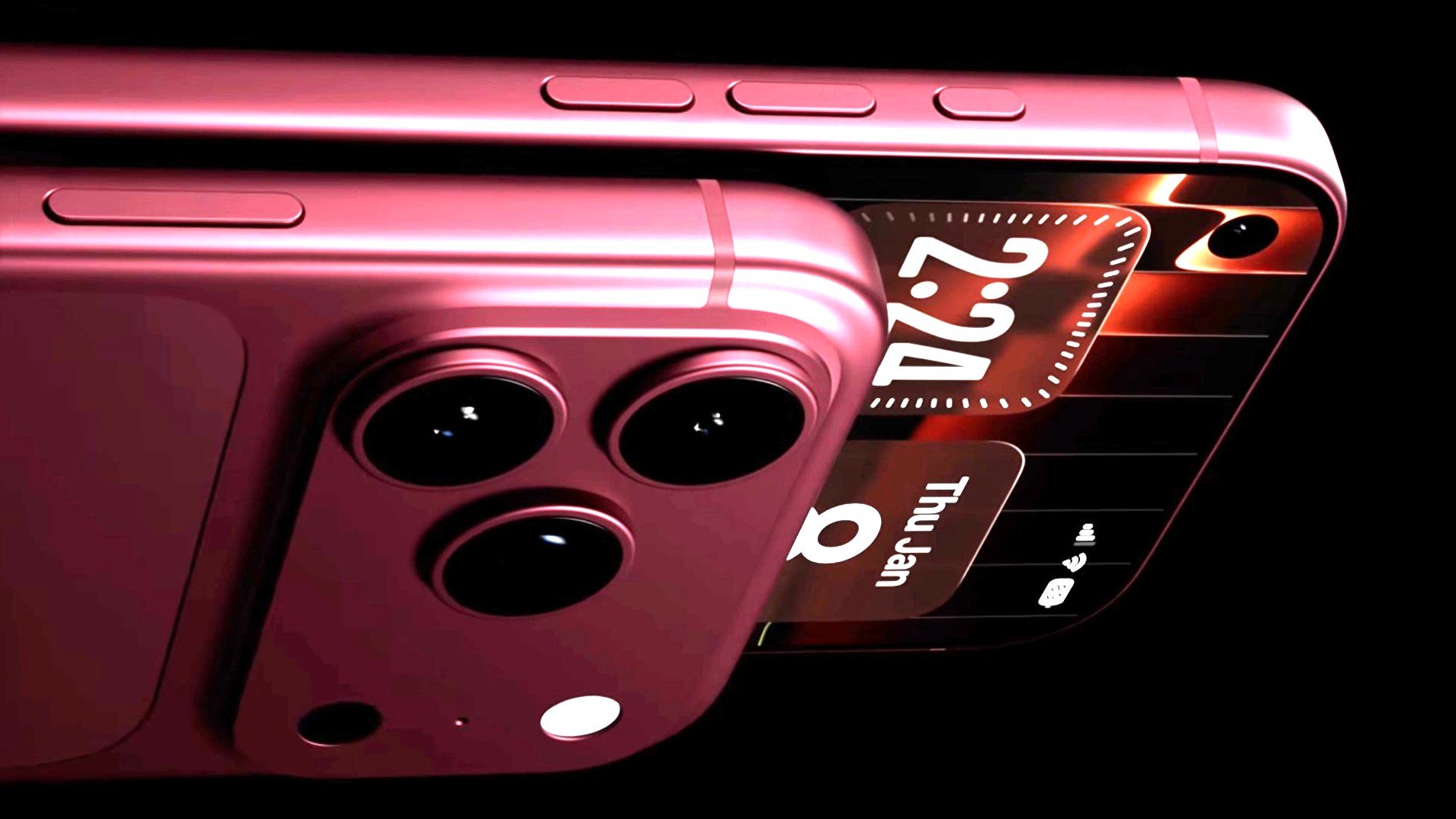
Apple's 2026 flagship strategy appears to be taking definitive shape as detailed renders of the iPhone 18 Pro reveal significant design refinements and potential new color options. According to multiple sources including leakers and supply chain analysts, Apple plans a clear segmentation between its Pro models, the anticipated iPhone Fold, and standard iPhone variants next year.
Display Innovations: Smaller Cutout, Hidden Sensors
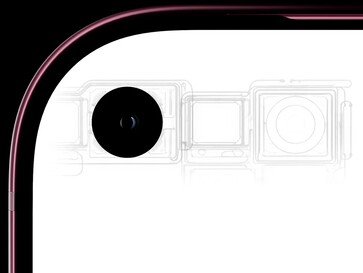
The most noticeable change comes to the display design. While retaining the Dynamic Island concept, Apple engineers have achieved a significantly smaller cutout by relocating Face ID sensors beneath the OLED panel. This implementation, recently confirmed through prototype testing, eliminates the need for the larger notch while maintaining full facial recognition capabilities. The solution resembles punch-hole designs seen in Android devices but differs fundamentally through its concealed sensor array.
Color Options Under Evaluation


Reliable leaker John Prosser indicates Apple is testing three new color finishes for the iPhone 18 Pro series:
- Burgundy Red (matte finish)
- Deep Purple (satin texture)
- Espresso Brown (glossy metallic)
These options would replace current Pro colorways, continuing Apple's trend of annual color refreshes. Final selections remain unconfirmed pending production feasibility testing.
Performance and Connectivity Upgrades

The iPhone 18 Pro models are expected to debut Apple's first 2nm chipset, tentatively named the A20 Bionic. Early projections suggest 15-20% CPU gains and 25-30% GPU improvements over the iPhone 17 Pro's 3nm processor. More significantly, Apple will reportedly introduce its in-house C2 modem, ending the Qualcomm modem partnership that began with the iPhone 12 series.
Analysts also anticipate expanded satellite connectivity beyond emergency SOS. Multiple sources suggest Apple is testing 5G-via-satellite functionality for basic data transmission in remote areas, though implementation details remain unconfirmed.
Camera: Variable Aperture Debut
Photography upgrades may include a first for iPhone: a variable aperture main camera. This would allow manual control over light intake (f-stop adjustments), providing professional creators greater flexibility in challenging lighting conditions. The feature directly addresses a capability gap noted in current iPhone models compared to Samsung's Galaxy S Ultra series.
Market Positioning and Buyer Considerations
The iPhone 18 Pro and Pro Max will likely occupy Apple's premium tier starting around $1,099, positioned above standard models but below the rumored $1,400-$1,600 iPhone Fold. This creates a clear choice hierarchy:
- Pro Models: For users prioritizing processing power, camera innovation, and refined design
- Fold: Early adopters wanting transformative form factors
- Standard Models: Value-focused buyers (available 2027)
Compared to the iPhone 17 Pro series, the 18 Pro offers evolutionary improvements rather than revolutionary changes. The under-display Face ID represents the most significant visible redesign since the Dynamic Island introduction. Performance gains from the 2nm process should provide tangible benefits for AR applications and intensive multitasking.
For Android users considering switching, the iPhone 18 Pro closes key gaps in camera flexibility while maintaining Apple's ecosystem advantages. However, those satisfied with current foldable devices may find the iPhone Fold more compelling when it launches.
Expected release remains September 2026 pending production milestones. Final specifications and pricing will likely solidify by mid-year based on component yields and testing outcomes.
Source: FPT YouTube Channel
Comments
Please log in or register to join the discussion