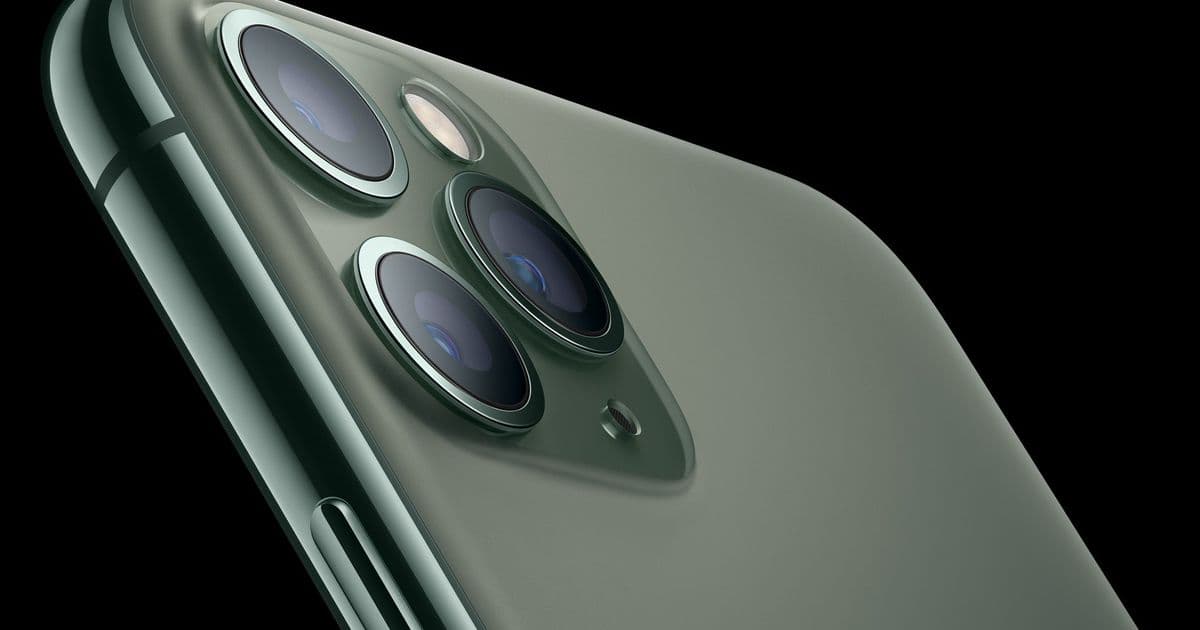
Leaked information suggests iOS 27 will only support iPhone 12 and newer models, leaving iPhone 11, 11 Pro, 11 Pro Max, and iPhone SE (2nd gen) behind.
Apple's upcoming iOS 27 update is expected to arrive later this year with new features, improvements, and system changes. However, a new leak suggests that not all iPhone users will be able to upgrade this time. According to leaker Instant Digital on Weibo, Apple may drop support for four iPhone models with iOS 27.
The leaker shared a list of devices expected to receive the update, but a few older models that currently support iOS 26 were missing. These include the iPhone 11, iPhone 11 Pro, iPhone 11 Pro Max, and iPhone SE (2nd generation). Based on the list shared, iOS 27 will only work on the iPhone 12 series or newer models. For the SE lineup, only the iPhone SE (3rd generation) is expected to be supported.
For users who are not familiar with how this works, dropping support does not mean your phone will suddenly stop working. It simply means the device will no longer receive the latest iOS updates. You will still be able to use your phone, make calls, install apps, and do everything you normally do. However, over time, apps may start requiring newer iOS versions, which means some apps may stop updating or working properly.
On the bright side, Apple usually continues to release security updates for older devices, so you are not left completely unprotected.
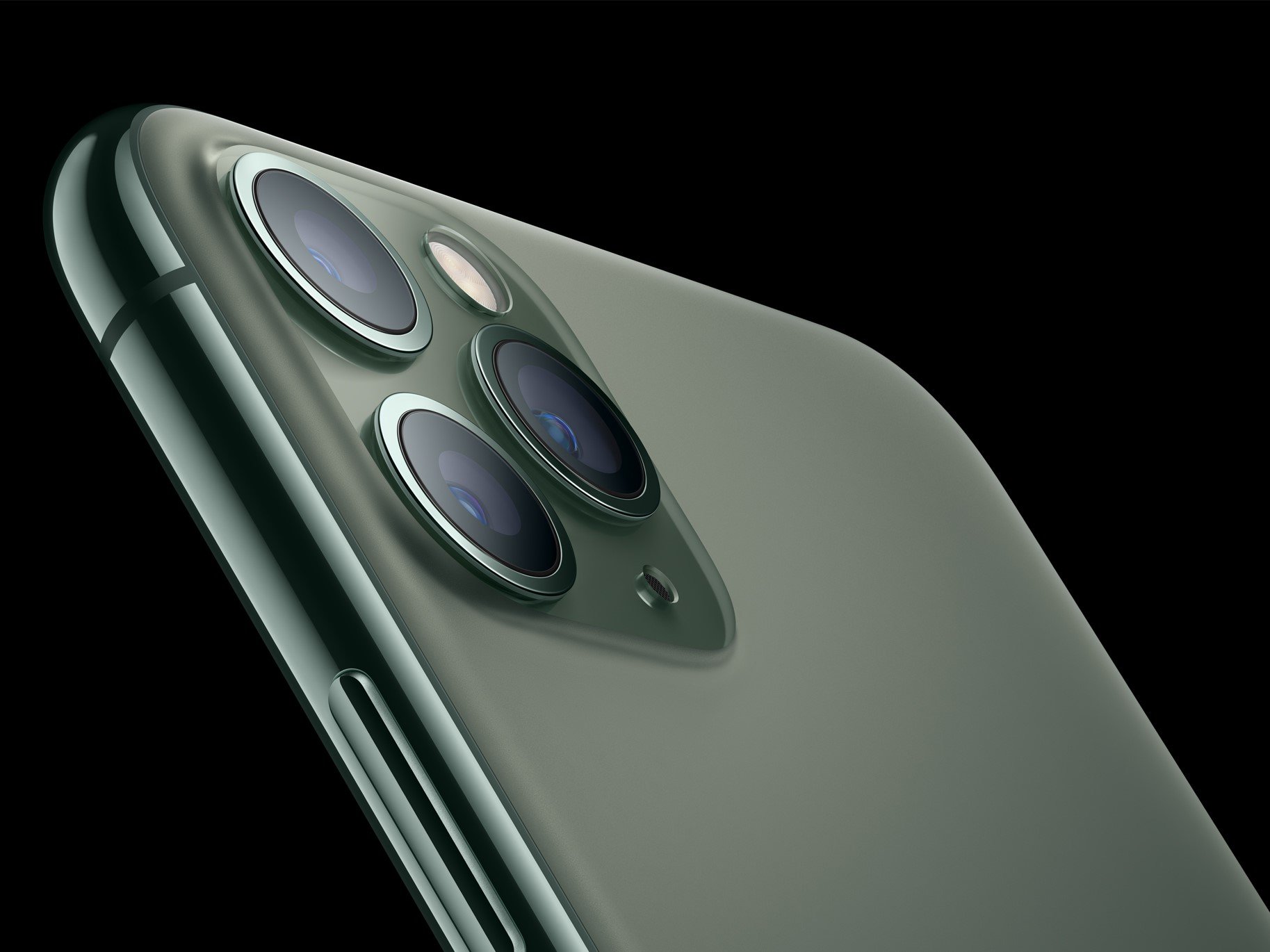
The iPhone 11 series, released in 2019, has enjoyed five years of iOS updates - matching Apple's typical support window. The iPhone SE (2nd generation), which debuted in 2020, will have received four major iOS updates before being cut off. This aligns with Apple's pattern of supporting devices for approximately five to six years, though the SE line has historically received slightly shorter support due to its older hardware architecture.
For users affected by this change, the decision to upgrade will depend on their specific needs. While the iPhone 11 series still offers capable performance for basic tasks, newer iOS versions often include features that leverage more advanced hardware capabilities, particularly in areas like computational photography, augmented reality, and machine learning tasks.
Apple has not officially confirmed these details, and the company typically announces supported devices when iOS updates are formally unveiled at its annual Worldwide Developers Conference (WWDC), usually held in June. Until then, this information remains speculative, though Instant Digital has a track record of accurately leaking Apple-related information in the past.
The move to drop these four models would represent Apple's most aggressive iOS update cutoff in recent years, potentially pushing more users toward newer devices. This strategy helps Apple maintain performance standards and security across its ecosystem while encouraging hardware upgrades in its installed base.
Comments
Please log in or register to join the discussion