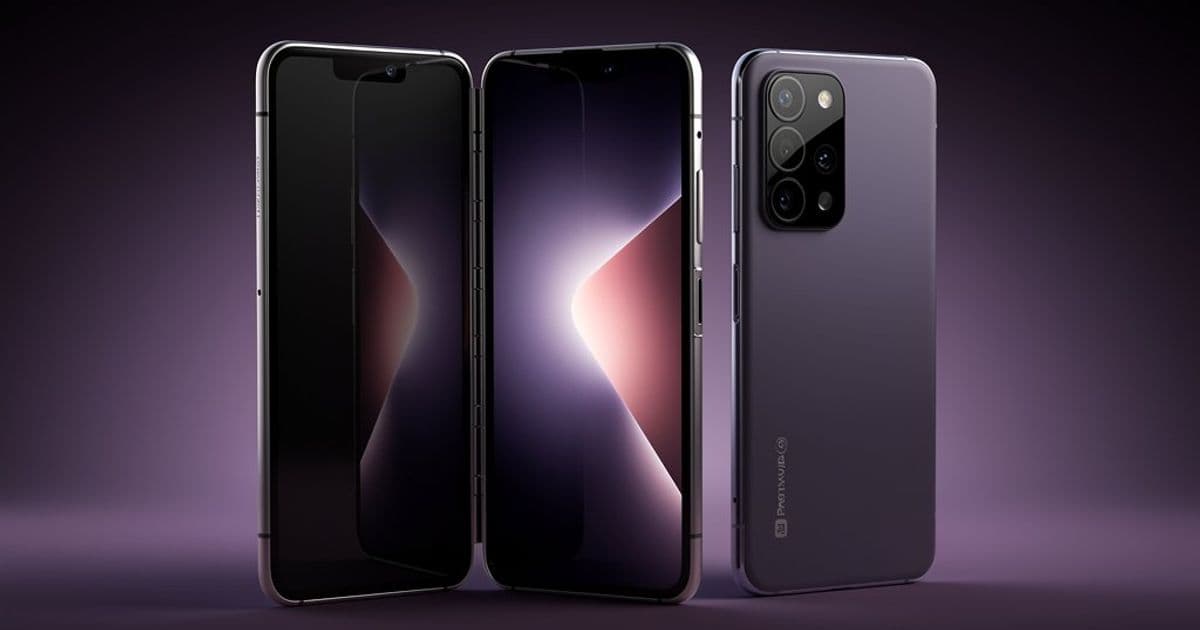
Analyst Jeff Pu outlines specifications for Apple's rumored foldable iPhone and iPhone 18 Pro models, revealing display sizes, chip details, camera upgrades, and biometric innovations.
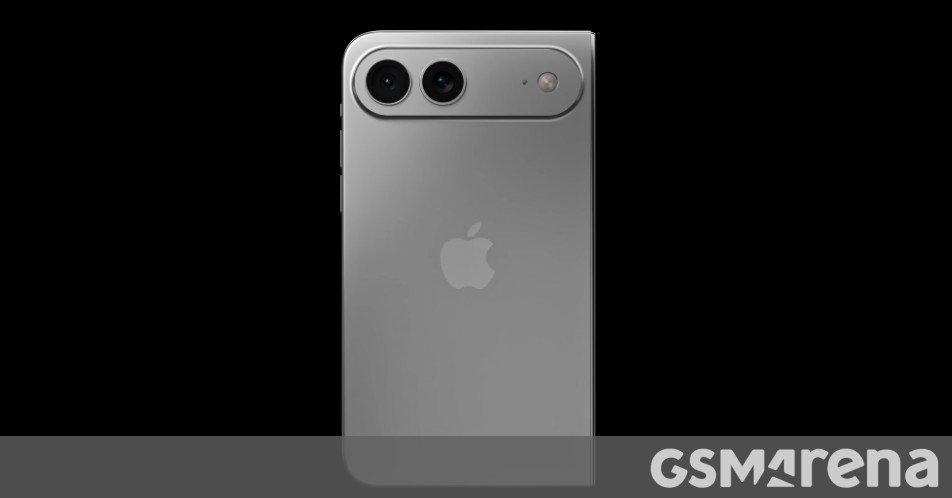
New specifications for Apple's anticipated foldable iPhone and iPhone 18 Pro series have emerged from GF Securities analyst Jeff Pu, providing the clearest picture yet of Apple's 2026 mobile strategy. Both product lines are expected to launch this September, marking significant shifts in Apple's hardware approach.
The foldable iPhone, internally referred to as "iPhone Fold," reportedly features a 7.8-inch primary folding display paired with a 5.3-inch external cover screen. Powering the device is Apple's next-generation A20 Pro chipset, supplemented by the company's proprietary N2 co-processor for specialized tasks. Memory configuration includes 12GB of LPDDR5 RAM, while connectivity relies on Apple's in-house C2 modem. Imaging capabilities comprise dual 48MP rear cameras and 18MP front-facing cameras on both the interior and cover displays. Notably, Touch ID biometric authentication appears alongside Face ID, suggesting integrated security options.
For the iPhone 18 Pro series, Pu indicates both Pro and Pro Max models will share core specifications: the A20 Pro SoC, N2 chip, C2 modem, and 12GB LPDDR5 RAM. Display sizes diverge significantly, with the Pro model at 6.3 inches and Pro Max expanding to 6.9 inches. Camera systems reportedly include a triple 48MP array: a variable aperture main sensor, periscope telephoto lens for enhanced optical zoom, and ultrawide shooter. Front cameras are listed as 18MP, though conflicting reports suggest Apple might upgrade all iPhone 18 models to 24MP selfie sensors. A major biometric shift involves the implementation of under-display Face ID technology.
These specifications highlight Apple's deepening hardware integration strategy. The A20 Pro/N2 chip pairing extends Apple's vertical silicon control, while the C2 modem continues their cellular independence from Qualcomm. The foldable's dual-display configuration and Touch ID integration suggest Apple prioritizes usability alongside form factor innovation. For Pro models, larger displays and advanced camera systems maintain Apple's premium positioning, with under-display Face ID potentially enabling truly borderless designs.
The September launch timeframe positions these devices against Samsung's Galaxy Z Fold/Flip series and Google's Pixel foldables. Apple's entry into the foldable market could significantly accelerate mainstream adoption, while Pro model enhancements demonstrate their response to Android competitors pushing display and camera boundaries. As component suppliers begin production, expect further hardware confirmations in coming months.
Comments
Please log in or register to join the discussion