
As Tim Cook prepares to step down and John Ternus prepares to take the helm, Apple faces a pivotal moment to rediscover its original mission of empowering users rather than controlling them.
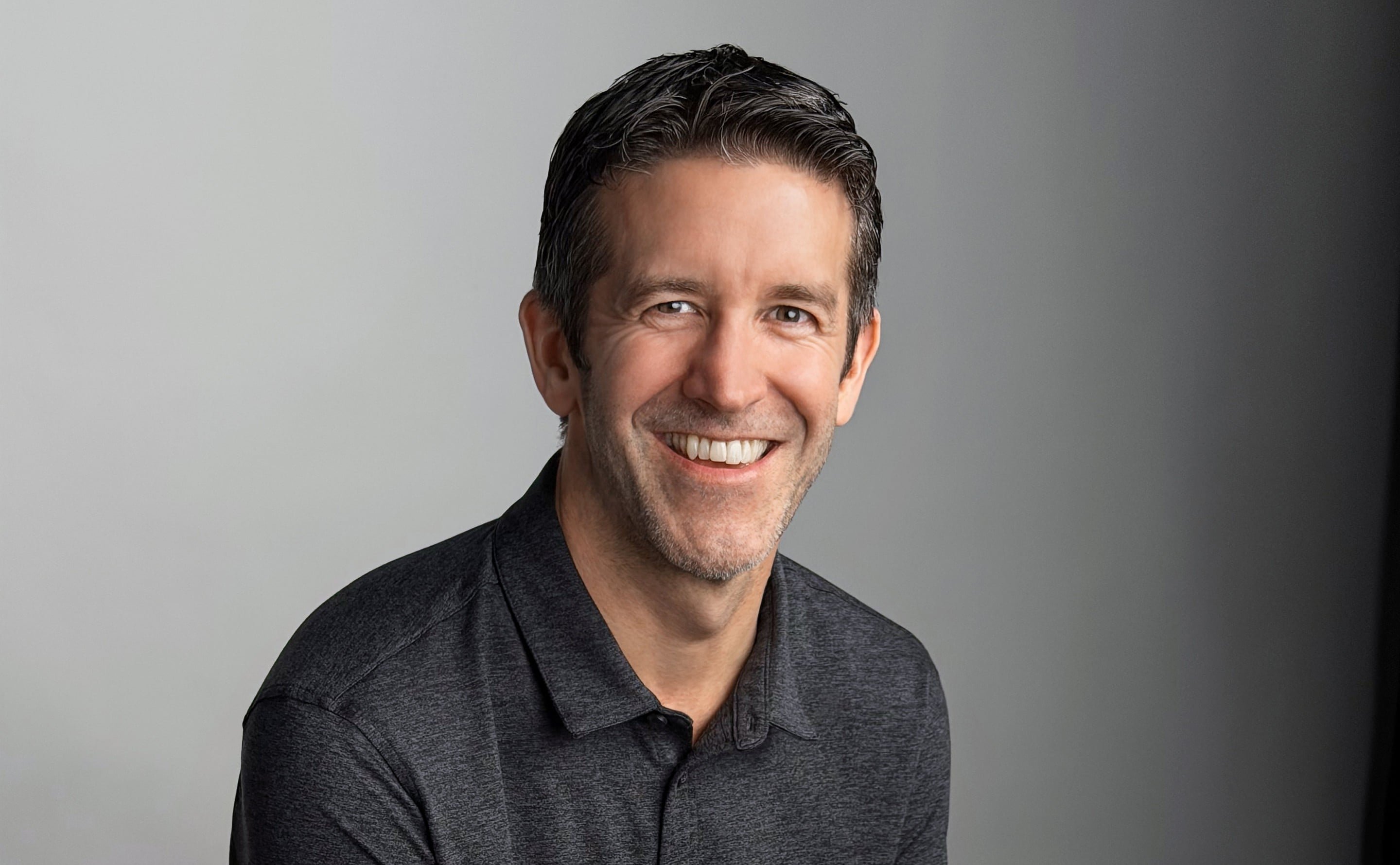
Apple stands at a crossroads as CEO Tim Cook prepares to step aside in September, handing the reins to hardware engineering chief John Ternus. This leadership transition presents a rare opportunity for the tech giant to rediscover its humanity and return to the principles that once made it a beacon of innovation and user empowerment.
For years, Apple has drifted from its original mission. The company that once positioned the personal computer as "a bicycle for the mind" has increasingly become a gatekeeper, controlling every aspect of its ecosystem from hardware to software to services. Under Cook's leadership, Apple's focus on shareholder value has come at the expense of its reputation and the very users who made the company successful.
The hypocrisy of Apple's current position is striking. The company loudly proclaims that "privacy is a human right" while simultaneously cooperating with governments that violate human rights and denying privacy to its own employees. This contradiction stems directly from Apple's decision to position itself as the ultimate gatekeeper of its platform. When you make yourself the gatekeeper, you become the first stop for any adversarial process or authoritarian government.
Apple's control-freak approach has also made it the focus of antitrust litigation around the globe. The company's platform monopoly has been great for profit margins but harmful to competition and innovation. By charging developers up to 30 percent of app sales for what amounts to a 12-minute security review, Apple has created a system that benefits the company at the expense of developers and users alike.
Now, as Apple embraces advertising through features like ads on Maps, the company is moving further away from its user-centric roots. Did Apple customers ask for ads in their mapping application? Unlikely. This move represents yet another example of the company prioritizing profit over user experience.
The tech industry as a whole has fallen into what some call "enshittification" – a process where companies gradually degrade their products and services in pursuit of ever-greater profits. Social media giants like Meta have embraced "slopaganda" while trying to evade liability for the mental health and public discourse effects of their platforms. Microsoft and Google have been shoving AI services down people's throats, alienating customers by neglecting the products that people actually care about.
But Apple's leadership transition offers a chance to break this pattern. John Ternus inherits a company at a turning point. Google's dominance of web search is fragile, and rivals are poised to reinvent how online content discovery and distribution work in an era of agent-based automation. Apple has bided its time, but it cannot sit on the sidelines forever if it wants to remain relevant.
Making its products easier to repair and extend would be a good start. Ternus already faces regulatory pressure in that direction – in 2027, the EU will require removable batteries in electronic appliances. Apple hardware would be so much better if it encouraged modification, repair, and recycling rather than planned obsolescence.
Apple's services strategy has been successful but extractive. Ternus has the opportunity to do the right thing and treat mobile devices like actual computers. He could allow people to install software from outside the App Store – something they can already do on macOS and other platforms. Apple does not guarantee security for App Store apps, and in the absence of that, it offers nothing but convenience and toll taking.
Imagine how much better Apple's services might be if it faced competition from rival app stores and payment processors. Imagine how market opportunities might expand if Apple focused on federation rather than empire. The company could become a platform that empowers users and developers rather than one that extracts value from them.
Apple's AI strategy has been clumsy, but the company's hardware turns out to be quite good at local inference, particularly with the help of its MLX framework. The past few months of escalating AI service limitations, particularly from Anthropic, GitHub, and OpenAI, and of increasingly capable local models like Google's Gemma 4, suggest that it won't be long before local AI presents a viable alternative to cloud-based models for many tasks.
Apple ought to strive to make local AI useful as soon as the technology allows it. With Private Cloud Compute, Apple could even become a leading provider of cloud-based AI, perhaps even on other platforms. It could buy a seat at the table by purchasing Mistral, or perhaps even a larger AI biz facing a cash crunch.
Not much needs to change, and in some ways Apple is already moving in the right direction. For at least the past decade, Apple omitted the names of public relations contacts from its press releases. That was during the height of Apple secrecy and imperiousness. Then around 2025, PR contact email addresses started to appear on select press releases. That shows there's room for two-way communication, as opposed to dictums and declarations.
Apple could do more to put its people out front, particularly as AI becomes more important. Its engineers and product designers could engage with people on social media and at conferences. It could publish more research work and blog posts about product features. It could engage with the world, participate in public discourse, and focus on technology that helps people.
No one wants more ads or more technical barriers. As AI proliferates, Apple should focus on humanity. The company has an opportunity to rediscover what made it great in the first place: a commitment to empowering users through technology rather than controlling them through it. The question is whether John Ternus will seize this opportunity or continue down the path of profit maximization at the expense of everything else.
Comments
Please log in or register to join the discussion