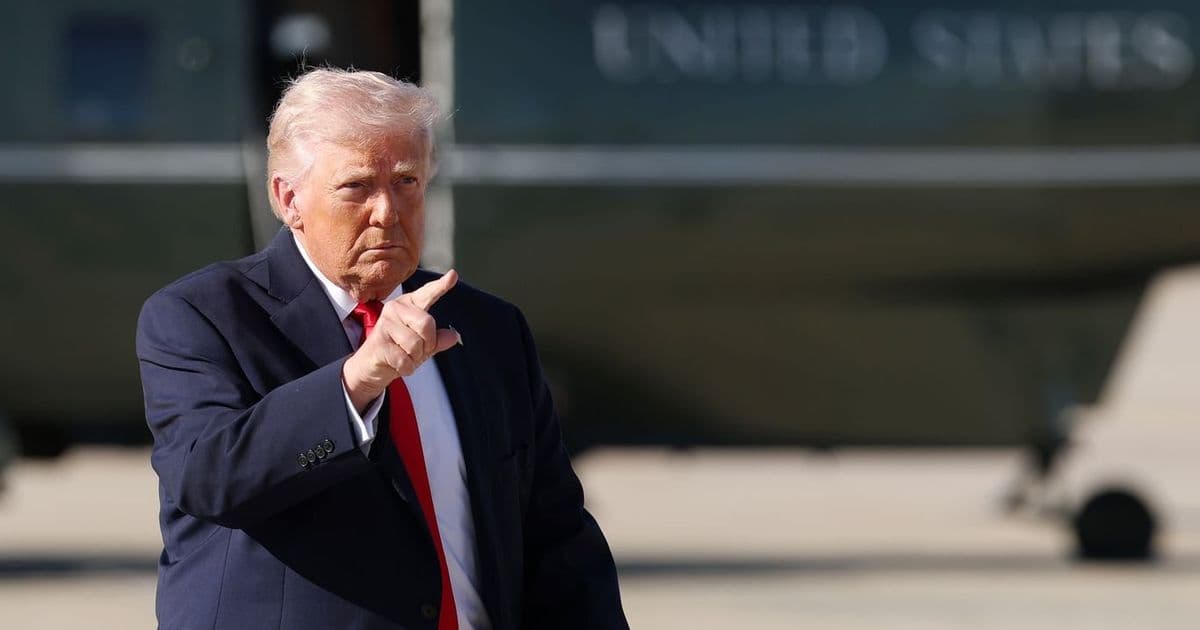
President Trump is weighing an extension of Jones Act waivers to allow foreign-flagged tankers to transport oil between U.S. ports, potentially easing supply chain constraints amid escalating tensions with Iran.
President Trump is considering extending waivers to the Jones Act, a century-old maritime law that restricts foreign vessels from transporting goods between U.S. ports, in an effort to mitigate potential oil supply disruptions stemming from escalating tensions with Iran.
The Jones Act and Its Impact on Oil Transportation
The Merchant Marine Act of 1920, commonly known as the Jones Act, requires that all goods transported by water between U.S. ports be carried on ships that are built, owned, and operated by American citizens or permanent residents. This protectionist measure has long been a point of contention in the energy sector, particularly when domestic supply chains face unexpected constraints.
In recent years, the U.S. has become a major oil exporter following the shale revolution, with Gulf Coast refineries processing imported crude while domestic production booms in regions like the Permian Basin. The Jones Act creates a significant bottleneck for moving oil between these regions, as the American-flagged tanker fleet is limited and often insufficient to meet demand during supply disruptions.
Historical Context of Jones Act Waivers
Waivers to the Jones Act have been granted sparingly, typically during natural disasters or other emergencies that create acute supply shortages. The Trump administration previously issued temporary waivers following hurricanes Harvey and Irma in 2017, which damaged Gulf Coast refineries and created logistical challenges for oil distribution.
Energy industry analysts estimate that foreign-flagged tankers can transport oil at approximately 40-50% lower cost than their American counterparts, primarily due to lower labor costs and more competitive global shipbuilding markets. This cost differential becomes particularly significant when rapid mobilization of transportation capacity is required.
Iran Tensions and Oil Market Volatility
The potential extension comes amid heightened geopolitical tensions following the U.S. killing of Iranian General Qasem Soleimani in January 2020 and subsequent Iranian retaliatory strikes. These events triggered immediate spikes in oil prices, with Brent crude jumping nearly 4% in a single day.
Iran, as the fourth-largest OPEC producer, controls critical shipping lanes including the Strait of Hormuz, through which approximately 20% of global oil supplies pass. Any significant disruption to Iranian oil exports or shipping routes through this chokepoint could send shockwaves through global energy markets.
Economic Implications
Energy analysts project that a Jones Act waiver could increase U.S. oil transportation capacity by 15-20% during the waiver period, potentially preventing regional price spikes that historically follow supply disruptions. The Northeast and East Coast, which rely heavily on Gulf Coast refineries, would be particularly vulnerable to price increases without additional transportation capacity.
The American Maritime Partnership, which represents U.S.-flag vessel operators, has historically opposed Jones Act waivers, arguing they undermine American shipbuilding and maritime jobs. However, the group has remained notably silent on the current discussions, possibly recognizing the exceptional circumstances posed by potential military conflict.
Industry Response
Major oil companies have been lobbying for more flexible maritime regulations for years, citing the growing mismatch between U.S. energy production patterns and transportation infrastructure. The Permian Basin's oil boom has created a situation where Texas and New Mexico produce more oil than local refineries can process, while East Coast refineries import foreign crude due to transportation constraints.
"The Jones Act creates artificial scarcity in domestic oil transportation," said an industry analyst who requested anonymity due to the sensitive nature of the discussions. "In a crisis situation, having the flexibility to use the most efficient vessels available could prevent regional shortages and price spikes that hurt American consumers."
Timeline and Implementation
While no formal announcement has been made, administration officials indicate that any waiver extension would likely be temporary, possibly lasting 6-12 months with provisions for renewal based on ongoing geopolitical developments. The waiver would need to specify which routes and types of cargo would be exempt from Jones Act requirements.
The Department of Homeland Security, which has authority to grant Jones Act waivers during national emergencies, is reportedly coordinating with the Departments of Energy and Defense to assess the potential impact on both energy security and military logistics.
The decision comes as the Trump administration continues to pursue an "energy dominance" agenda while simultaneously maintaining a hardline stance on Iran. Balancing these competing priorities may require creative policy solutions like Jones Act waivers to ensure domestic energy security without compromising strategic objectives in the Middle East.
Comments
Please log in or register to join the discussion