Apple's highly anticipated MacBook Pro redesign with OLED display and touch screen is facing delays due to industry-wide memory shortages, pushing the launch to early 2027.
A lot of us are impatiently awaiting the next-generation of MacBook Pro, which is expected to feature a bevy of updates including a new OLED display with Dynamic Island cutout, a touch screen a la iPad and iPhone, and the more powerful M6 Pro and M6 Max chip. Bloomberg's Mark Gurman is today reporting in his newsletter that Apple is facing some production issues due to the industry-wide memory shortages.
Supply constraints mean that the MacBook Pro launch is slightly delayed, and possibly won't arrive until early next year. Previously, Gurman had said that Apple was scheduling a late 2026 – early 2027 launch for the new MacBook Pro, with many expecting an announcement around October or November. However, he now believes Apple is more likely looking at the latter part of that timeframe, primarily due to the industry shortages for components like RAM and SSD storage.
The forthcoming update to the Mac Studio has also been pushed back for the same reasons. Gurman says the software accommodations for the brand new touch screen MacBook Pro will be ready for the fall, as part of macOS 27, so it is not a software-development related holdup. Gurman previously reported that the touch screen interface will include new contextual menu controls, dynamically enlarged buttons in the system menu bar and more.
It remains to be seen exactly how this model of MacBook Pro will be positioned in the lineup. With so many major upgrades coming at once, it is possible that Apple brands this OLED MacBook Pro as a new high-end variant, along with a higher-price point. The current M5 MacBook Pros would then continue to be sold at the existing prices. This strategy would also help smooth out demand for the seemingly-constrained supply.
The Supply Chain Challenge
The delay highlights the ongoing challenges facing the tech industry as it navigates persistent supply chain disruptions. Memory components, particularly RAM and SSD storage, have been in short supply globally, affecting manufacturers across the board. For Apple, a company that typically maintains tight control over its supply chain, even minor disruptions can have cascading effects on product timelines.
This isn't the first time Apple has faced such delays. The company has historically been adept at managing component shortages, often by securing long-term contracts with suppliers or redesigning products to use alternative components. However, the scale of upgrades planned for this MacBook Pro—including the transition to OLED displays and the addition of touch screen functionality—means Apple is pushing the boundaries of what's currently available in the supply chain.
What Makes This MacBook Pro Special
The next-generation MacBook Pro represents one of Apple's most ambitious laptop redesigns in years. The combination of an OLED display with a Dynamic Island cutout would bring iPhone-like features to the Mac lineup for the first time. OLED technology offers superior contrast ratios, deeper blacks, and more vibrant colors compared to traditional LCD displays, making it particularly appealing for creative professionals who rely on accurate color reproduction.
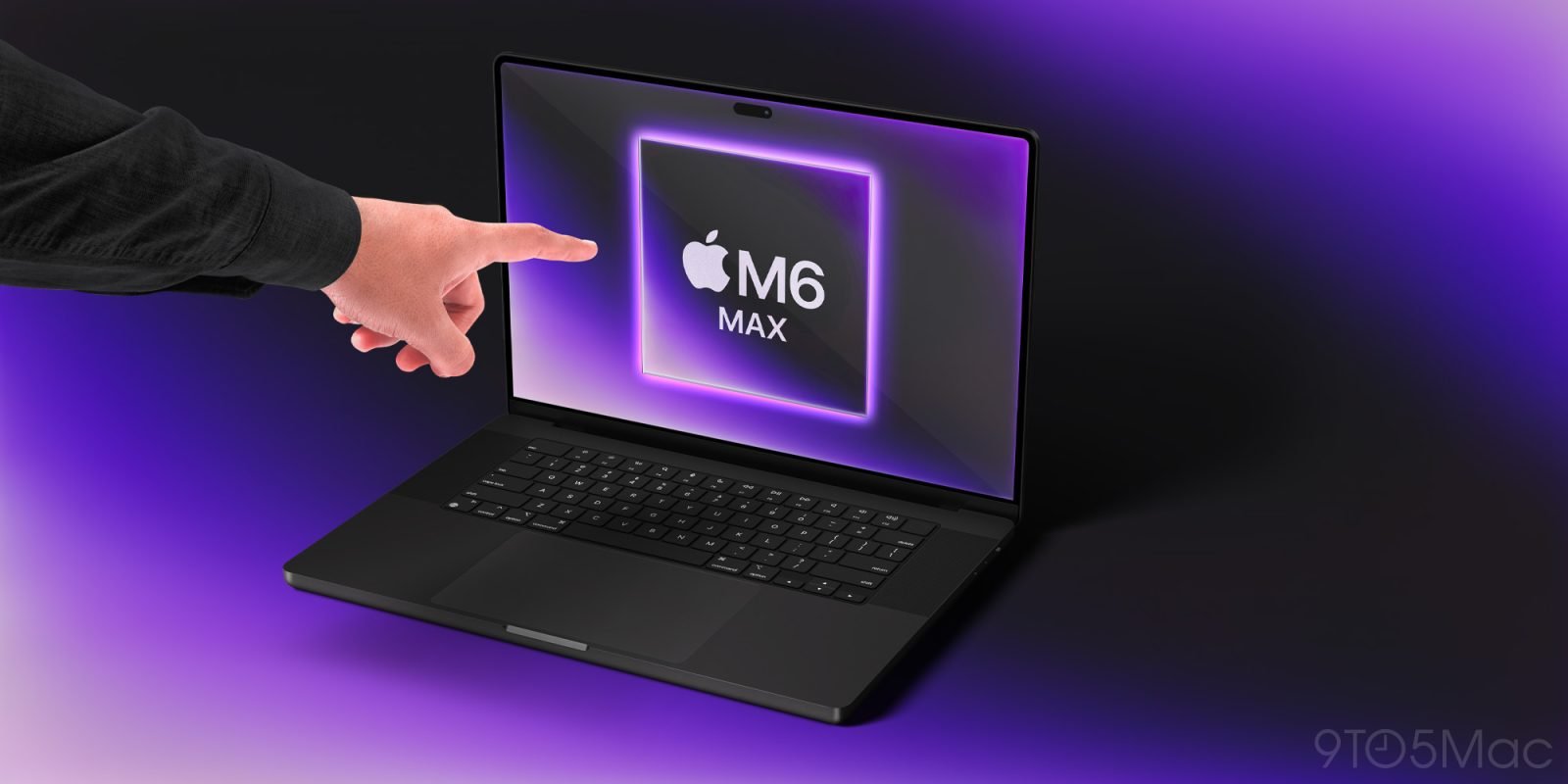
The addition of touch screen functionality marks a significant departure from Apple's traditional laptop design philosophy. While Apple has long resisted adding touch screens to MacBooks, arguing that the iPad serves that purpose in their ecosystem, the company appears to be changing course. This shift likely reflects both user demand and the increasing convergence of mobile and desktop computing experiences.
The M6 Pro and M6 Max chips promise substantial performance improvements over their predecessors. Apple's custom silicon has consistently delivered industry-leading performance and efficiency, and the M6 series is expected to continue this trend with enhanced AI capabilities, improved graphics performance, and better power efficiency.
Market Positioning and Pricing Strategy
The potential introduction of a high-end variant alongside the existing M5 MacBook Pros suggests Apple is taking a tiered approach to this product launch. This strategy makes sense given the supply constraints—by offering both the new premium model and continuing to sell the current generation at existing price points, Apple can capture different market segments while managing demand for the constrained new model.
Industry analysts speculate that the OLED touch screen MacBook Pro could command a significant price premium, potentially starting at $2,500 or higher. This would position it above the current 16-inch MacBook Pro, which starts at $2,499, and create a clear distinction between the premium and standard models.
Software Readiness
One positive aspect of the delay is that Apple's software team appears to be on track. The touch screen interface accommodations will be ready as part of macOS 27 this fall, meaning the hardware and software will be well-aligned when the new MacBook Pro eventually launches. This coordination between hardware and software development has long been one of Apple's strengths, and it's encouraging to see that the delay is purely supply-driven rather than stemming from software development challenges.
Gurman's previous reporting about the touch screen interface suggests Apple is taking a thoughtful approach to integrating touch into the Mac experience. Rather than simply making the entire screen touch-enabled, Apple appears to be focusing on specific use cases and interactions that make sense in a laptop form factor. This might include enhanced touch targets for precision tasks, gesture-based navigation, and integration with the trackpad and keyboard for a hybrid input experience.
Looking Ahead
While the delay is disappointing for those eagerly anticipating Apple's next MacBook Pro, it's important to remember that product development timelines often shift, especially for products with as many new technologies as this one. The supply chain issues affecting Apple are industry-wide, and many tech companies are facing similar challenges.
The delay also gives Apple more time to refine the product and ensure that when it does launch, it meets the high standards the company is known for. Given the significance of the changes—OLED display, touch screen functionality, and new silicon—it's better for Apple to take the time needed to get everything right rather than rushing to meet an arbitrary deadline.
For now, prospective buyers will need to be patient. The combination of OLED display technology, touch screen functionality, and Apple's latest silicon promises to make this one of the most significant MacBook Pro updates in recent memory. When it does arrive, likely in early 2027, it could well redefine what users expect from a premium laptop experience.
Comments
Please log in or register to join the discussion