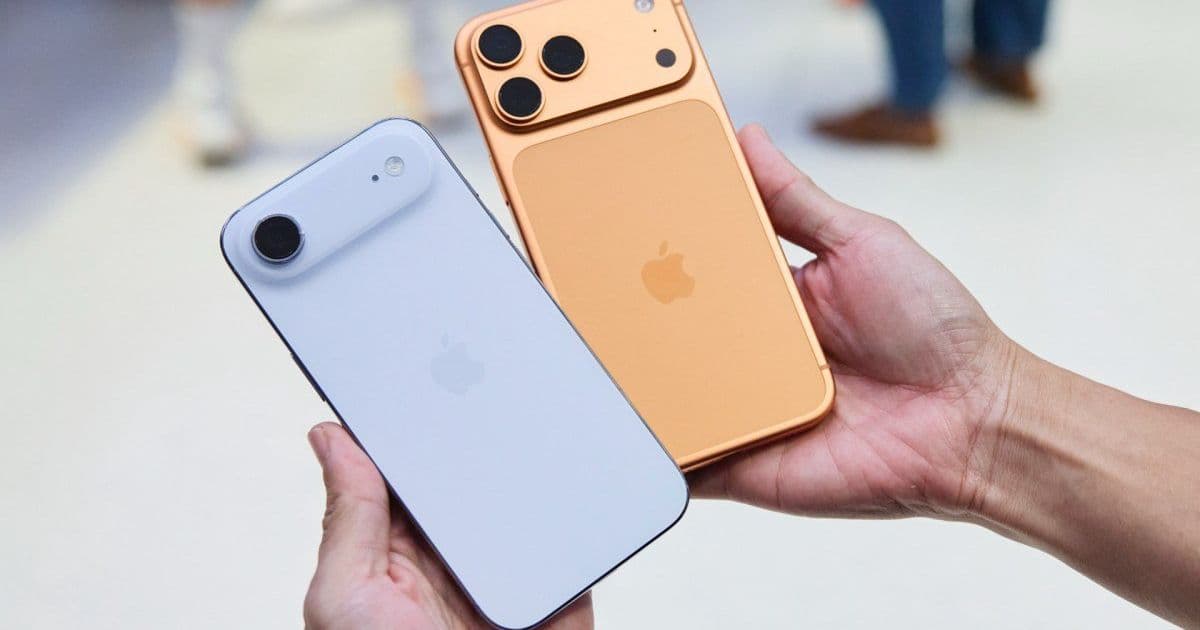
While India's smartphone market stagnated in 2025, Apple carved out a record 9% share, shipping 14 million iPhones. This growth, however, exists within a broader market shift where premium buyers are consolidating and budget competition intensifies, raising questions about the sustainability of Apple's gains.
The latest smartphone shipment data for India paints a picture of a market in stasis, with overall volumes flat year-over-year at approximately 153 million units. Yet, within this stagnant pool, one brand is swimming against the current with notable force: Apple. According to market intelligence firm Counterpoint Research, the iPhone maker shipped about 14 million units in 2025, securing a record 9% share of the Indian market—a significant jump from 7% in 2024.
This growth is not happening in a vacuum. It coincides with a period of intense scrutiny and transformation for the Indian smartphone landscape. The market's overall flatness is a story of its own, signaling a potential saturation point after years of explosive growth. The era of easy expansion through first-time smartphone buyers is largely over; the battle has shifted to the existing user base, where upgrade cycles are lengthening and consumer spending is becoming more cautious.
Apple's success in this environment is multifaceted. The company has been aggressively expanding its retail footprint in the country, with flagship stores opening in major metropolitan centers like Mumbai and Delhi. This direct presence not only boosts sales but also enhances brand perception, moving Apple from a luxury import to a tangible, accessible option for the aspirational middle class. Furthermore, the company's strategy of assembling more iPhones in India through partners like Foxconn and Wistron has helped mitigate import duties, making its devices more price-competitive. The locally assembled models, particularly the standard iPhone 15 and 16 series, have been key to this price accessibility.
However, Apple's gains are concentrated at the premium end of the market. The 9% share, while a record, still leaves it a distant fourth behind giants like Samsung, Xiaomi, and Vivo, which dominate the volume-driven mid-range and budget segments. This highlights a critical divergence in the Indian market: the premium segment (phones priced above ₹40,000, or roughly $480) is growing, while the mass-market segment is contracting or growing at a much slower pace. Apple is effectively winning a smaller, more lucrative war, while ceding the broader battlefield to Android competitors.
This dynamic is evident in the strategies of its rivals. Samsung, for instance, has doubled down on its Galaxy S and Z series to compete directly with Apple in the premium space, while simultaneously maintaining a vast portfolio of budget and mid-range devices. Chinese brands like Xiaomi and Realme, once the undisputed kings of the budget segment, are now facing headwinds from both market saturation and increased scrutiny over their data practices and supply chains. Their growth has slowed, creating an opening for Apple to capture a greater share of the premium upgrade market.
Yet, there are counter-arguments to the narrative of Apple's unstoppable rise in India. The primary constraint remains price. Even with local assembly, iPhones are prohibitively expensive for the vast majority of Indian consumers. The average selling price (ASP) of an iPhone in India is several times that of an Android device. This limits Apple's total addressable market to a relatively small, albeit growing, segment of the population. Economic uncertainties and inflation could further dampen discretionary spending on premium devices.
Moreover, the Indian government's "Make in India" initiative, while beneficial for Apple's local assembly, also applies pressure on all manufacturers to increase domestic production. This policy has helped local brands like Lava and Micromax to re-emerge with competitive offerings, potentially adding pressure in the mid-tier. The government's focus on data sovereignty and security could also become a future hurdle for any foreign brand, including Apple, if regulations become more stringent.
The competitive landscape is also evolving with the rise of foldable phones. Samsung has a significant head start in this category in India, with its Galaxy Z Fold and Flip series. While Apple has yet to enter this segment, its potential entry could reshape the premium market. However, the current data shows that foldables remain a niche within a niche, and their impact on overall shipment numbers is still minimal.
Apple's 9% share is a testament to its brand strength and strategic execution in a challenging market. It demonstrates that a premium brand can find significant growth even in a saturated environment by focusing on the right segments and investing in local presence. However, the flat overall market is a warning sign. The next phase of growth in India will not come from simply selling more phones to new users, but from convincing existing users to upgrade more frequently and spend more on devices. Apple is well-positioned to capture a disproportionate share of that premium upgrade spend, but its long-term success will depend on its ability to make its ecosystem more accessible and relevant to a wider range of Indian consumers, perhaps through more affordable products or services tailored to the local market. The record share is a milestone, but the path to 15% or 20% is far steeper and requires navigating a complex and increasingly competitive landscape.
Comments
Please log in or register to join the discussion