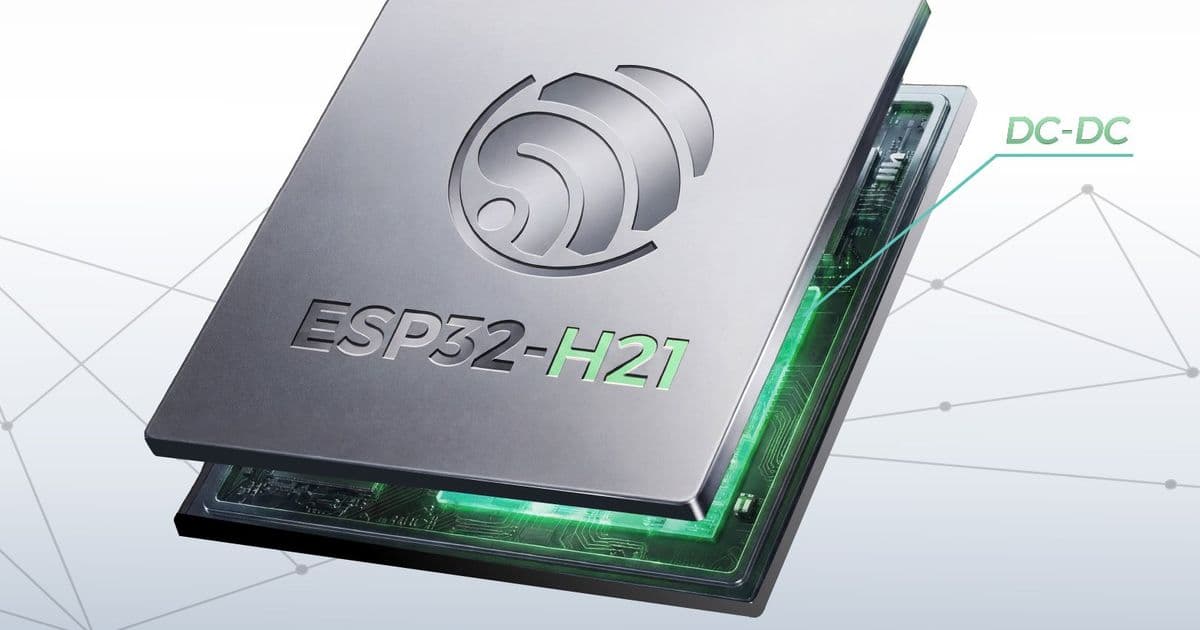
Espressif's ESP32-H21 brings integrated DC-DC conversion to the ESP32-H2 platform, cutting active current to 8.2 mA and sleep current to 5 µA for longer battery life in Thread, Matter, ZigBee, and Bluetooth LE devices.
Espressif has unveiled the ESP32-H21, a refined version of its ESP32-H2 wireless SoC designed specifically for ultra-low-power IoT applications. The company describes it as "an incremental update" to the existing H2 platform, but the addition of an integrated DC-DC converter makes it a compelling upgrade for battery-powered devices that need to run continuously.
What's New: Integrated DC-DC Converter
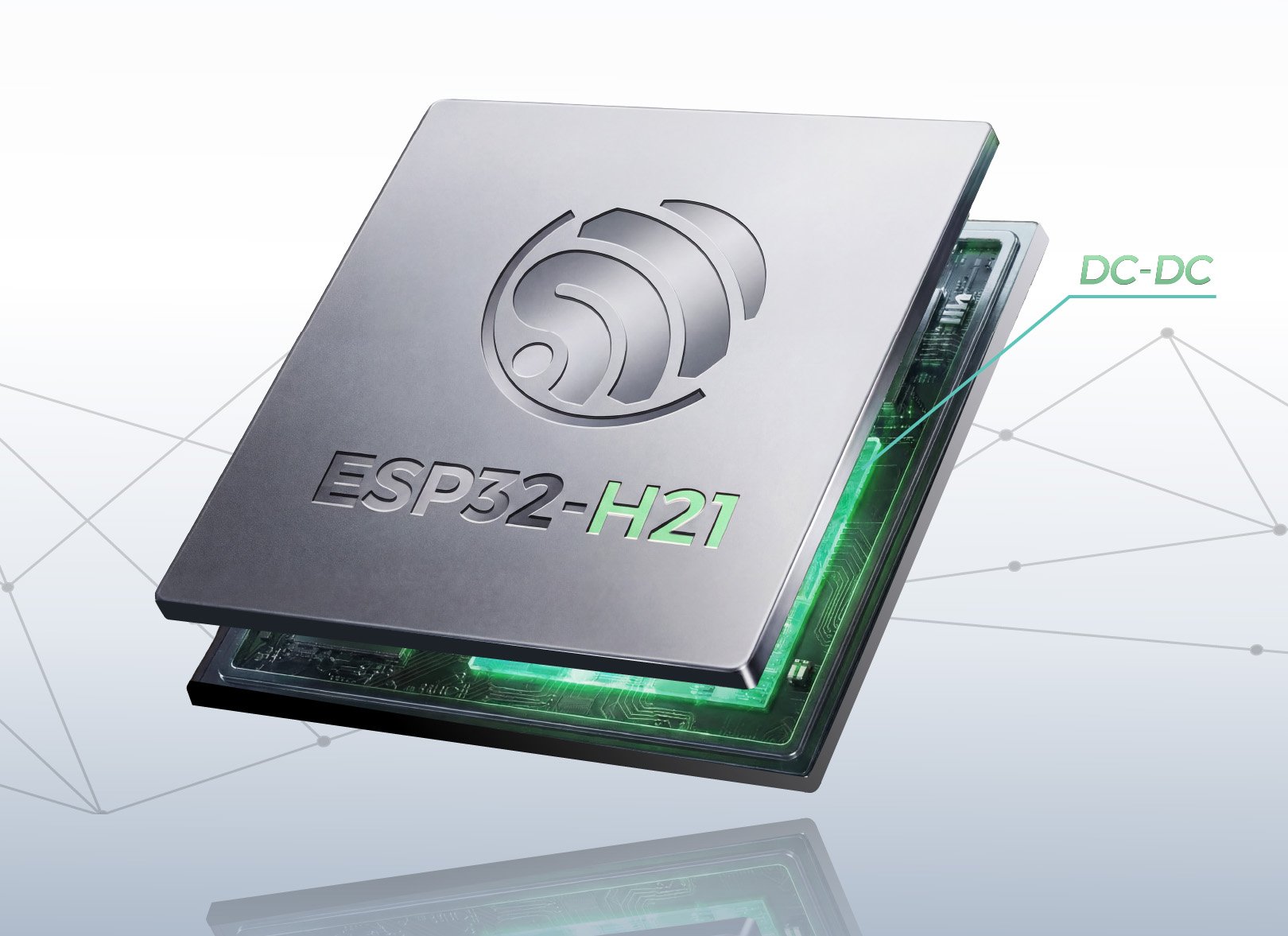
The headline feature of the ESP32-H21 is its built-in DC-DC converter, which the original H2 lacked. This integration allows the chip to operate more efficiently at lower voltages, directly translating to reduced power consumption in real-world scenarios.
According to Espressif's specifications, the H21 achieves:
- 8.2 mA active-mode current during RX operations under typical conditions
- 9 µA light sleep current draw
- 5 µA deep sleep current draw
These numbers represent meaningful improvements for always-on devices like smart home sensors, environmental monitors, and battery-operated mesh network nodes. The integrated converter eliminates the need for external power management components, simplifying board design while improving overall efficiency.
Core Specifications Remain Consistent
Beyond the power management upgrade, the ESP32-H21 maintains the same core architecture as its predecessor:
- 32-bit RISC-V core running at 96 MHz
- 320 KB SRAM
- Dual-radio setup supporting 802.15.4 and Bluetooth LE
- No Wi-Fi capabilities (keeping the focus on low-power protocols)
- 19 GPIOs and standard peripheral set
The chip continues to support Thread, Matter, ZigBee, and Bluetooth LE connectivity, making it ideal for modern smart home ecosystems and industrial IoT applications that rely on these standards.
Practical Implications for Developers
For developers already working with the ESP32-H2, the transition to H21 should be straightforward. Espressif notes that the pin definitions differ between the two SoCs, so it's not a direct drop-in replacement, but the development workflow remains consistent through the ESP-IDF (Espressif IoT Development Framework).
Who should consider upgrading?
- Battery-powered projects where every milliampere-hour counts
- Applications requiring extended runtime without battery replacement
- Designs where BOM cost reduction is valuable (the integrated converter eliminates external components)
When to stick with H2?
- Non-battery or AC-powered applications where power efficiency is less critical
- Projects already using external DC-DC converters or LDOs
- Situations where H2 availability and pricing are more favorable initially
The Bigger Picture
The ESP32-H21 represents Espressif's continued focus on the low-power IoT segment, where battery life and operational efficiency are paramount. By integrating power management directly into the SoC, Espressif addresses a common pain point in IoT design: the trade-off between component count, cost, and power efficiency.
This approach aligns with broader industry trends toward system-on-chip solutions that minimize external components while maximizing performance per watt. For developers building the next generation of always-on smart devices, the H21 offers a compelling balance of features, power efficiency, and development ecosystem maturity.
The ESP32-H21 is now available for evaluation, with production quantities expected to follow shortly. Developers can access documentation and development tools through Espressif's standard ESP-IDF platform, ensuring continuity with existing ESP32 development workflows.
Source: Espressif
Comments
Please log in or register to join the discussion