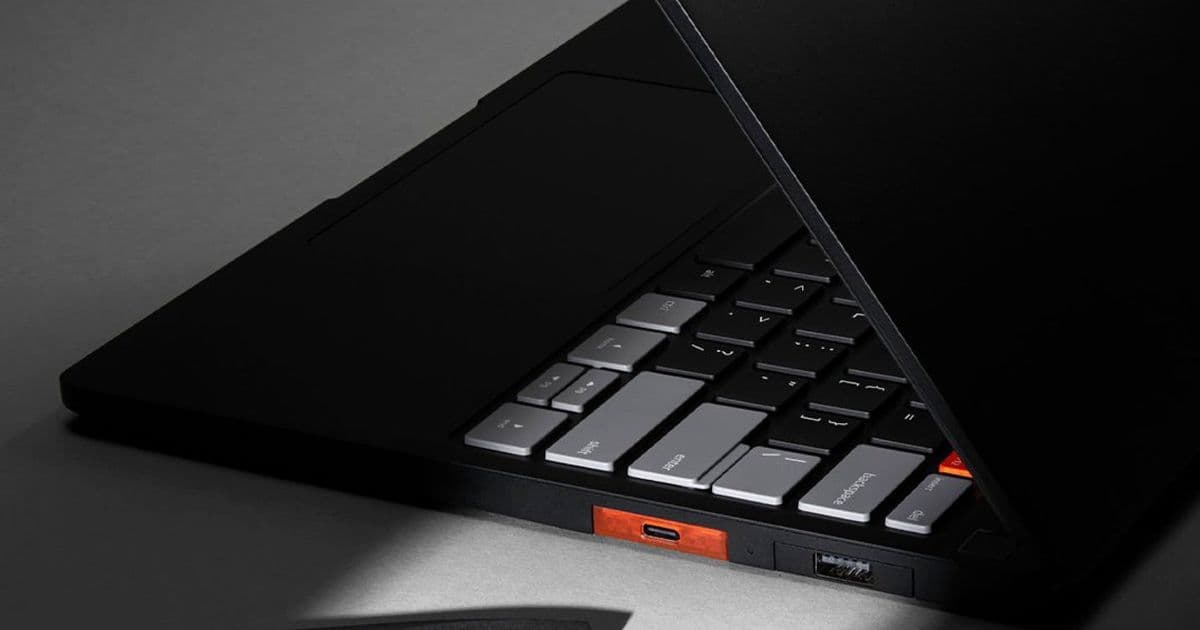
Framework pushed its high-end Laptop 13 Pro back by roughly a month after catching two last-minute hardware problems before mass production. The delay has nothing to do with the memory shortage everyone expected to blame.
Framework just told pre-order customers that the Laptop 13 Pro will not ship on time. The first production batch, originally due in June, now lands at the end of July or the start of August. If you order today, expect a unit somewhere between August and October depending on how you spec it. Pre-order holders should plan for delivery about a month later than promised.
The interesting part is the reason. With DRAM and NAND prices climbing through 2026 and memory availability tight across the industry, a slipped laptop launch practically writes its own headline. That is not what happened here. Framework caught two component problems shortly before the line ramped up, and both are the kind of issue that shows up only when you actually test hardware at volume.
What's new, and what broke
The Laptop 13 Pro was announced in mid-April as Framework's push upmarket, positioned against machines like the Apple MacBook Pro ($1,549 on Amazon). Two of its headline upgrades are also the two parts that caused the delay: a new haptic touchpad and a new display.
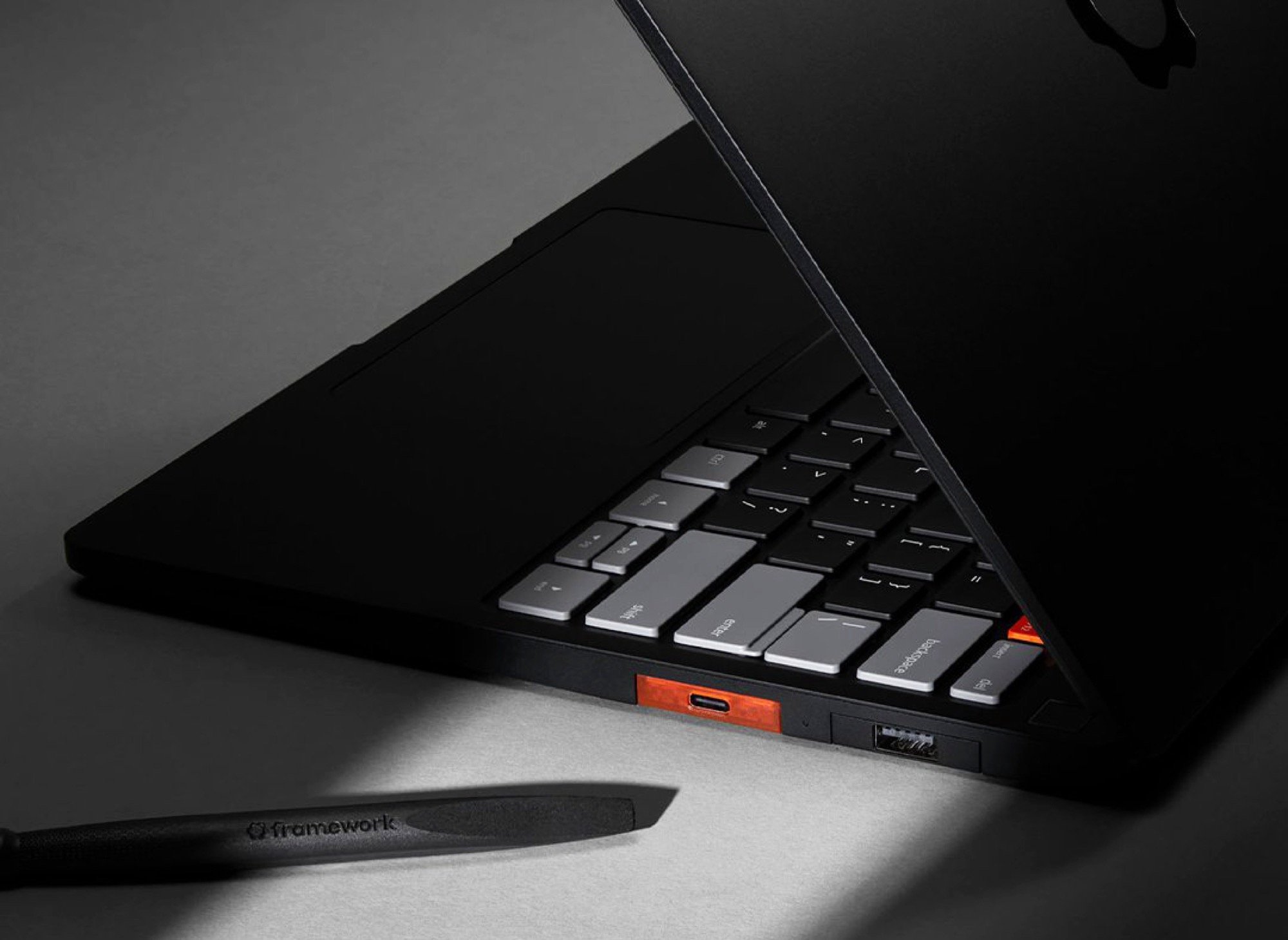
The haptic touchpad is the more instructive failure. Framework says the original touchpad mainboard design had a grounding problem. Click it several times in quick succession and the status could reset. A haptic trackpad has no mechanical hinge. Instead of a physical diving-board click, it uses a force sensor to detect a press and a linear actuator to fire a small vibration back into your finger, simulating the click. That illusion depends on clean, consistent electrical signaling between the force sensor, the controller, and the actuator. A poor ground reference is exactly the sort of fault that stays invisible on a single tap and only surfaces under rapid repeated input, which is why it slipped through until late validation. Apple's Force Touch trackpad solved the same class of problem years ago, and it took Apple real engineering to get there, so Framework running into grounding gremlins on its first haptic pad is unsurprising rather than alarming.
The display problem was lighter. It was resolved with a firmware update, and panel supplier CSOT is already producing panels with the corrected firmware loaded. Modern laptop panels carry their own firmware for timing controller behavior, variable refresh handling, and power management, so a panel-level firmware bug is fixable in software but still has to be baked into units before they leave the factory.
{{IMAGE:2}}
How it compares to Framework's usual cadence
For a company whose entire pitch is repairability and modularity, eating a month of delay to fix a grounding fault is on-brand in a way that matters to the target buyer. Framework's whole argument against a MacBook Pro is that you own the machine, you can open it, and parts are swappable. Shipping a touchpad that resets under fast clicks would undercut that argument immediately. Holding the line until the mainboard is corrected is the more defensible call for this audience.
The comparison that stings is timing against the broader market. Buyers cross-shopping the Laptop 13 Pro against an M-series MacBook Pro or a high-end Windows ultraportable now face an August-to-October window for new orders, while competitors are on shelves today. Framework is betting its customers value the repairable, upgradeable platform enough to wait, and it is giving them an out: anyone who cannot wait can cancel and get their deposit refunded in full. Offering a clean refund rather than quietly sitting on deposits is the right move and reflects who pre-orders these machines in the first place.
Who it's for
This is a launch for people who were already going to buy a Framework. If you want a high-end, fully serviceable 13-inch laptop and you trust the company to ship corrected hardware rather than a rushed first batch, the delay is a reasonable trade. If you need a machine in hand this summer, the math is harder, and the refund offer exists for exactly that reason. Either way, the takeaway is that the holdup is engineering hygiene, a grounding fix on a brand-new haptic pad and a panel firmware revision, not the memory shortage that is genuinely squeezing the rest of the market.
Framework communicated all of this directly to customers by e-mail, with the news surfacing via Reddit and Framework's own channels. More background sits in Framework's official site for anyone weighing the wait against a refund.
Comments
Please log in or register to join the discussion