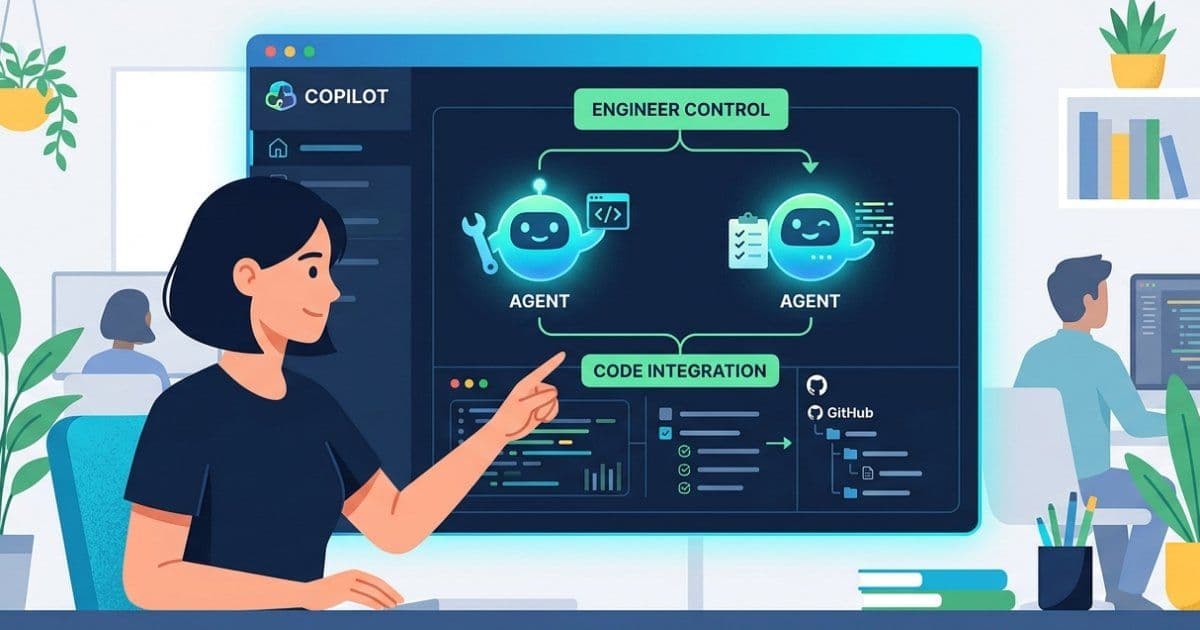
GitHub launches a desktop control centre for managing multiple AI coding agents in isolated environments, aiming to reduce context switching and streamline review workflows.
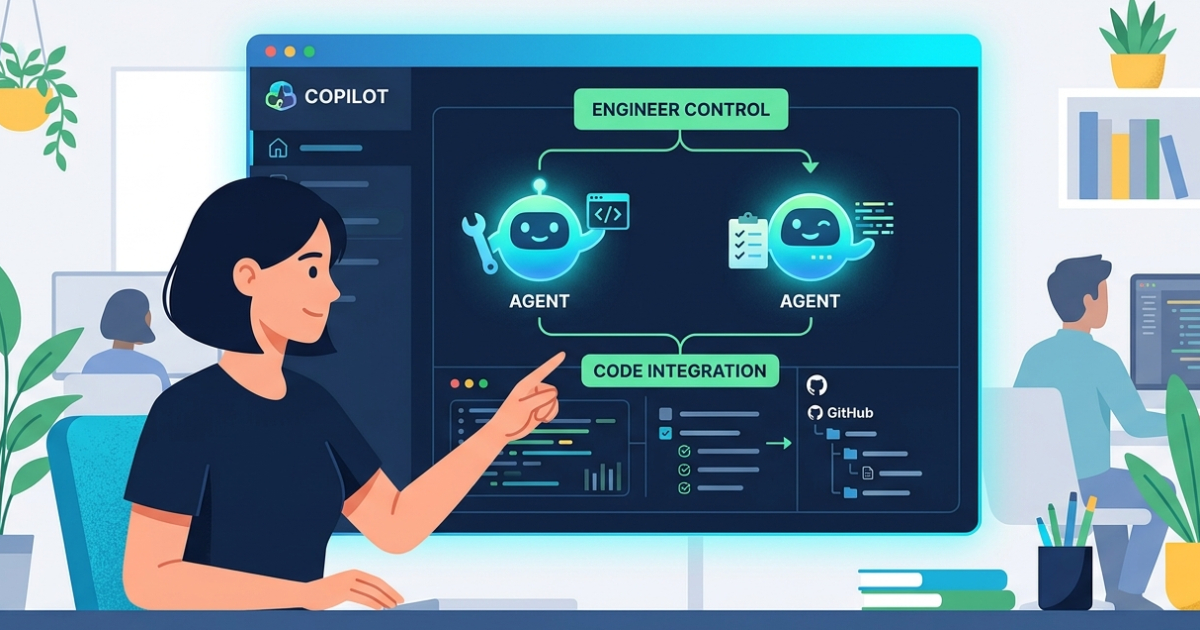
GitHub introduced the GitHub Copilot app, a standalone desktop application that lets developers run, observe, and coordinate multiple AI coding agents from a single interface. The app enters technical preview for Copilot Pro, Pro+, Business, and Enterprise users.
Mario Rodriguez wrote on the GitHub blog that recent coding agents brought faster delivery but also "disjointed workflows, more context switching, and too much time spent reviewing agent-generated code." The Copilot app addresses these issues by providing a central place to direct agents, track their progress, and tie their work to existing GitHub workflows.
Parallel sessions in isolated worktrees
Each agent session runs in its own git worktree, keeping changes separate from other agents and from a developer's local branches. One agent can investigate a production bug while another implements a backlog issue and a third responds to review comments. The sessions appear in a "My Work" view that shows issues, pull requests, and background automations across connected repositories.
When an agent finishes its task, the app uses GitHub's pull request mechanism to propose changes. A feature called Agent Merge follows a change through review, checks, and merge, and can be configured to drive continuous integration back to green or address review feedback before merging.
Canvases make agent work visible
GitHub also introduced canvases, described as "bidirectional work surfaces" where plans, pull requests, browser sessions, terminals, deployments, or dashboards become artefacts that both humans and agents can update. Rodriguez called this the start of an "agent experience" layer.
"Chat is where you instruct, discuss, and reason through ambiguity. Canvases are where that intent becomes visible work you can inspect, steer, and verify," Rodriguez wrote.
Sandboxes for safe execution
The app offers local and cloud sandboxes to keep agents contained. Local sandboxes run in an isolated environment on the developer's machine with restricted access to the filesystem, network, and system capabilities, governed by centrally managed policies. Cloud sandboxes run agents in ephemeral Linux environments hosted by GitHub, allowing organisations to define guardrails and resume sessions from different devices.
Agents can run code, inspect results, test changes, and iterate without touching production systems.
Code review and SDK updates
Copilot code review now supports per-repository tuning, including a medium-depth review option that routes pull requests to a higher-reasoning model, and custom skills such as /security-review and /rubberduck that focus on security analysis or critical commentary. GitHub brought the same code review experience to Azure DevOps.
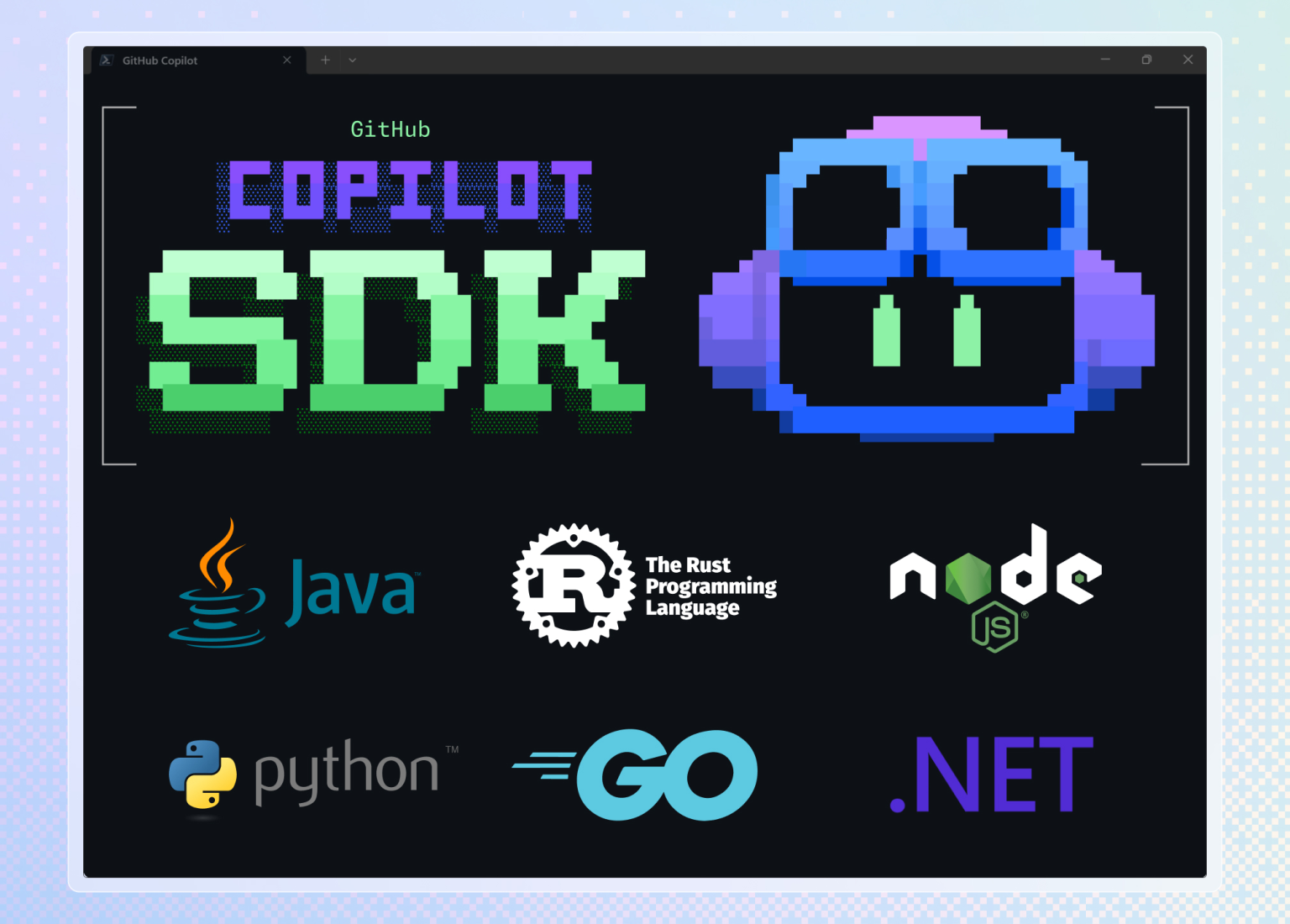
The GitHub Copilot SDK, now generally available in Node.js, Python, Go, .NET, Rust, and Java, exposes the engine that powers the app and Copilot CLI. Teams can embed Copilot-style planners and tool loops into their own tools and workflows instead of building agent orchestration from scratch.
The Copilot CLI gained a redesigned terminal UI, voice input, and the ability to schedule recurring prompts or background tasks, with cloud automations that run on GitHub infrastructure but still ask permission before performing write actions.
How it compares to competitors
Owen Smith at Pickuma argued the Copilot desktop app marks a shift in how GitHub presents Copilot, moving beyond inline completions towards a workflow where agents own longer running tasks. He contrasted the GUI-based Copilot app with terminal-first agents such as Anthropic's Claude Code and OpenAI's Codex CLI, noting that all three tools can read repositories, propose multi-file edits, and execute commands but differ in "surface and focus," approval semantics, and model neutrality.
Copilot's pull-request-first model offers a softer blast radius than terminal agents that work directly against a checked-out tree, and the ability to switch between models from Anthropic, OpenAI, and Google within a single interface provides flexibility. For teams already standardising on GitHub for source control and review, the Copilot app offers a way to try parallel coding agents without leaving their existing workflows.
What's next
GitHub positions the Copilot app, sandboxes, code review, and partner ecosystem as parts of a single system where agents do more of the work while developers retain control over quality and delivery. The technical preview is available now for eligible Copilot subscribers.
Comments
Please log in or register to join the discussion