
The Google Pixel 10a's camera system, while carrying over hardware from its predecessor, falls behind both the Pixel 8a and Apple iPhone 15 in DxOMark testing, raising questions about Google's mid-range strategy.
The Google Pixel 10a enters a competitive mid-range smartphone market at $499, positioning itself as a robust, durable option with a relatively compact body. However, recent DxOMark camera analysis reveals unexpected performance gaps that potential buyers should consider before purchasing.
Camera Hardware: Familiar Specs
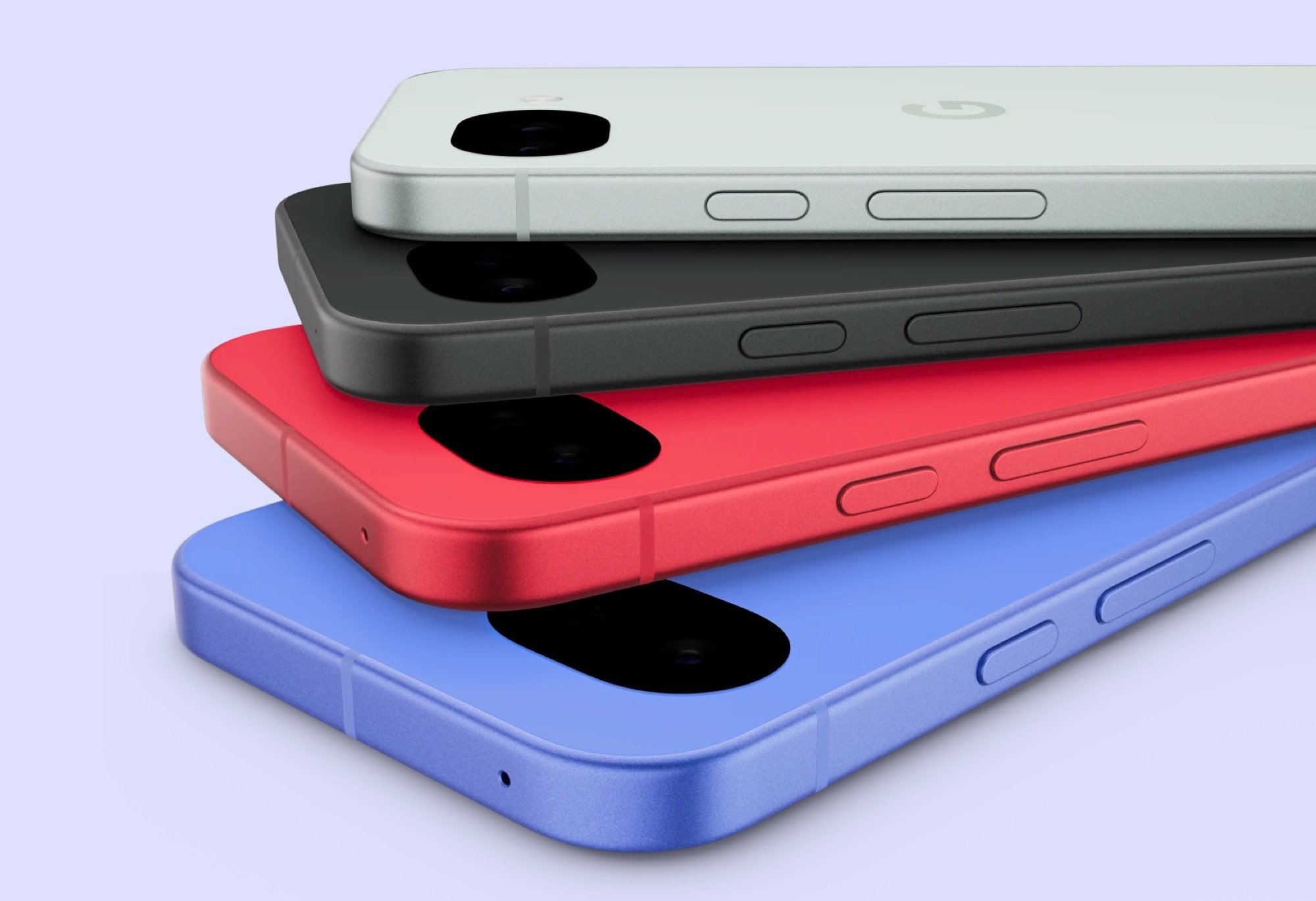
The Pixel 10a's camera system appears largely unchanged from the Pixel 9a, featuring a 48-megapixel f/1.7 main camera with a 1/2.0-inch sensor and optical image stabilization (OIS). The secondary camera is a 13 MP f/2.2 ultra-wide-angle unit with a small 1/3.1-inch sensor. Notably, both cameras are flush with the back of the device, a design choice that contributes to the phone's aesthetic while potentially protecting the lenses from scratches.
DxOMark Results: A Surprising Backward Step
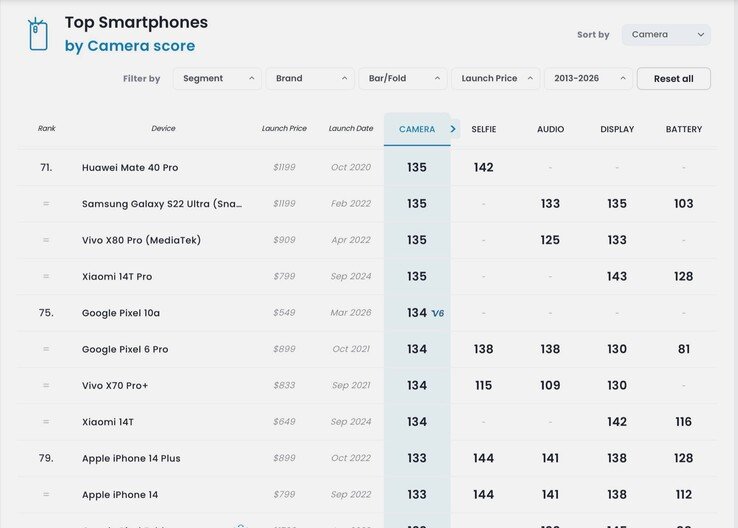
The DxOMark camera analysis places the Pixel 10a at 134 points, a modest six-point improvement over the Pixel 9a. This score is barely enough for 75th place on the DxOMark camera charts. More concerning is that the Pixel 10a trails behind its immediate predecessor, the Pixel 8a, which scored 136 points. The performance gap becomes even more apparent when comparing against Apple's iPhone 15, which achieved 145 points.

Why the Pixel 8a Outperforms its Successor
The Pixel 8a's superior performance can be attributed to its hardware specifications, particularly its 64-megapixel main camera with a larger 1/1.73-inch sensor. This highlights an unusual situation where an older model outperforms its successor, suggesting Google may have prioritized cost reduction over camera improvements in the 10a generation.
Performance Analysis: Strengths and Weaknesses
The Pixel 10a shows several distinct characteristics in its camera performance:
Strengths:
- Relatively wide dynamic range in photo and video capture
- Consistent exposure and white balance performance in daylight conditions
- Excellent portrait mode with accurate bokeh simulation
Weaknesses:
- Noticeable image noise in low-light conditions, which is expected given the small sensor sizes
- Inconsistent auto-exposure and white balance in low-light scenarios
- Limited detail capture, particularly in video recordings
- Unreliable autofocus performance in certain situations
- Telephoto camera score of just 25 points, as expected without a dedicated telephoto lens
Competitive Context
Despite its shortcomings, the Pixel 10a still outperforms several older flagships including the iPhone 14, Google Pixel 6, and Samsung Galaxy S23. This suggests that while it may not lead its generation, it still represents solid mid-range performance overall.
Who Is the Pixel 10a For?
The Pixel 10a appears aimed at budget-conscious consumers who prioritize a compact, durable device with decent camera capabilities. However, photography enthusiasts might want to consider the Pixel 8a instead, which offers better camera hardware at a potentially lower price point. The iPhone 15 remains the stronger choice for those who prioritize camera performance in the mid-range category.
For more details on the DxOMark analysis, you can visit their official website.
Google's mid-range strategy appears to have shifted with the Pixel 10a, with camera improvements coming primarily through software rather than hardware upgrades. This approach may appeal to some buyers, but those specifically looking for camera performance should carefully consider the alternatives before making a purchase decision.
Comments
Please log in or register to join the discussion