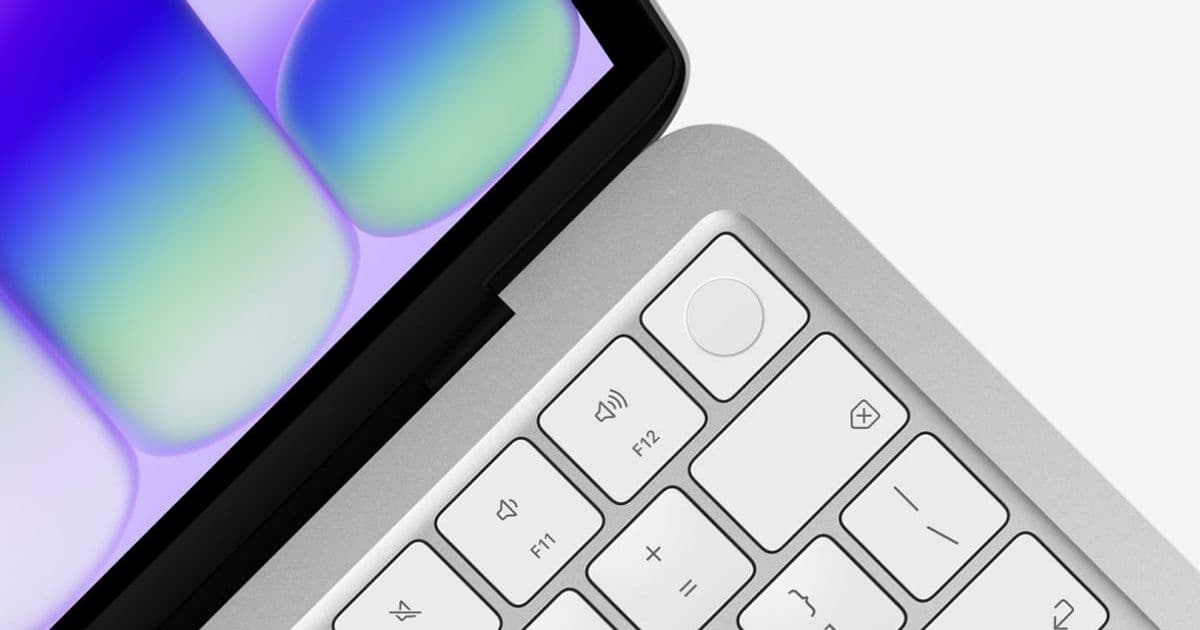
TrendForce forecasts 4-5 million MacBook Neo sales in 2026, as Apple bucks industry trends with its entry-level notebook strategy.
I earlier estimated that Apple would sell gazillions of MacBook Neo machines. TrendForce is now out with a slightly more formal estimate of four to five million units this year. The market intelligence company also notes that Apple is headed in the opposite direction to most of its competitors.
DRAMatically increased RAM prices mean that PC makers are struggling to make lower-cost machines, with many of them prioritizing their limited supply of components to their more expensive models. TrendForce notes that Apple is bucking this trend.
TrendForce's latest projections estimate that global notebook shipments will decline 9.2% YoY in 2026, with the possibility of deeper contraction should demand remain weak. Amid simultaneous shortages and price increases in memory and CPUs—factors prompting most notebook brands to streamline product lines and adopt cautious inventory strategies—Apple has taken the opposite approach by introducing an entry-level notebook, the MacBook Neo.
The firm says there is a question mark over the impact of the 8GB memory limitation, but it still expects MacBook sales to grow significantly this year, with the Neo playing a significant role in this.
Apple's notebook shipments [are forecast to] grow 7.7% YoY in 2026, pushing macOS market share to 13.2% […] Shipments of the MacBook Neo alone could reach 4–5 million units, depending on consumer acceptance of its 8 GB memory configuration.
Also observes that the Neo could "reshape the pricing structure and competitive landscape of the global notebook market." In other words, when consumers can buy a MacBook for $500 to $600, companies making Windows laptops at this kind of price point are going to be doing a lot of sweating right now.
Ahead of the launch of the machine, I suggested that it would act as a gateway drug to the Mac world, and Trendforce backs this view.
By entering the entry-level segment, Apple can not only fill a key pricing gap but also establish brand loyalty among students and early-career professionals at an earlier stage.
Market Context: Apple's Contrarian Strategy
The notebook market is facing significant headwinds in 2026. TrendForce's projection of a 9.2% year-over-year decline in global notebook shipments reflects broader economic challenges and supply chain constraints. The simultaneous shortages and price increases in memory and CPUs have forced most manufacturers to make difficult decisions about their product portfolios.
For many PC makers, this has meant streamlining product lines and focusing on higher-margin models where component costs can be absorbed more easily. The traditional entry-level segment, which typically operates on razor-thin margins, has become increasingly difficult to serve profitably.
Apple's decision to launch the MacBook Neo represents a calculated bet that runs counter to this industry trend. While competitors are retreating from the budget segment, Apple is doubling down on it.
The 8GB Question: A Potential Limitation
The 8GB memory configuration of the MacBook Neo has raised eyebrows among tech enthusiasts and professionals. In an era where many applications and operating systems are becoming increasingly memory-hungry, 8GB represents a significant limitation.
However, Apple's tight integration between hardware and software means that macOS can be optimized to run efficiently within these constraints. The company's experience with iOS devices, which often operate with similar or lower memory configurations, suggests that they may have found ways to make 8GB workable for many use cases.
The real question is whether consumers will accept this limitation in exchange for the MacBook brand and ecosystem at a sub-$600 price point.
Market Share Implications
If TrendForce's projections prove accurate, Apple's notebook market share could reach 13.2% in 2026, representing a significant milestone for the company. This growth would come at a time when the overall market is contracting, making Apple's performance even more impressive.
The MacBook Neo's potential to sell 4-5 million units represents a substantial portion of Apple's total notebook sales. This suggests that the entry-level model could become one of Apple's most popular Mac products, potentially outselling some of the more expensive MacBook Pro and MacBook Air models.
Competitive Landscape Disruption
The introduction of a $500-600 MacBook has the potential to reshape the competitive landscape in several ways:
Price-to-Performance Pressure: Windows laptop manufacturers in the same price bracket will face intense pressure to justify their products over a MacBook. This could force them to either improve specifications, reduce prices further, or risk losing market share.
Ecosystem Lock-in: Once users enter the Apple ecosystem through an affordable entry point, they may be more likely to purchase additional Apple products and services, creating a long-term revenue stream that extends beyond the initial hardware sale.
Brand Perception: The availability of an affordable MacBook could change perceptions about the Mac platform, making it seem more accessible to a broader range of consumers.
Educational Market: Schools and universities that previously couldn't justify Mac purchases may now find the MacBook Neo within their budget constraints, potentially leading to bulk purchases and institutional adoption.
The "Gateway Drug" Effect
The concept of the MacBook Neo as a "gateway drug" to the Apple ecosystem is particularly insightful. By offering an entry point at a price comparable to mid-range Windows laptops, Apple is lowering the barrier to entry for potential Mac users.
This strategy could be especially effective among:
- Students: Young people forming their technology preferences and potentially using these devices throughout their education and early careers
- Budget-conscious consumers: Those who previously viewed MacBooks as aspirational but unaffordable
- First-time computer buyers: Individuals making their first major technology purchase
- Switchers from older devices: People upgrading from aging Windows machines or tablets
Supply Chain Advantages
Apple's ability to launch the MacBook Neo while competitors are struggling with component shortages speaks to the company's supply chain advantages. With its massive purchasing power and long-term supplier relationships, Apple may be better positioned to secure the components needed for this product.
The company's vertical integration also allows for more efficient use of available components. Where a Windows manufacturer might need to source multiple components from different suppliers, Apple can often use its own silicon and optimize other components around it.
Long-term Strategic Implications
The MacBook Neo represents more than just a new product; it's a strategic move that could have long-lasting implications for Apple's position in the personal computing market.
By establishing a presence in the entry-level segment, Apple is:
- Defending against Chromebook encroachment: In education and budget markets where Chromebooks have gained significant traction
- Expanding the total addressable market: Making Macs accessible to consumers who previously couldn't afford them
- Creating upgrade paths: Establishing relationships with customers who may eventually upgrade to more expensive Mac models
- Strengthening the ecosystem: Adding more users to services like iCloud, Apple Music, and the App Store
Conclusion
TrendForce's projection of 4-5 million MacBook Neo units in 2026 suggests that Apple's contrarian strategy could pay off handsomely. By entering the entry-level market while competitors retreat, Apple is positioning itself for both short-term sales growth and long-term ecosystem expansion.
The success of this strategy will ultimately depend on whether consumers accept the 8GB limitation and whether the MacBook Neo can deliver a user experience that justifies the Apple premium at this price point. If it does, the MacBook Neo could indeed reshape the notebook market and establish Apple as a major player in segments it previously ignored.
For Windows laptop manufacturers, the message is clear: the competition just got a lot tougher in the budget segment, and the pressure to innovate and compete on value has never been higher.
Comments
Please log in or register to join the discussion