
Google's Pixel 11 could introduce a novel approach to battery replacement that addresses the growing demand for repairability without compromising the sleek design of modern smartphones.
The smartphone industry has been moving steadily toward sealed, non-removable batteries for over a decade, with manufacturers citing design, water resistance, and space efficiency as key reasons. However, a recent leak suggests that Google might be reconsidering this approach with the Pixel 11, potentially introducing a removable battery system that could change how we think about smartphone repairability.
The Repairability Problem
Modern smartphones have become increasingly difficult to repair, with glued-in batteries being one of the most significant barriers. When a battery degrades after two or three years, users are often forced to either live with reduced battery life or pay for expensive professional repairs. This has led to growing frustration among consumers and has even attracted regulatory attention in various markets.
The European Union has been particularly active in pushing for the "right to repair," with new regulations requiring manufacturers to make batteries replaceable by independent repair shops without damaging the device. While these regulations currently apply primarily to appliances and electric vehicles, smartphones are likely to be next on the list.
Google's Potential Solution
According to sources familiar with Google's plans, the Pixel 11 might feature a battery that can be removed without specialized tools or technical expertise. However, this won't be the old-school removable battery design that was common in phones from the early 2010s.
Instead, Google appears to be developing a system that maintains the sleek, unibody design of modern smartphones while allowing for relatively easy battery replacement. The exact mechanism hasn't been revealed, but industry experts speculate it could involve a sliding mechanism, magnetic attachment, or a specialized compartment that can be accessed without compromising the phone's structural integrity.
Why This Matters for Developers
For mobile developers, this change could have several implications:
App Behavior and Battery Management: If users can more easily replace batteries, they might be less concerned about aggressive battery optimization in apps. However, this could also mean that users with older, degraded batteries might still be using them, potentially leading to unexpected performance issues.
Device Fragmentation: Different battery configurations could introduce new variables in performance testing. Developers might need to account for variations in battery health and capacity when optimizing their apps.
Hardware Access: A more repairable design could encourage third-party accessory makers to create more specialized battery solutions, potentially opening up new possibilities for extended battery life or specialized use cases.
The Technical Challenges
Creating a removable battery system for a modern smartphone presents significant engineering challenges. The battery must be:
- Securely fastened to prevent movement during drops or impacts
- Water and dust resistant to maintain IP ratings
- Thermally efficient to prevent overheating
- Space-efficient to avoid increasing the phone's thickness
- Durable enough to withstand multiple removal and replacement cycles
Google's engineers would need to solve these challenges without compromising the Pixel's premium feel and performance. This is likely why the company has been working on this for several generations before potentially introducing it in the Pixel 11.
Industry Context
Google isn't the first company to explore removable battery designs. Motorola's recent Razr foldable phones feature a relatively easy-to-replace battery, and some Fairphone models have long offered user-replaceable components. However, Google would be the first major Android manufacturer to bring this feature to a flagship device.
Apple has shown no indication of moving away from its glued-in battery design, which means Google could gain a significant competitive advantage in markets where repairability is becoming increasingly important to consumers.
What This Means for Users
If implemented successfully, a removable battery in the Pixel 11 could offer several benefits:
- Extended device lifespan: Users could replace the battery when it degrades rather than replacing the entire phone
- Lower repair costs: Battery replacement could become a simple DIY task rather than an expensive service
- Environmental benefits: Longer device lifespans mean less electronic waste
- Travel convenience: Users could carry spare batteries for extended trips (though this would depend on the specific implementation)
Looking Ahead
The Pixel 11 is still months away from release, and plans can change during development. However, if Google does introduce a removable battery system, it could signal a significant shift in the smartphone industry's approach to repairability.
This move would align with Google's broader sustainability initiatives and could put pressure on other manufacturers to follow suit. It would also position the Pixel 11 as a particularly attractive option for environmentally conscious consumers and those who value long-term device usability.
As we await more details about the Pixel 11's design and features, one thing is clear: the smartphone industry may be on the cusp of a repairability revolution, and Google appears to be leading the charge.
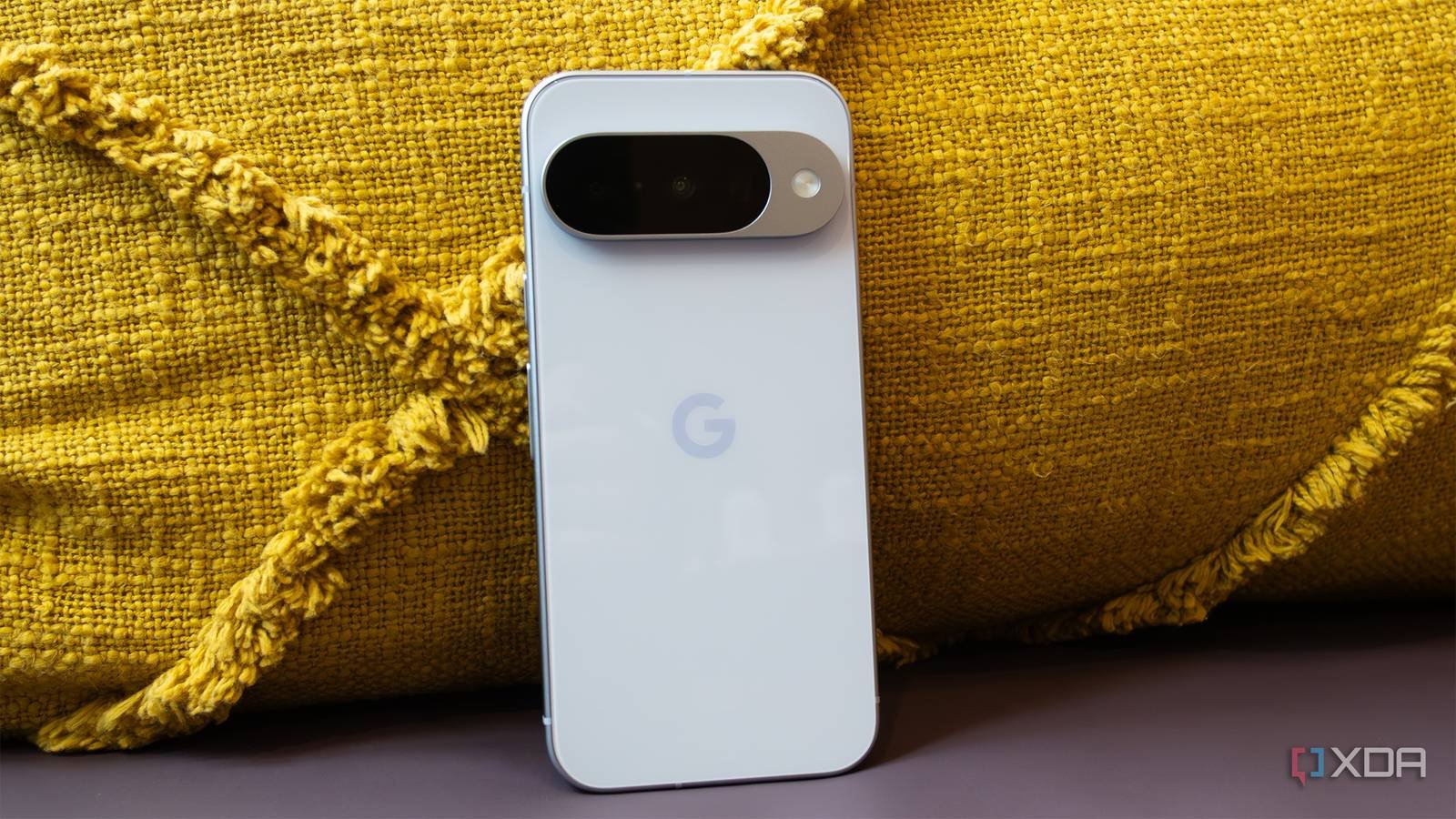
The featured image shows a concept design of what a Pixel 11 with removable battery access might look like, though the actual implementation could differ significantly from this visualization.
For developers and tech enthusiasts alike, the potential return of removable batteries represents an interesting intersection of consumer demand, regulatory pressure, and technological innovation. Whether Google can successfully execute on this vision remains to be seen, but the mere possibility has already sparked important conversations about the future of smartphone design and repairability.
Comments
Please log in or register to join the discussion