
The conflict in Iran is creating fresh disruptions to global supply chains, compounding existing logistics challenges and threatening economic stability across multiple sectors.
The conflict in Iran is creating fresh disruptions to global supply chains, compounding existing logistics challenges and threatening economic stability across multiple sectors.
The Middle East has long been a critical artery for global commerce, with the Strait of Hormuz serving as a chokepoint for approximately 20% of the world's oil supply. Any military escalation in the region immediately impacts shipping routes, insurance costs, and energy prices worldwide.
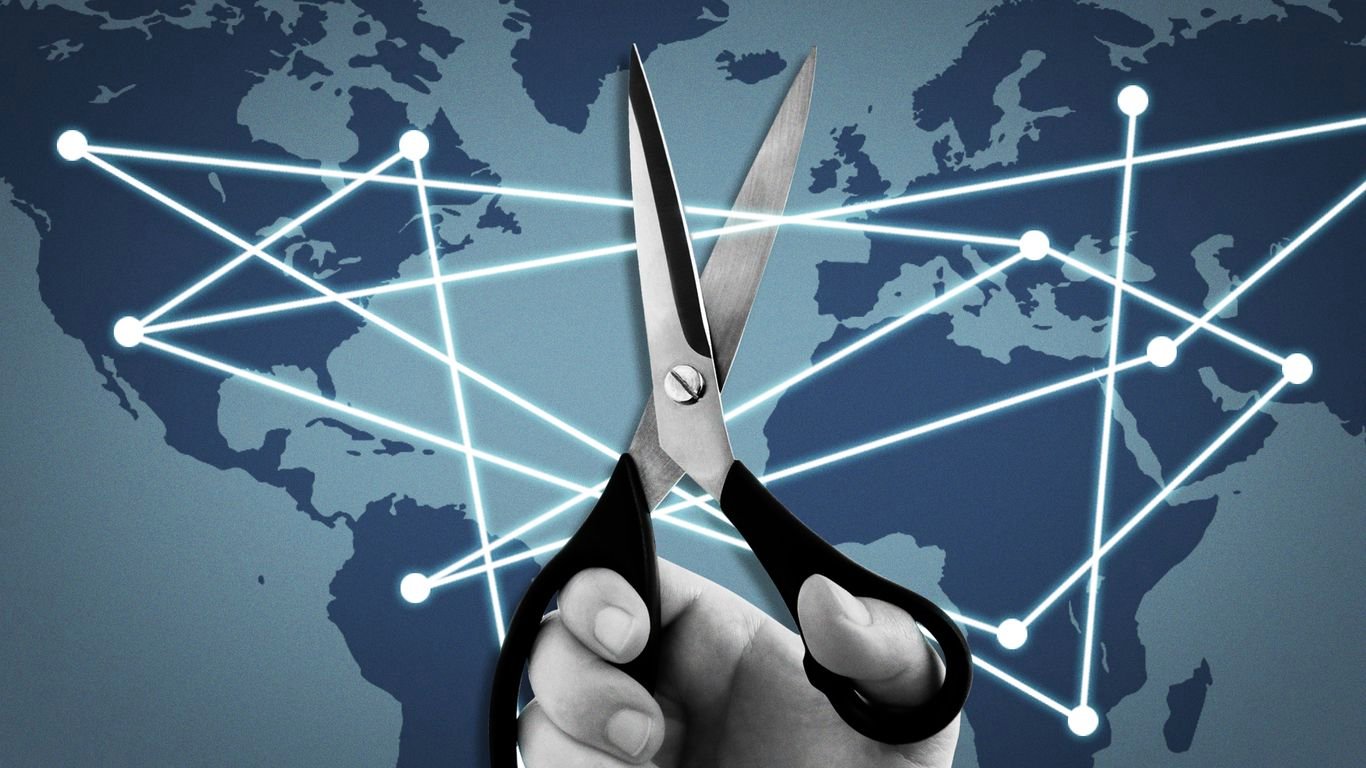
Current supply chain stress points include:
Energy markets: Oil prices have already spiked by 8-12% since hostilities began, with Brent crude hovering around $85-90 per barrel. This directly impacts transportation costs for goods moving by sea, air, and road.
Container shipping: Major carriers are rerouting vessels to avoid conflict zones, adding 7-14 days to delivery times for goods traveling between Asia and Europe. Companies like Maersk and Mediterranean Shipping Company have already announced temporary service suspensions in affected ports.
Air freight: Heightened security measures and airspace restrictions are causing delays and increasing costs for time-sensitive shipments, particularly affecting electronics and pharmaceutical industries.
Economic ripple effects
The conflict's timing couldn't be worse for global supply chains still recovering from pandemic-era disruptions. Businesses face a perfect storm of challenges:
- Inventory shortages: Companies that reduced inventory levels to cut costs are now scrambling to secure alternative suppliers as Iranian ports and logistics hubs face operational disruptions.
- Cost inflation: Transportation costs are rising across all modes, with ocean freight rates up 15-20% in the past month alone. These costs inevitably get passed to consumers.
- Production delays: Manufacturers dependent on just-in-time delivery models are experiencing bottlenecks, particularly in automotive and electronics sectors where components often transit through Middle Eastern hubs.
Sector-specific impacts
Technology: Semiconductor manufacturers like TSMC and Samsung rely on specialized chemicals and materials that transit through the region. Even minor delays can halt production lines worth millions per hour.
Automotive: The industry is particularly vulnerable, with Iran serving as a transit point for parts moving between Europe and Asia. Companies like Volkswagen and Toyota have already reported production slowdowns.
Retail: Major retailers are warning of potential shortages ahead of the holiday season, with some considering air freight alternatives despite the 3-4x cost premium over ocean shipping.
What companies are doing
Businesses are implementing emergency measures:
- Diversifying suppliers: Companies are accelerating plans to source from multiple regions to reduce dependency on any single transit route.
- Increasing inventory: Many are building safety stock, though this ties up capital and warehouse space.
- Exploring alternatives: Some manufacturers are considering nearshoring production to reduce exposure to global shipping disruptions.
Long-term implications
The current crisis may accelerate existing trends toward supply chain resilience:
- Regionalization: Companies may shift toward regional supply chains rather than global ones, accepting higher production costs for greater reliability.
- Technology adoption: Investment in supply chain visibility tools and predictive analytics is likely to increase as companies seek better risk management.
- Policy changes: Governments may incentivize domestic production of critical goods, potentially reshaping global trade patterns.
Expert perspective
"What we're seeing isn't just another supply chain disruption—it's a stress test that's revealing fundamental vulnerabilities in how global commerce operates," says Dr. Sarah Chen, supply chain analyst at the Global Trade Institute. "Companies that survive this period will be those that can adapt quickly and build more resilient networks."
The conflict in Iran represents the latest in a series of shocks to global supply chains, following COVID-19 disruptions, the Ukraine war, and ongoing semiconductor shortages. Each crisis adds pressure, forcing businesses to reconsider their approach to global logistics and potentially leading to a more fragmented, regionalized trade system in the coming years.
Comments
Please log in or register to join the discussion