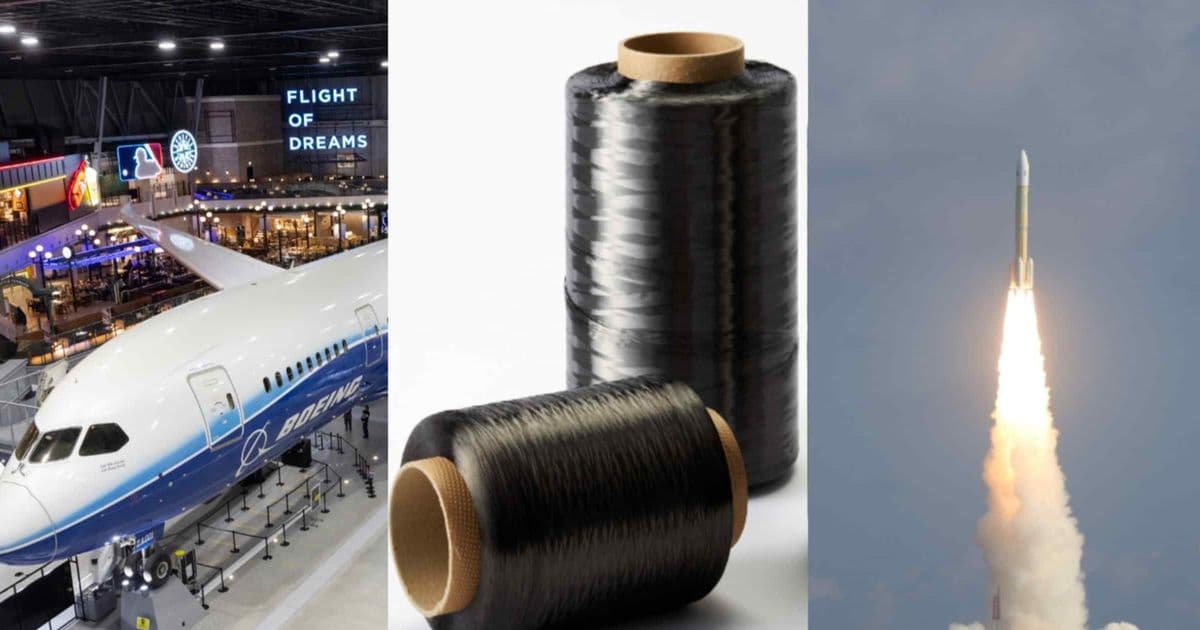
Japanese carbon fiber manufacturers are shifting toward aerospace and defense applications to counter Chinese rivals' rapid market share gains, with Toray Industries seeking bigger presence in high-margin sectors.
Japan's leading carbon fiber manufacturers are undergoing a strategic transformation as they face mounting pressure from Chinese competitors who have rapidly gained market share in recent years. The industry's pivot toward aerospace and defense applications represents a calculated move to secure higher profit margins and maintain technological leadership in a sector critical to advanced manufacturing.
The Competitive Landscape Shifts
The carbon fiber industry, once dominated by Japanese giants like Toray Industries, Mitsubishi Chemical, and Teijin, is experiencing unprecedented disruption from Chinese manufacturers. These new entrants have leveraged government support and lower production costs to capture significant portions of the global market, particularly in automotive and general industrial applications where price competition is fierce.
Toray Industries, a key supplier to Boeing and other aerospace manufacturers, is spearheading this strategic shift. The company is expanding its presence in aerospace and defense materials, recognizing that these sectors offer not only higher margins but also barriers to entry that protect against commoditization. Aerospace-grade carbon fiber requires exacting specifications and certification processes that take years to master, creating a moat around these premium applications.
Why Aerospace and Defense Matter
Aerospace and defense applications represent the high end of the carbon fiber market, where performance specifications trump cost considerations. Aircraft manufacturers like Boeing and Airbus demand materials that can withstand extreme conditions while minimizing weight—a critical factor in fuel efficiency and overall performance. Similarly, defense contractors require materials for everything from military aircraft to missile components that meet stringent durability and reliability standards.
These sectors also offer more stable pricing and longer-term contracts compared to the volatile automotive market. While automotive applications have driven much of carbon fiber's growth over the past decade, they also expose manufacturers to intense price pressure and the risk of technology obsolescence as electric vehicles evolve.
The Technology Race
Japanese companies maintain a technological edge in producing high-performance carbon fiber, particularly in the development of ultra-high-modulus materials used in aerospace and space applications. This expertise is not easily replicated, as it requires decades of research and development, sophisticated manufacturing processes, and deep relationships with end-users.
However, Chinese manufacturers are closing the gap, particularly in standard and intermediate-grade carbon fiber used in automotive and wind energy applications. Industry analysts note that while Japanese firms still lead in quality and consistency, the price differential has narrowed significantly, forcing a strategic reassessment.
Investment and Innovation
The pivot toward aerospace and defense is accompanied by increased investment in research and development. Japanese manufacturers are focusing on next-generation carbon fiber technologies, including materials that can withstand higher temperatures, offer greater strength-to-weight ratios, and integrate with other advanced materials like ceramics and metals.
This investment extends beyond the materials themselves to manufacturing processes. Automated production lines, advanced quality control systems, and digital manufacturing technologies are being deployed to reduce costs while maintaining the quality standards demanded by aerospace and defense customers.
Global Market Implications
The strategic shift has broader implications for the global carbon fiber market. As Japanese manufacturers concentrate on high-margin applications, opportunities are emerging for Chinese and other Asian producers to dominate the mid-range and commodity segments. This segmentation could lead to a more specialized global supply chain, with different regions focusing on their competitive advantages.
For aerospace and defense contractors, the evolving landscape means greater supply chain complexity but also potential cost benefits as competition intensifies in the lower-end segments. However, concerns about supply chain security and material consistency remain paramount, particularly for defense applications where reliability is non-negotiable.
The Path Forward
The carbon fiber industry's transformation reflects a broader trend in advanced manufacturing, where companies must constantly reassess their competitive positioning in response to global market dynamics. For Japan's carbon fiber giants, the move toward aerospace and defense represents both a defensive maneuver against Chinese competition and an offensive strategy to capture value in the most demanding applications.
Success will depend on maintaining technological leadership, securing long-term contracts with key aerospace and defense customers, and continuing to innovate in materials science. As the industry evolves, the companies that can balance cost competitiveness with technological superiority will likely emerge as the winners in this high-stakes competition.
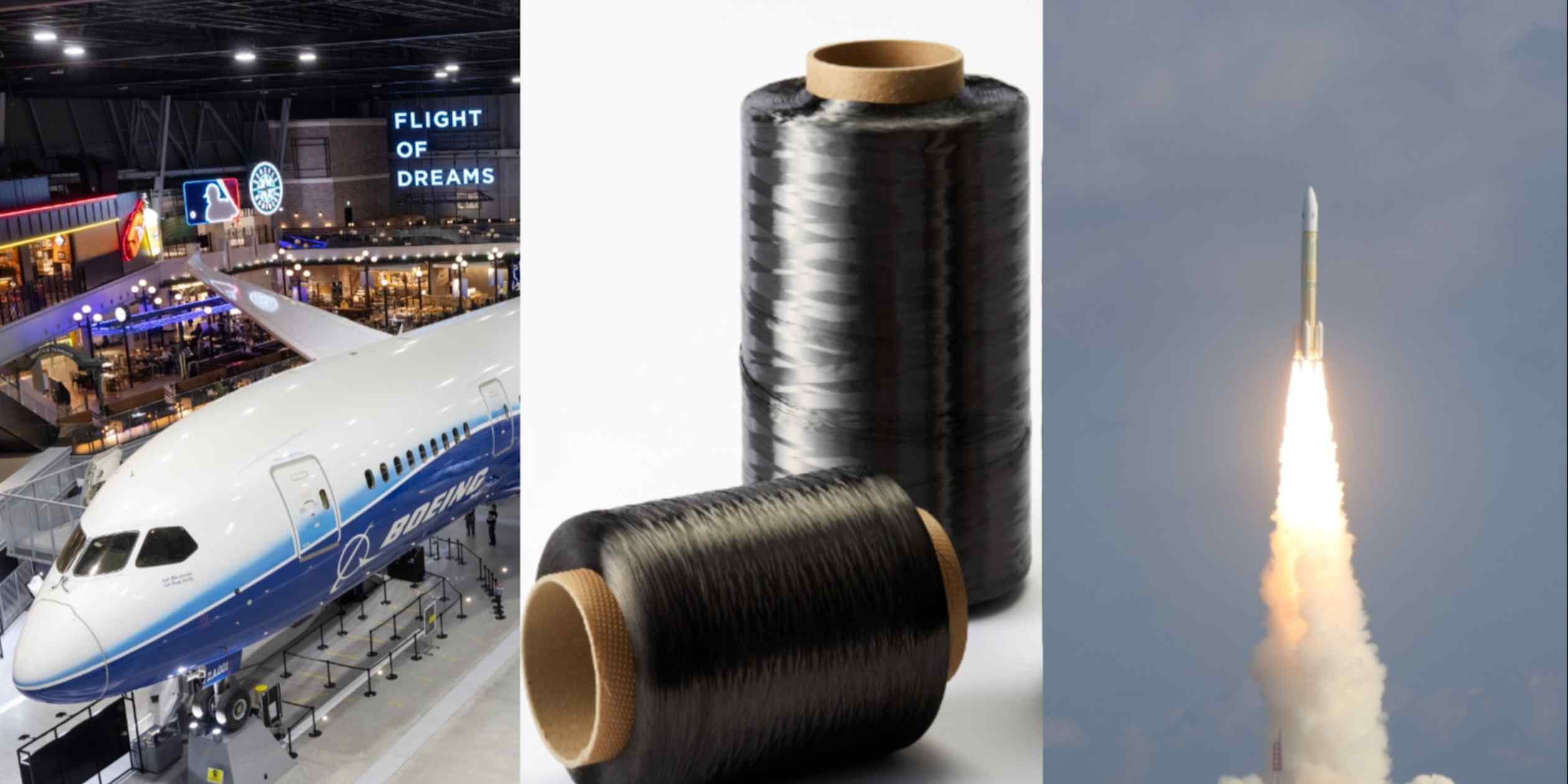
The featured image shows carbon fiber being used in various applications, from sporting goods to aerospace components, highlighting the material's versatility and the strategic importance of high-performance applications in the industry's future.
Comments
Please log in or register to join the discussion