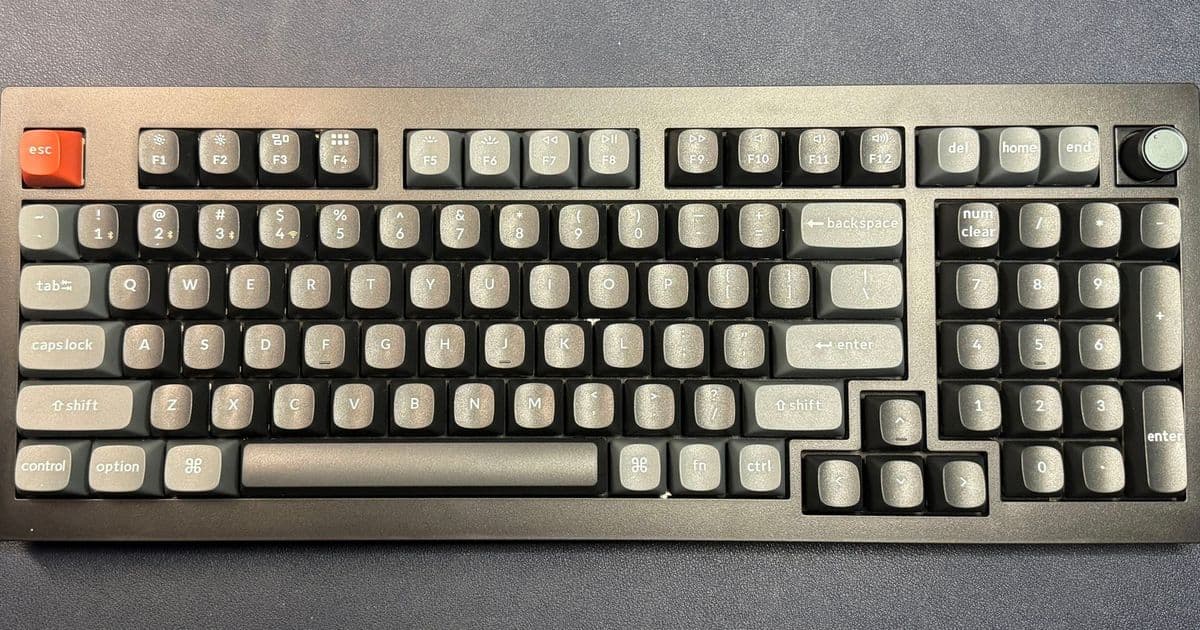
The Keychron V5 Ultra 8K keyboard demonstrates how optimized semiconductor design enables high-performance 8K polling rates at budget price points through advanced power management and efficient chip architectures.
The Keychron V5 Ultra 8K represents a significant advancement in input device technology, bringing 8,000 Hz polling rate capabilities to consumers at a remarkably accessible price point of $120. This achievement is made possible through sophisticated semiconductor design and power management systems that maximize efficiency without compromising performance.
Semiconductor Architecture Enabling 8K Performance
The V5 Ultra 8K's standout feature is its 8,000 Hz polling rate, a specification typically found only in premium peripherals with significantly higher price tags. This high polling rate requires a specialized microcontroller architecture capable of processing input signals at an 8-microsecond interval, translating to 8,000 data transmissions per second. Most keyboards in this price range operate at 1,000 Hz (1ms response time) or lower.
The implementation of 8K polling in a budget-friendly device suggests Keychron has either developed a custom ASIC (Application-Specific Integrated Circuit) or optimized an existing microcontroller design to achieve the necessary performance-per-watt ratio. This architectural optimization allows the keyboard to maintain its high polling rate while still delivering exceptional battery life—a critical consideration for wireless peripherals.
Power Management System: The Key to Extended Battery Life
Perhaps more impressive than the 8K polling rate itself is the V5 Ultra 8K's battery performance: up to 660 hours of wireless operation while maintaining the 8,000 Hz polling rate. This longevity is achieved through a multi-layered power management system that likely incorporates several advanced semiconductor technologies:
Low-power MCU architecture: The microcontroller likely employs multiple power states, transitioning between high-performance and ultra-low-power modes based on usage patterns.
Efficient wireless communication: The 2.4GHz wireless module probably incorporates advanced modulation techniques and packet optimization to minimize energy consumption while maintaining high polling rates.
Adaptive power regulation: Voltage regulation circuits that dynamically adjust power delivery based on current processing demands, eliminating energy waste.
The contrast between battery life with and without backlighting (660 hours vs. 200 hours) indicates that the RGB lighting system represents the single largest power draw, suggesting the keyboard's core components are exceptionally power-efficient.
Manufacturing Considerations and Cost Optimization
The V5 Ultra 8K's all-plastic construction, while noted as a con in the review, represents a deliberate manufacturing choice that enables the competitive price point. The polycarbonate case and plastic components reduce both material and production costs without significantly impacting performance.
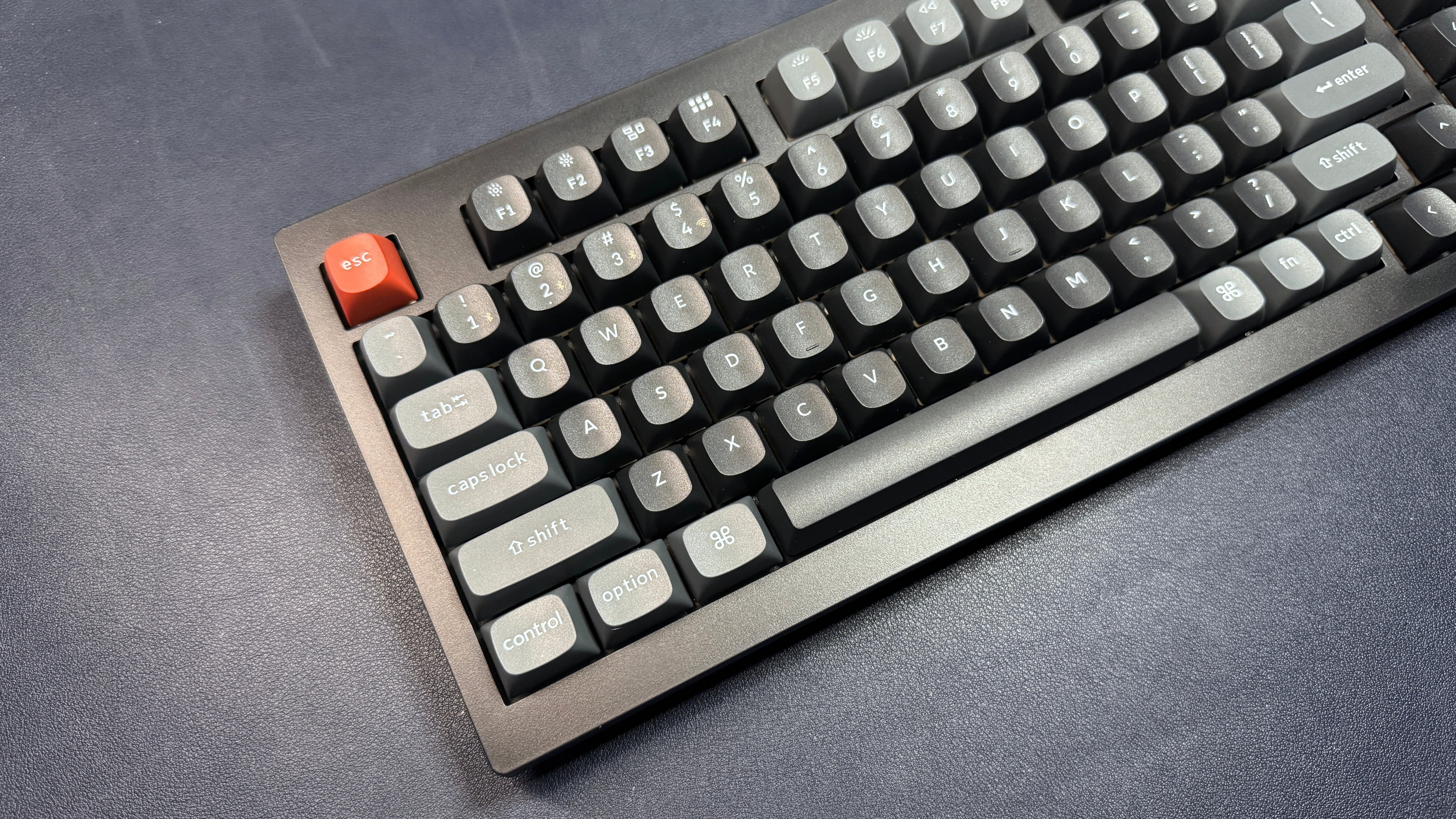
The hot-swappable PCB implementation demonstrates sophisticated manufacturing capabilities, allowing for easy customization while maintaining production efficiency. This feature requires precise alignment of switch sockets and programming interfaces, suggesting high-quality manufacturing tolerances.
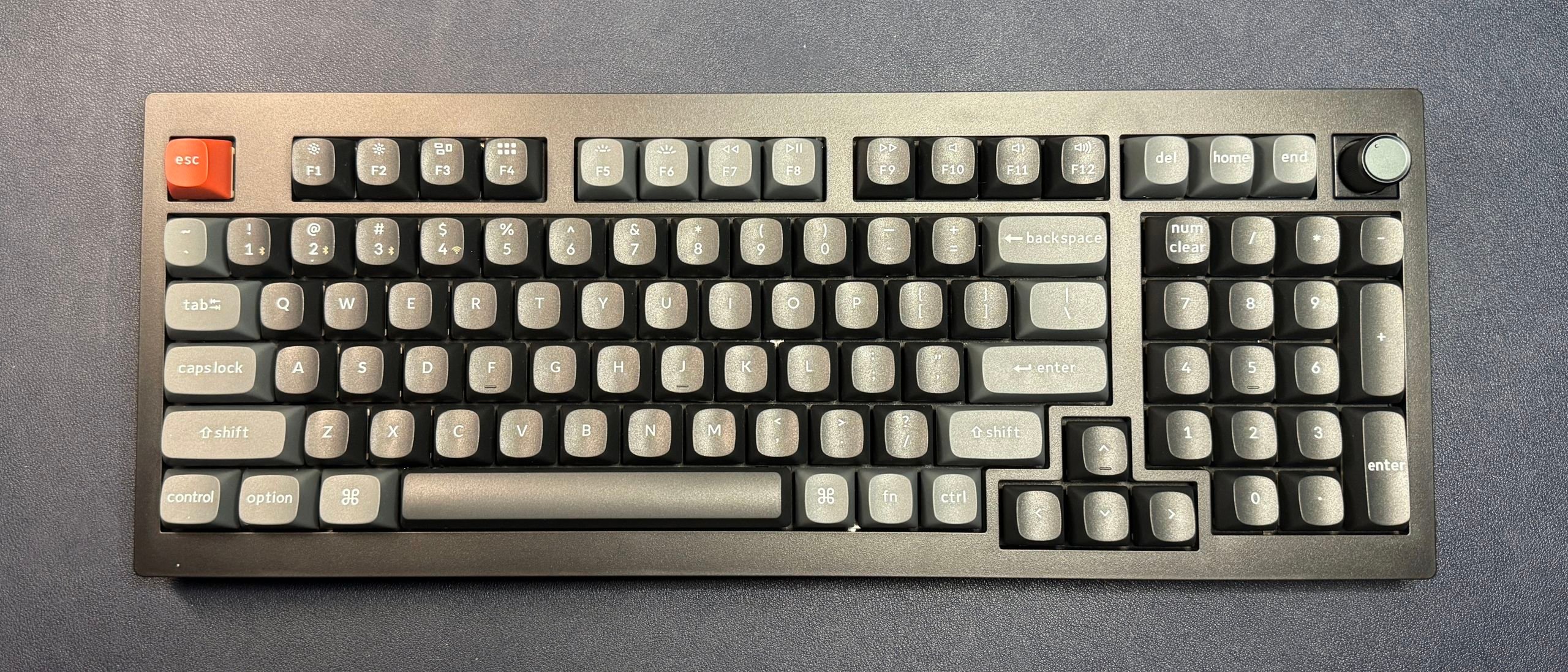
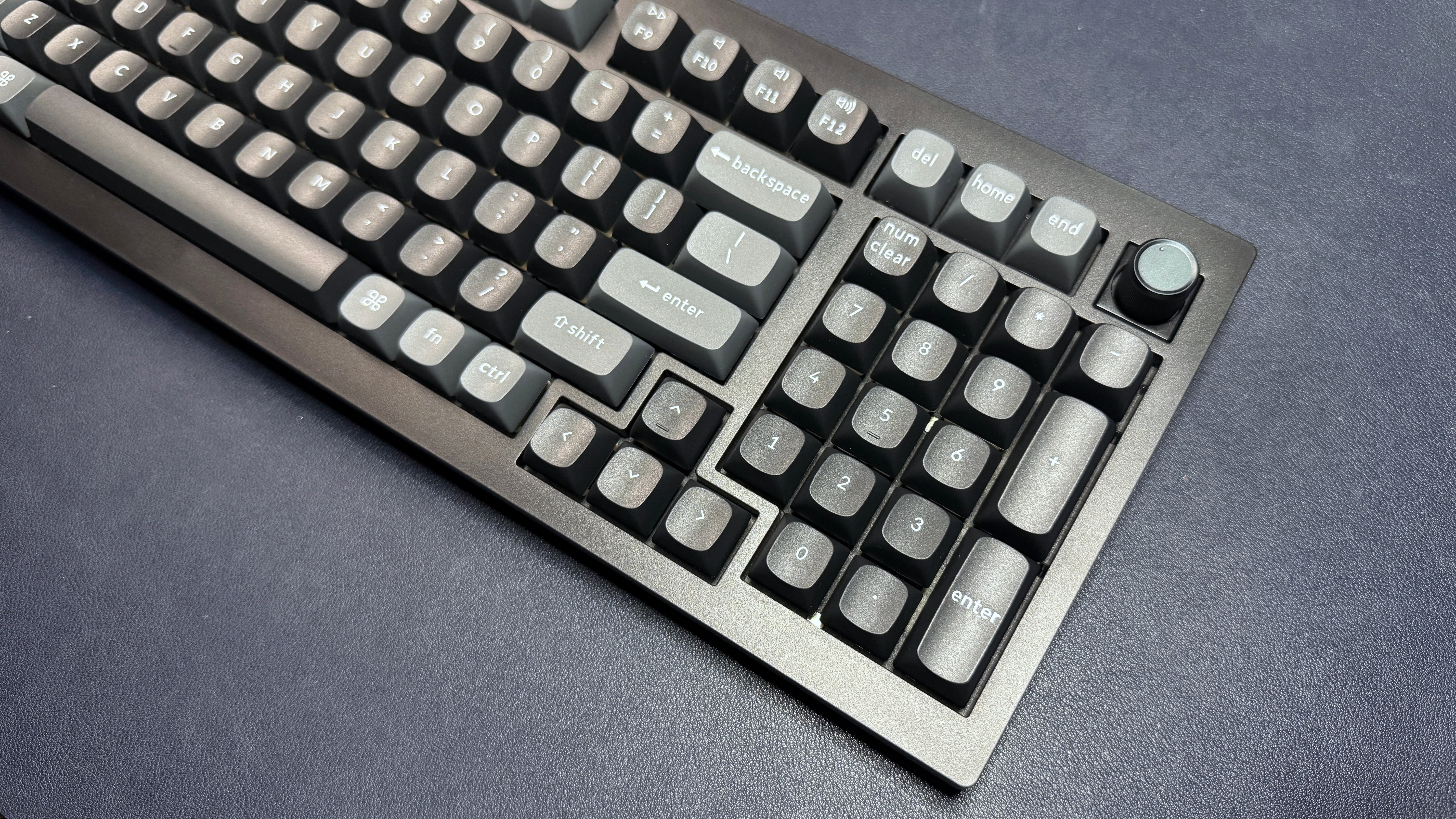
The keyboard's compact 96-percent layout further optimizes manufacturing by reducing the overall footprint while maintaining functionality. This design choice minimizes material usage without sacrificing essential keys, contributing to the cost-effectiveness of the final product.
Competitive Semiconductor Landscape
The V5 Ultra 8K enters a market space where semiconductor capabilities directly differentiate products. Competing models like the Asus ROG Strix Morph Wireless and Strix Scope II 96 Wireless offer different trade-offs in their semiconductor implementations:
- The ROG Strix Morph matches the V5 Ultra 8K's layout and hot-swappable features but lacks the 8K polling rate, suggesting a less powerful microcontroller architecture.
- The Strix Scope II 96 Wireless likely incorporates a more premium build quality, possibly using metal components that increase both material and manufacturing costs.
The price difference between these models ($120 for the V5 Ultra 8K versus $140 for the ROG Strix Morph) reflects the value proposition of the V5 Ultra 8K's semiconductor optimization, delivering comparable or better performance at a lower price point.
Market Implications and Future Directions
The V5 Ultra 8K's success demonstrates a clear market trend toward higher-performance peripherals becoming accessible to mainstream consumers. This democratization of high-spec technology is driven by:
Maturing semiconductor manufacturing: As production processes advance, the cost of implementing high-performance features decreases.
Optimized chip design: Manufacturers are increasingly focusing on efficiency rather than raw performance, enabling better battery life at competitive price points.
Modular component architectures: Hot-swappable designs like the V5 Ultra 8K's allow manufacturers to standardize core components while offering customization options.
For consumers, the V5 Ultra 8K represents an excellent value proposition, delivering features previously found only in premium products. The keyboard's combination of 8K polling rate, exceptional battery life, and hot-swappable capability demonstrates how semiconductor optimization can translate directly to tangible user benefits.
As semiconductor technology continues to advance, we can expect similar performance improvements in other peripheral categories, with higher polling rates becoming standard rather than premium features. The V5 Ultra 8K serves as a benchmark for what's possible when semiconductor design and manufacturing efficiency are prioritized alongside performance.
Comments
Please log in or register to join the discussion