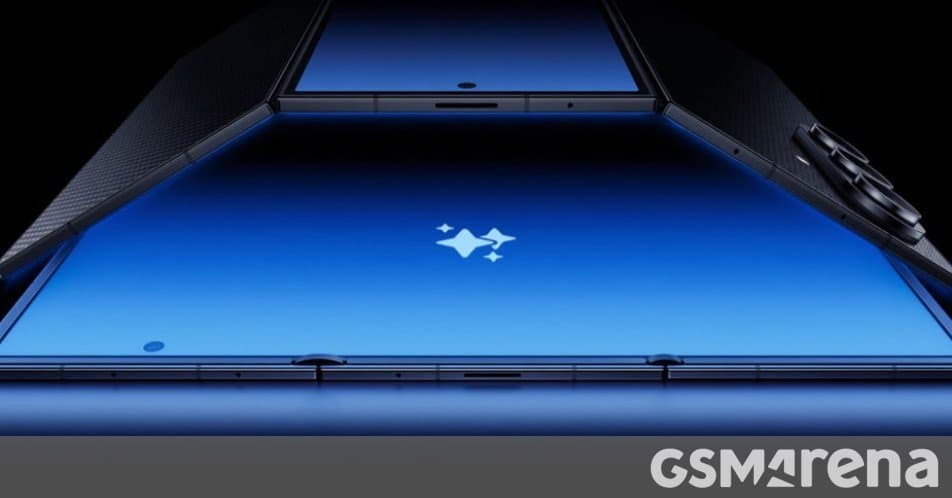
Samsung's experimental triple-fold phone is officially dead in the US market after selling out its final stock, marking the end of an ambitious but troubled device.
The Samsung Galaxy Z TriFold has officially been discontinued in the US market, marking the end of Samsung's most ambitious folding phone experiment to date. The device, which offered a triple-fold design that transformed from a standard smartphone into a tablet-sized display, has now completely sold out and will not be restocked.
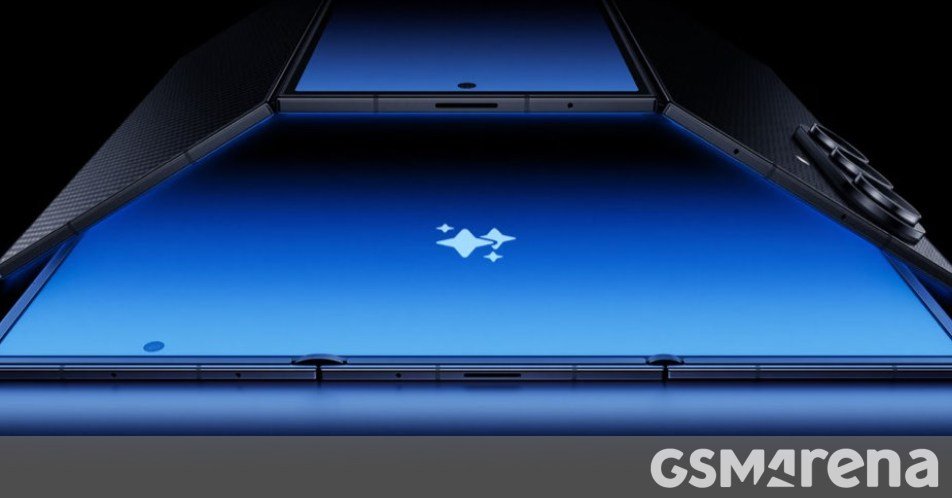
Following its earlier discontinuation in Korea, the US market has now bid farewell to the Galaxy Z TriFold. Samsung's official page for the device now states that the "limited-run Galaxy Z TriFold is now completely sold out," with the company encouraging customers to check back for "upcoming one-of-a-kind innovations" and recommending the Galaxy Z Fold7 or Galaxy S26 Ultra as alternatives.
A Troubled Launch and Short Lifespan
The Galaxy Z TriFold's journey was marked by limited availability and technical challenges from the start. The device launched in Korea in very small quantities, with multiple restocks selling out almost immediately. The US market received the phone even later, with the final restock occurring on April 10, 2026. That last batch of devices also sold out quickly, leaving no remaining inventory.
The phone's discontinuation comes as little surprise given the numerous challenges Samsung faced with the device. Early reports indicated significant durability issues, with the complex hinge mechanism and additional fold point creating reliability concerns. The device was also notably thicker and heavier than Samsung's other foldables, making it less practical for everyday use despite its impressive screen real estate.
What Made the TriFold Unique
The Galaxy Z TriFold featured a 6.2-inch cover display, a 6.8-inch main display, and a massive 10.4-inch unfolded screen. This triple-fold design allowed the phone to transform into a tablet-like device, offering productivity features and multitasking capabilities that weren't possible on traditional smartphones or even dual-fold devices like the Z Fold series.
However, this innovation came at a cost. The device was significantly more expensive than other flagship foldables, and the additional complexity introduced new points of potential failure. The hinge mechanism, while innovative, required more moving parts and was more prone to dust and debris ingress compared to simpler folding designs.
The Future of Samsung's Folding Technology
While the original TriFold is dead, Samsung hasn't abandoned the concept entirely. The company is reportedly working on a second-generation model, with rumors suggesting a 2027 release timeline. According to recent leaks, the TriFold 2 could be both thinner and lighter than its predecessor, addressing some of the major criticisms of the original design.
Additionally, Samsung is exploring other innovative form factors, including rollable screen technology. A sliding-screen smartphone could offer similar benefits to the TriFold's expanded display without the mechanical complexity of multiple folds. This technology would allow for a more gradual expansion of screen size while potentially improving durability.
Alternative Options from Samsung
For customers interested in large-screen Samsung devices, the company recommends two excellent alternatives:
Galaxy Z Fold7 - Starting at €1,046 for the 256GB model, this dual-fold device offers a 7.6-inch main display and a 6.2-inch cover screen. It maintains the tablet-like experience of the TriFold but with a more refined and reliable design.
Galaxy S26 Ultra - Starting at €1,049 for the 256GB model, this traditional flagship offers a massive 6.8-inch display with Samsung's best camera system and S Pen support. While it doesn't fold, it provides excellent productivity features in a more conventional form factor.
Industry Implications
The TriFold's failure highlights the challenges of pushing folding phone technology beyond its current limits. While dual-fold devices like the Z Fold series have found a niche market, the additional complexity and cost of triple-fold designs may be too much for mainstream consumers.
However, the experiment wasn't entirely unsuccessful. The TriFold pushed the boundaries of what's possible with flexible displays and helped Samsung refine its folding technology. Many of the innovations developed for the TriFold, including improved hinge mechanisms and display materials, will likely find their way into future Samsung devices.
As the folding phone market continues to evolve, Samsung's willingness to experiment with radical designs like the TriFold demonstrates the company's commitment to innovation. Even though this particular experiment has ended, it paves the way for future breakthroughs in mobile device design.
The Galaxy Z TriFold may be gone, but its legacy as Samsung's most ambitious folding phone experiment will likely influence mobile device design for years to come.
Comments
Please log in or register to join the discussion