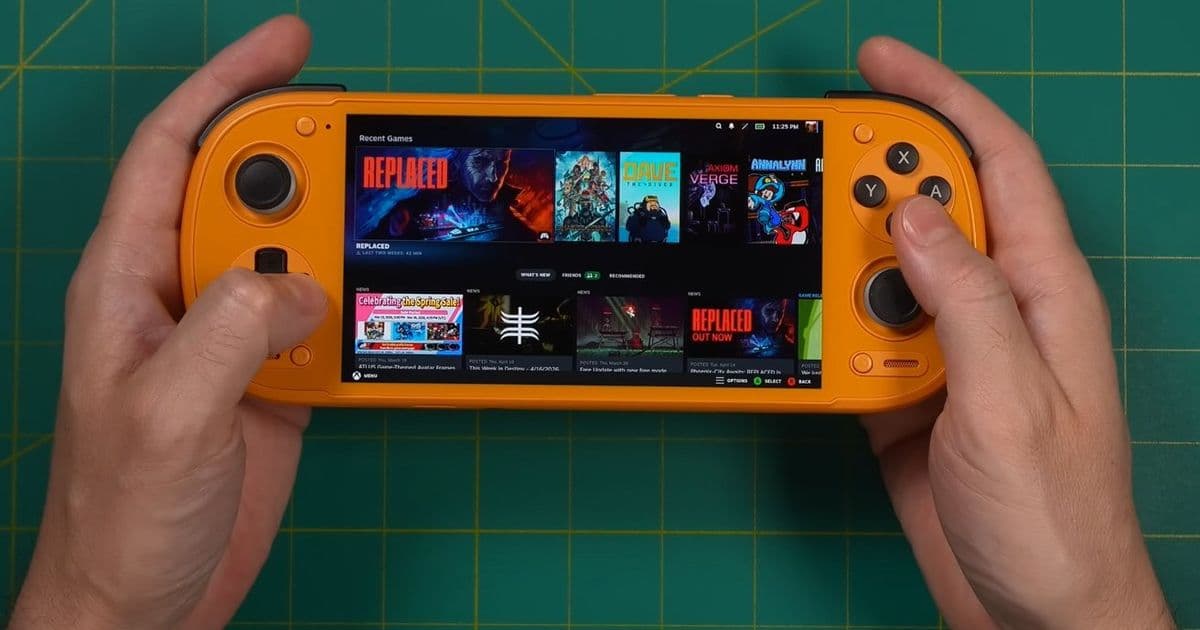
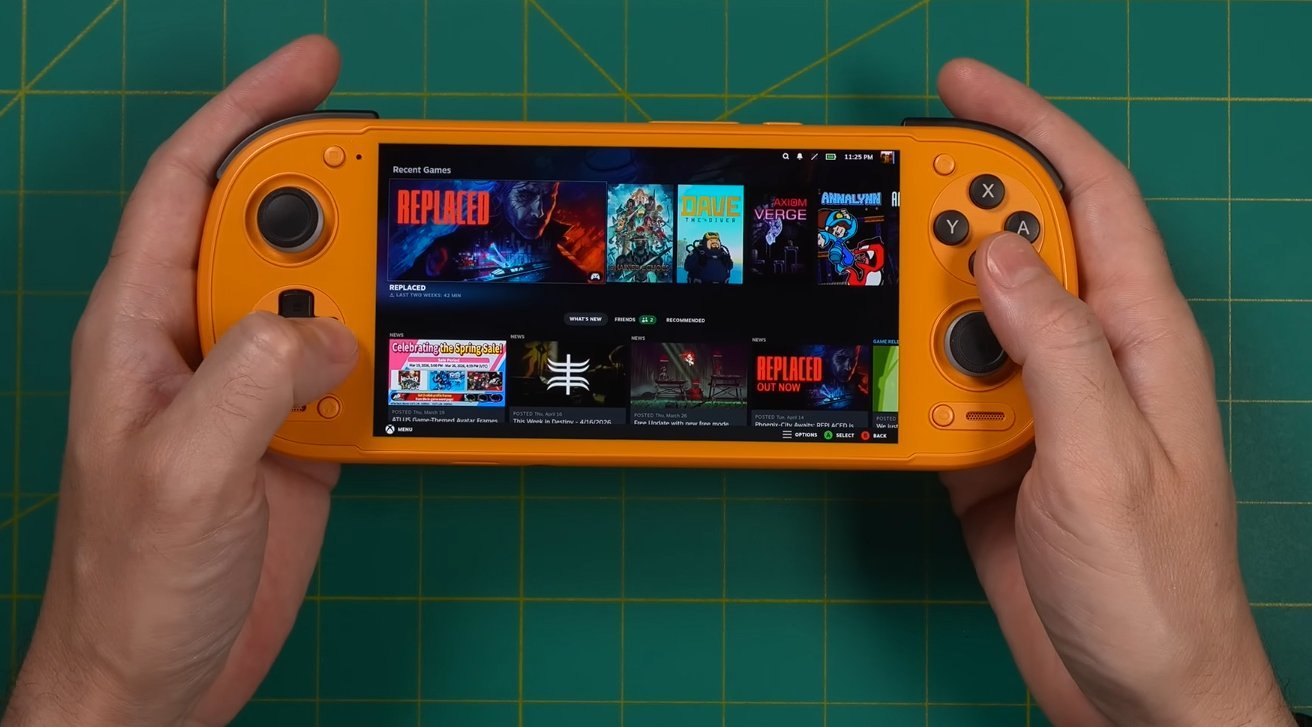
ROCKNIX brings Steam gaming to Android handhelds through Linux, leveraging Valve's Proton and FEX technologies to run Windows games on Arm-based devices.
The line between PC and mobile devices continues to blur as Linux gaming expands to Android handheld consoles. A new development from the ROCKNIX team has made it possible to run Steam and play PC games on handheld devices that were originally designed to run Android, marking a significant shift in how we think about mobile gaming platforms.
This convergence isn't entirely surprising given recent trends in computing. Apple's MacBook Neo demonstrates how Arm-based processors, traditionally associated with mobile devices, can now outperform many mid-range Windows laptops. Qualcomm has been pushing aggressively into the laptop market with its Snapdragon processors, while emulation technologies have made it increasingly feasible to run x86 applications on Arm architecture.
The Technical Foundation: Proton and FEX
The breakthrough enabling this functionality comes from Valve's ongoing work in cross-platform gaming. The company has been developing Proton software since before the Steam Deck's launch, allowing Windows games to run on Linux systems. More recently, Valve has funded development of FEX, which enables x86 games to run on Arm-based processors.
Last week marked a significant milestone with the release of Proton 11 beta 1, which integrates Proton and FEX technologies. This combination allows Windows games designed for x86 architecture to run on devices with Arm processors that are running Linux. While this advancement is particularly relevant for Valve's upcoming Steam Frame VR headset with a Qualcomm Snapdragon processor, the technology is already being leveraged by third-party solutions.
ROCKNIX: Bringing Steam to Android Handhelds
ROCKNIX, a Linux-based gaming operating system, has integrated Steam support into its software for handheld game consoles. Once installed on a supported device, Steam appears as an option in the EmulationStation menu, allowing users to play PC games alongside classic console games through the same interface.
This integration represents a clever approach to expanding the capabilities of existing hardware. Rather than requiring users to purchase new devices, ROCKNIX enables them to unlock PC gaming potential in hardware they may already own.
Compatibility and Performance Considerations
However, this solution isn't without limitations. The ROCKNIX Wiki notes several important caveats:
- Games requiring NVIDIA RTX graphics "may not work"
- Some DirectX 12 games may fail to boot, though various tweaks might help
- Performance varies significantly based on the device's processor capabilities
- Not all Arm-based Android handhelds are compatible
For optimal performance, users will want to use relatively powerful models with higher-performance processors. The experience will naturally vary based on the specific hardware configuration.
The Non-Destructive Installation Advantage
One of ROCKNIX's most appealing features is its non-destructive installation approach. Users can install ROCKNIX to an SD card and boot from that, leaving the original Android operating system intact. This approach significantly reduces the risk associated with trying beta software on expensive hardware.
While performance may be better when overwriting the device's internal storage, the SD card installation method provides a safer entry point for experimentation. This flexibility is particularly valuable given that ROCKNIX is still in its early phases.
The Broader Implications
This development represents more than just a technical curiosity. It demonstrates how the boundaries between computing platforms are becoming increasingly permeable. A device designed for mobile gaming can now access the vast library of PC games, effectively transforming its capabilities without hardware modifications.
The convergence of mobile and PC gaming platforms could have significant implications for the handheld gaming market. Devices that were once limited to Android games and emulators can now potentially access Steam's extensive catalog, dramatically expanding their utility and value proposition.
Getting Started
For those interested in exploring this functionality, the process involves installing ROCKNIX on a compatible handheld device. The software's ability to run from an SD card makes experimentation relatively low-risk, though users should still be aware they're working with beta software that may have stability issues.
The success of this approach will likely depend on continued improvements in compatibility and performance, as well as broader support for Arm-based devices in the gaming ecosystem. As these technologies mature, we may see more handheld devices designed with this dual-purpose capability in mind.
This development represents an exciting frontier in mobile gaming, where the distinction between console, mobile, and PC gaming continues to erode, offering users more flexibility and choice in how they access and play games.
Comments
Please log in or register to join the discussion