Intel's recent layoffs have triggered a wave of Linux kernel maintainer departures, leaving critical drivers orphaned and raising questions about open-source sustainability.
The Linux kernel's MAINTAINERS file has undergone significant changes as Intel's 2025 restructuring continues to ripple through the open-source community. Longtime Intel Linux engineer Dave Hansen has sent out a new round of patches today, marking several departures and orphaned drivers that highlight the human cost of corporate restructuring on critical open-source infrastructure.
The Human Impact Behind the Code
The departures aren't just abstract changes in a text file. Kanchana Sridhar, who had worked at Intel since 1992 (with only a brief interlude at Synopsys in the late 2000s), was involved in Linux IAA accelerator efforts. Her email now bounces, leaving one less maintainer for the IAA crypto driver. While at least two Intel engineers remain there, the loss of someone with nearly three decades of experience represents a significant knowledge gap.
Isaac Hazan's departure in September has orphaned the Thunderbolt DMA traffic test driver entirely. Hazan was the sole maintainer for this testing driver that handles Thunderbolt DMA traffic, and now no one is maintaining the code. This orphaned driver could potentially affect developers working on Thunderbolt-related features or testing DMA security.
Altera's Independence Creates New Challenges
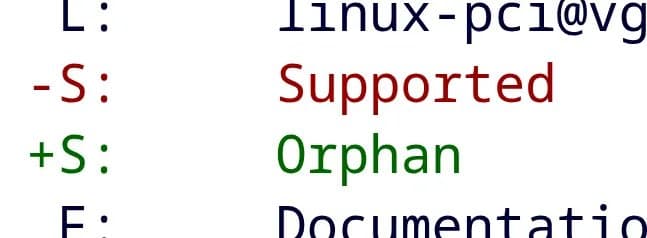
Perhaps most significantly, the Altera drivers have been orphaned following Intel's decision to sell a 51% controlling stake in Altera to Silver Lake private equity firm last year. This move effectively made Altera an independent organization, but the Linux kernel maintainers didn't make the transition automatically.
The orphaned Altera drivers include:
- Altera PCIe IP driver
- PCI MSI driver
These drivers, which handle critical hardware functionality for Altera devices, now lack upstream maintainers. This situation creates uncertainty for users and developers working with Altera hardware in Linux environments.
Broader Implications for Linux Development
Beyond the specific driver changes, there's a broader pattern emerging. An Intel engineer who served as a code reviewer for the Mediatek T7XX 5G WWAN modem driver is no longer at the company. While this might seem like a minor change, code reviewers play a crucial role in maintaining code quality and ensuring proper integration of new features.
One of the Keem Bay DRM driver maintainers has also left Intel, though the specific impact of this departure isn't detailed in the current patch set.
The Maintenance Challenge
These changes reflect a "routine cycle" of checking which Linux @intel.com email addresses are now bouncing, but the cumulative effect is concerning. The Linux kernel relies heavily on corporate sponsorship for maintenance of drivers and subsystems, and when companies undergo restructuring, the open-source projects they support can be left in limbo.
The IAA crypto driver situation is particularly telling - while at least two maintainers remain, the loss of experienced contributors like Sridhar means the remaining team must absorb additional responsibilities without the benefit of institutional knowledge that comes from decades of experience.
Looking Forward
For the Linux community, these changes serve as a reminder of the fragility of open-source maintenance when dependent on corporate backing. The orphaned drivers will need new maintainers to step up, whether from other companies, independent developers, or the original hardware vendors now operating independently.
The Altera situation is especially interesting, as it represents a case where a hardware vendor became independent but didn't automatically inherit the open-source maintenance responsibilities. This could set a precedent for how similar spin-offs handle their Linux support going forward.
As the Linux kernel continues to evolve, the community will need to adapt to these changes, finding new maintainers for orphaned drivers and ensuring that critical hardware support doesn't lapse due to corporate reorganizations beyond the control of open-source developers.
Comments
Please log in or register to join the discussion