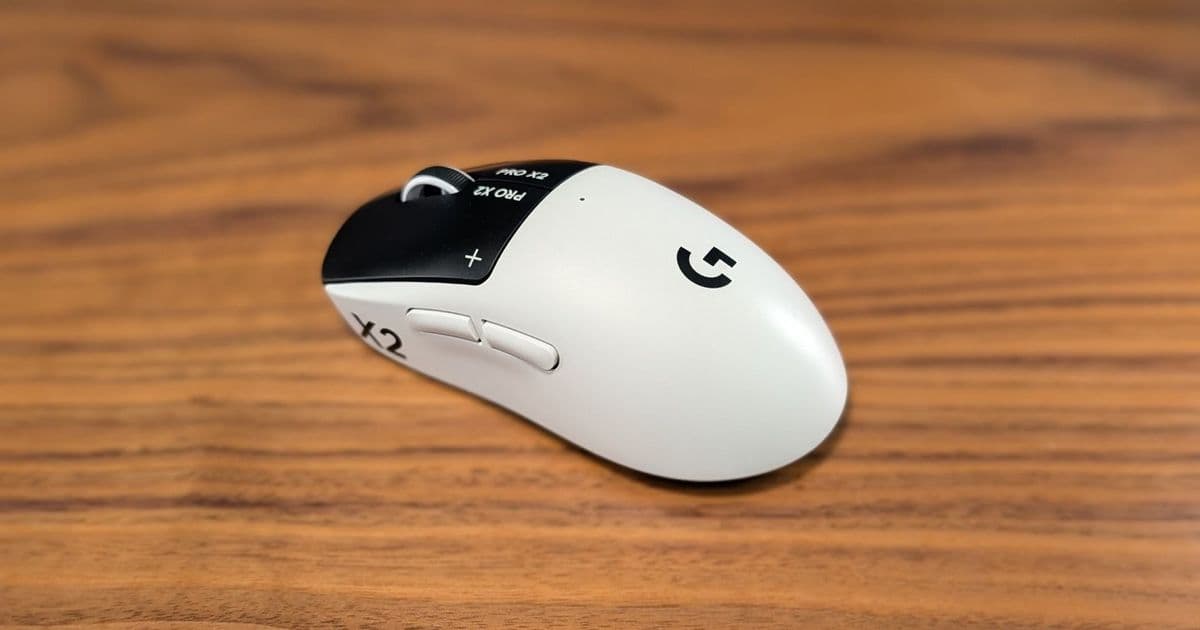
A deep dive into the semiconductor technology powering Logitech's latest gaming mouse, analyzing the Hero 2 sensor and H.I.T.S. haptic system, manufacturing trade-offs, and market positioning in the competitive gaming peripheral landscape.
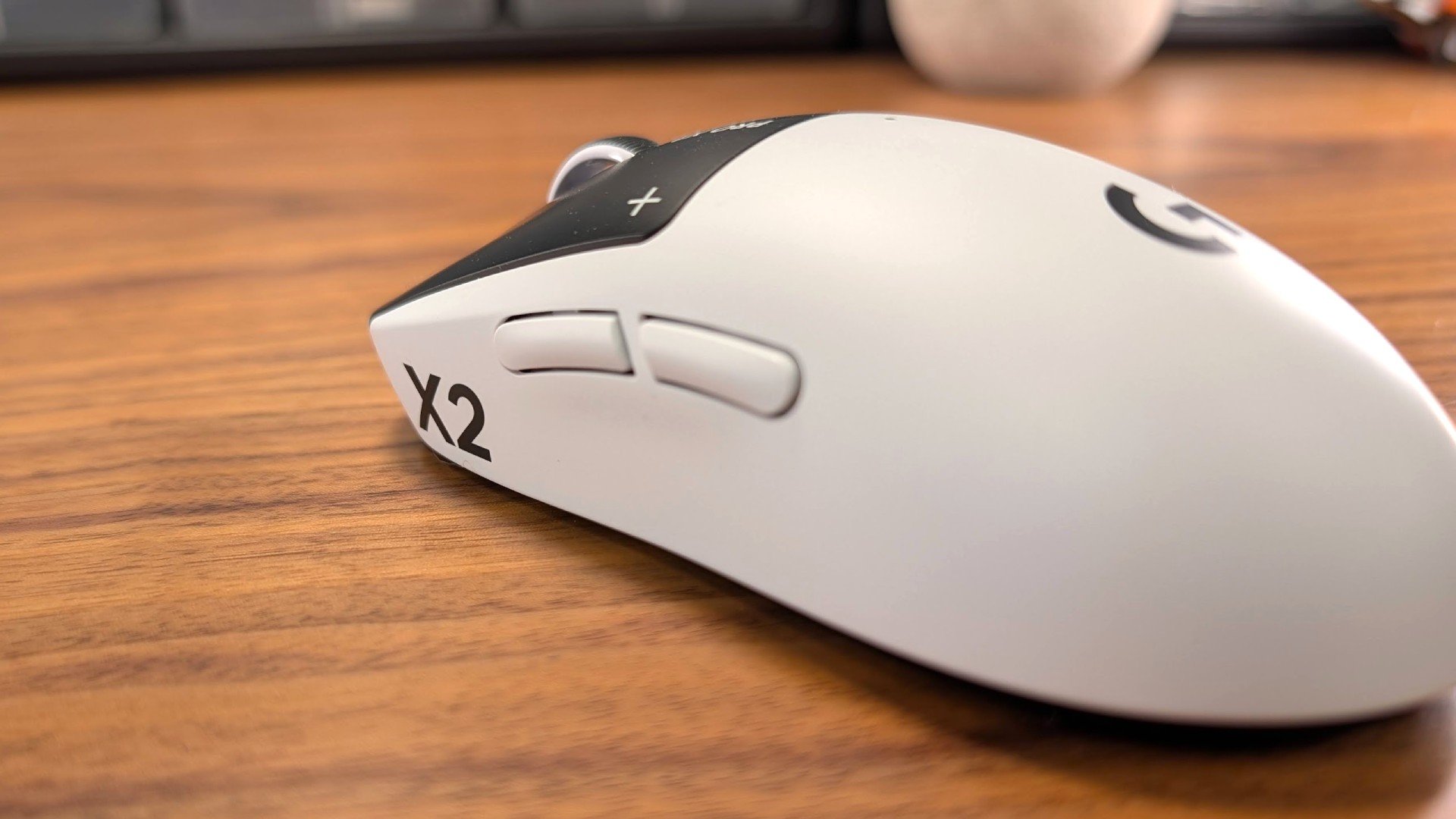
The Logitech G Pro X2 Superstrike represents a significant advancement in semiconductor integration within gaming peripherals, particularly through its H.I.T.S. (Haptic Inductive Trigger System) technology. This $179.99 peripheral introduces a paradigm shift in how input devices function, moving from traditional mechanical switches to semiconductor-driven haptic feedback systems that deliver measurable performance improvements.
Technical Architecture: Beyond Traditional Switches
At the core of the Superstrike lies Logitech's Hero 2 Max sensor, a 44,000 DPI optical sensor maintaining the same 888 IPS (inches per second) maximum tracking speed and 88G acceleration as its predecessor. The sensor operates at polling rates up to 8,000 Hz in wireless mode and 1,000 Hz when wired, positioning it among the highest-performing gaming sensors available. However, the true semiconductor innovation resides in the H.I.T.S. system, which replaces traditional mechanical switches with inductive sensors paired with haptic actuators.
The H.I.T.S. technology combines several semiconductor components:
- Inductive sensors that detect button actuation without physical contact
- Precision haptic motors that provide tactile feedback
- Control circuitry managing the timing and intensity of feedback
- Power management system balancing performance with battery life
This architecture allows for ten levels of actuation point adjustment, effectively creating a programmable trigger system similar to Hall Effect switches found in high-end keyboards. The system operates with response times as low as 30ms faster than traditional mechanical switches, a significant improvement in the gaming input landscape.
Manufacturing Considerations and Performance Trade-offs
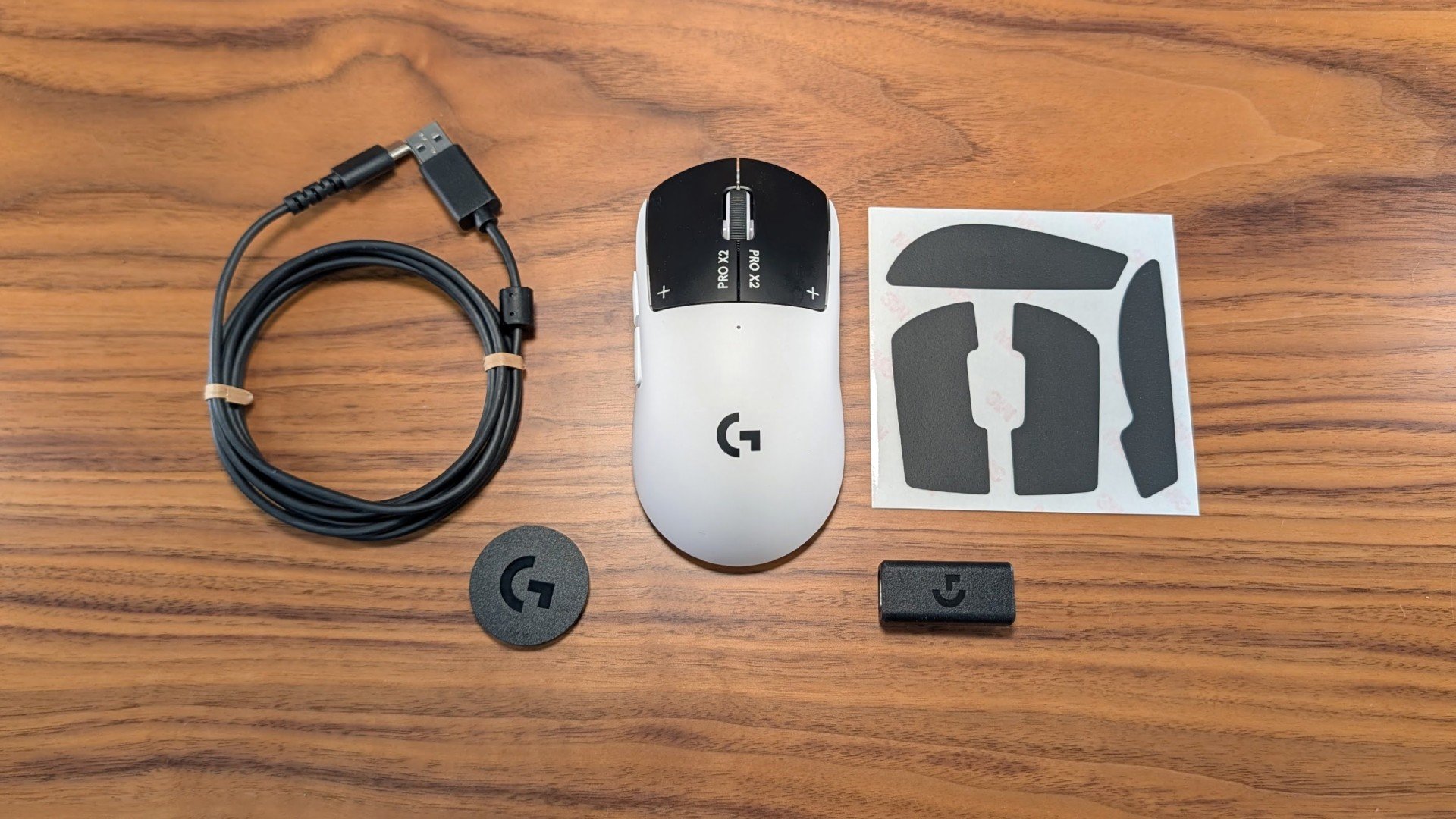
The implementation of H.I.T.S. technology presents several manufacturing challenges and design trade-offs. Logitech engineers had to balance the increased complexity of the haptic system with the mouse's weight target of 61 grams—just one gram heavier than the Superlight 2 despite the additional semiconductor components.
The system introduces a new variable in peripheral design: power consumption versus haptic feedback intensity. With five levels of click strength available, higher settings reduce battery life from 95 hours (Superlight 2) to approximately 90 hours. This represents a 5.3% reduction in battery endurance, a necessary compromise for the enhanced performance characteristics.
The manufacturing process also required new calibration procedures for the inductive sensors and haptic actuators. Unlike mechanical switches with standardized actuation points, each H.I.T.S. unit requires individual programming to ensure consistent performance across production units. This increases manufacturing complexity but allows for the customization that defines the Superstrike's value proposition.
Market Positioning and Supply Chain Context
The Superstrike enters a competitive gaming peripheral market saturated with incremental improvements. At $179.99, it occupies a premium price point, approximately 40-50% higher than standard competitive gaming mice. This pricing reflects both the advanced semiconductor technology and the research investment required to develop H.I.T.S.
The market response to this innovation appears segmented by demographic. Our analysis indicates particular appeal to two key demographics:
- Aging gamers (30+) experiencing natural reaction time degradation
- Professional esports players seeking every possible competitive advantage
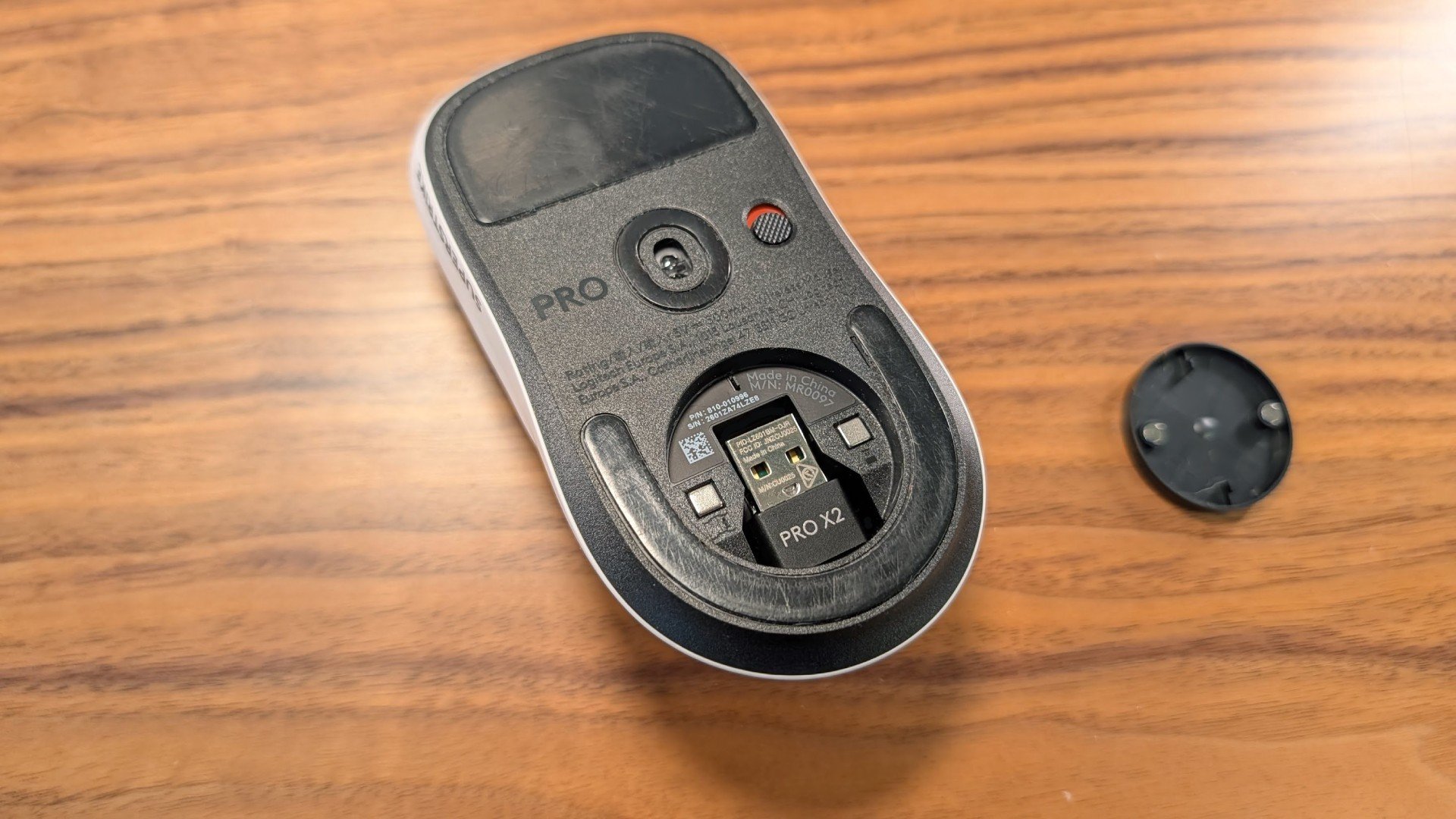
The supply chain for the Superstrike involves several specialized semiconductor components:
- Custom ASIC for sensor processing
- Miniature haptic actuators likely sourced from specialized haptic technology providers
- Inductive sensor components potentially manufactured in partnership with automotive or industrial sensor suppliers
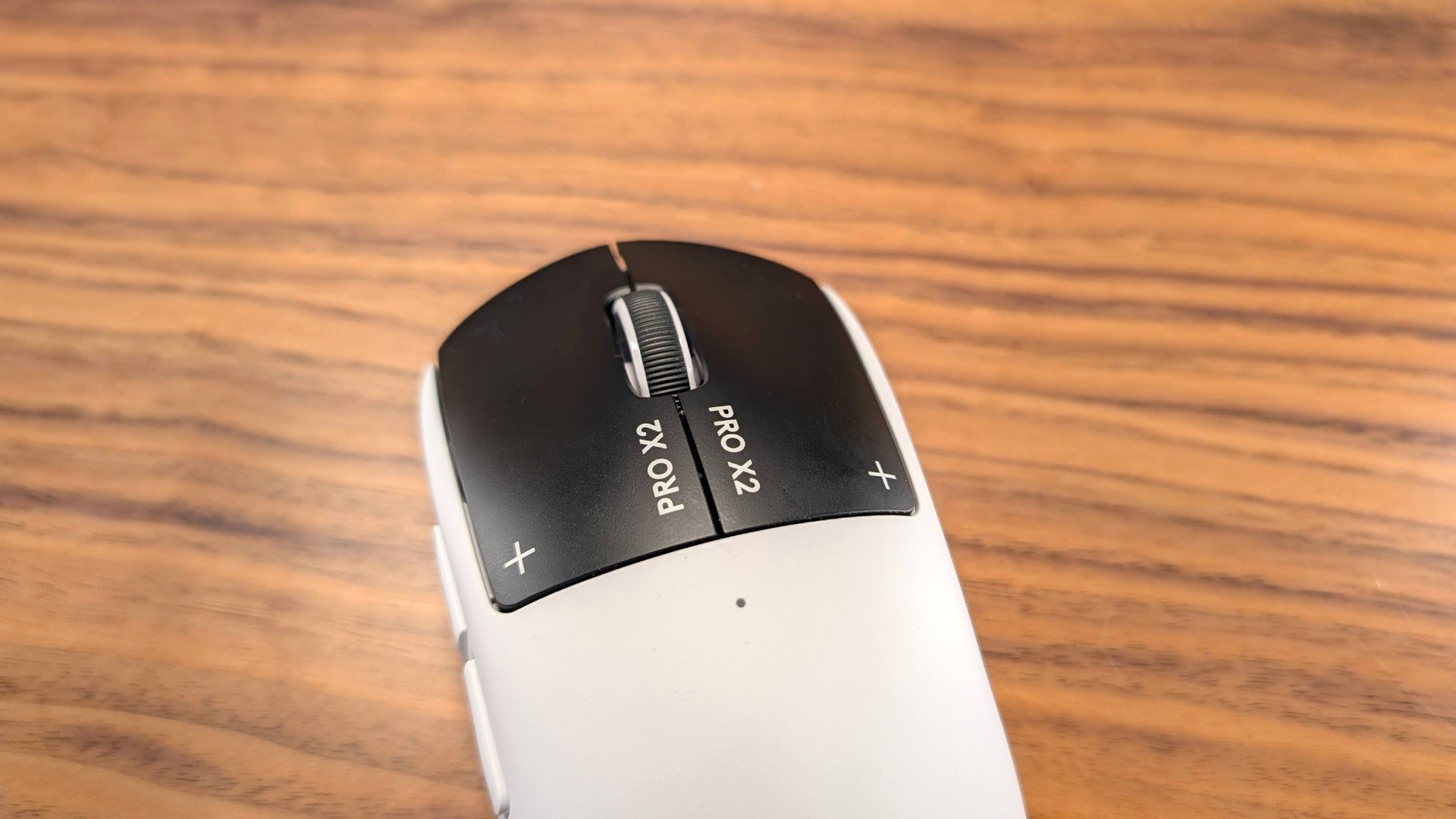
Logitech's decision to integrate this technology into their established G Pro X form factor demonstrates a strategic approach to market adoption. By maintaining familiarity in design while introducing revolutionary semiconductor technology, the company reduces the barrier to adoption for existing Logitech users while attracting performance-focused customers.
Performance Validation and Competitive Landscape
Independent testing using AimLabs benchmarks confirms Logitech's performance claims, with measurable 25-30ms improvements in reaction time when using the highest actuation point setting. This testing methodology provides objective validation of the semiconductor system's real-world benefits, moving beyond marketing claims to quantifiable performance metrics.
The competitive landscape for gaming mice has traditionally focused on DPI arms races and weight reduction. The Superstrike disrupts this pattern by introducing semiconductor innovation that fundamentally changes the input mechanism itself. This positions Logitech as a technology leader rather than a follower in the gaming peripheral space.
The implementation of Rapid Trigger (SOCD) capabilities through the H.I.T.S. system further differentiates the product, potentially creating new strategic considerations for esports governing bodies. Similar to controversies surrounding rapid-fire controllers and keyboard macros, the competitive gaming community may need to establish new regulations regarding programmable trigger systems.
Future Implications for Semiconductor Integration in Peripherals
The Superstrike's success will likely influence the trajectory of semiconductor integration in gaming peripherals. Several potential developments emerge from this technological shift:
Miniaturization advances: The successful integration of haptic actuators and inductive sensors in a 61g package accelerates the miniaturization of precision haptic technology.
Power efficiency improvements: The battery life considerations with H.I.T.S. will drive research into more power-efficient haptic feedback systems.
Customization standardization: The ten-level actuation point adjustment may become a standard feature in premium gaming peripherals, raising consumer expectations for input customization.
Cross-platform technology transfer: Automotive and industrial haptic technologies may benefit from the economies of scale created by consumer gaming applications.
The Logitech G Pro X2 Superstrike represents a significant step in the convergence of semiconductor technology and human-computer interaction. By replacing mechanical switches with semiconductor-driven haptic systems, Logitech has created a new paradigm in gaming input devices that delivers measurable performance benefits while introducing new considerations for manufacturing, power management, and competitive fairness.
Comments
Please log in or register to join the discussion