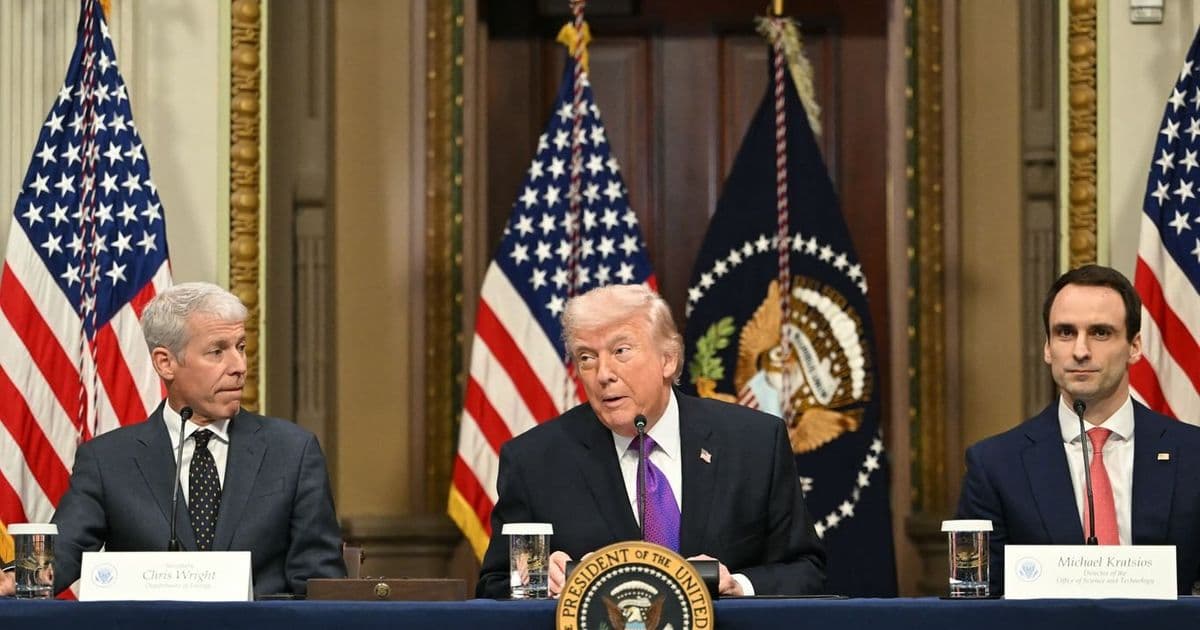
Tech companies commit to managing AI energy consumption as Trump administration pushes for energy dominance.
The Trump administration has secured a pledge from major technology companies to contain the power costs associated with artificial intelligence development, addressing growing concerns about the energy-intensive nature of AI infrastructure.
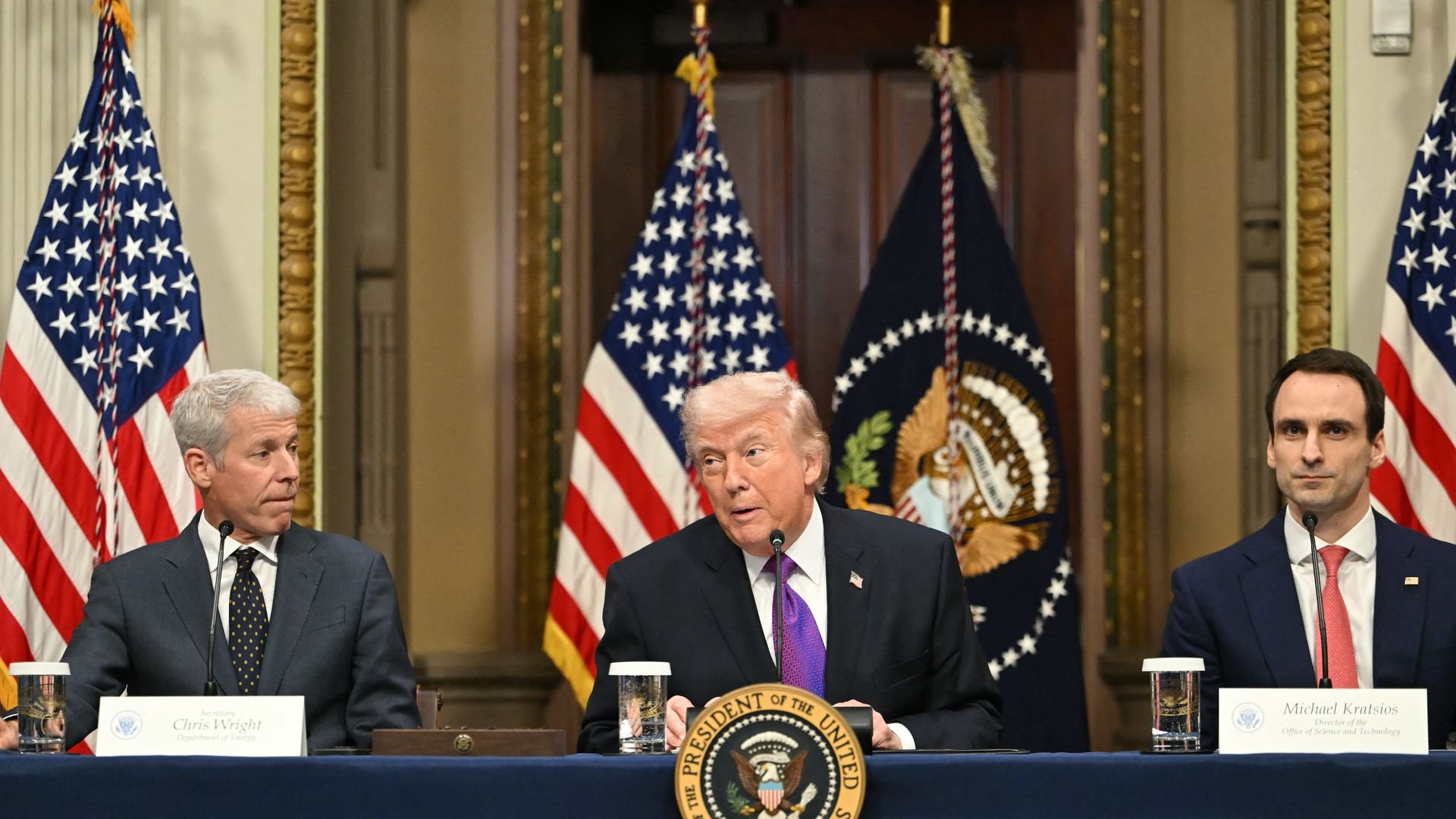
Energy Secretary Chris Wright and science adviser Michael Kratsios joined President Trump at Wednesday's event to announce the industry commitment. The pledge comes as AI data centers and computing facilities are projected to dramatically increase electricity demand across the United States.
The Power Problem
AI systems, particularly large language models and advanced machine learning algorithms, require massive computational resources. Training a single large AI model can consume as much electricity as 100 American homes use in an entire year. As companies race to develop more sophisticated AI systems, the energy consumption curve has become unsustainable without intervention.
The data center industry already accounts for approximately 2-3% of global electricity consumption, and AI is accelerating this growth. Industry analysts project that AI-related power demand could increase by 160% by 2030 if current trends continue unchecked.
Industry Response
Major tech companies including Google, Microsoft, Amazon, and Meta have committed to implementing energy efficiency measures and investing in renewable energy sources to offset their AI power consumption. The companies have outlined several strategies:
- Advanced cooling systems that reduce energy waste in data centers
- Hardware optimization through specialized AI chips that consume less power
- Renewable energy partnerships to ensure clean power sources
- Demand response programs that adjust energy usage during peak periods
"We recognize the responsibility that comes with scaling AI infrastructure," said a spokesperson for one major tech company. "Our commitment is to ensure that AI development proceeds in an environmentally sustainable manner."
Political Context
The pledge aligns with the Trump administration's "energy dominance" agenda, which seeks to position the United States as a global leader in both energy production and technological innovation. The administration views AI as a critical competitive advantage that must be developed domestically while managing its resource implications.
Energy Secretary Wright emphasized that the pledge demonstrates how technological advancement and environmental responsibility can coexist. "American innovation doesn't have to come at the expense of our energy security or environmental stewardship," Wright stated at the event.
Economic Implications
The energy cost containment pledge has significant economic implications. AI infrastructure represents a massive capital investment, and energy costs can account for up to 70% of a data center's operational expenses. By committing to efficiency improvements, tech companies aim to make AI development more economically viable while addressing regulatory and public concerns about energy consumption.
Investors have responded positively to the pledge, viewing it as a proactive approach to managing what could become a major constraint on AI growth. The commitment may also help tech companies navigate potential future regulations around energy consumption and carbon emissions.
Technical Challenges
Despite the optimistic tone of the pledge, significant technical challenges remain. Current AI models are inherently inefficient, with estimates suggesting that only 10-20% of the energy consumed actually contributes to useful computation. The rest is lost to heat, data movement, and computational overhead.
Researchers are working on more efficient AI architectures, but progress is incremental. The tension between model capability and energy efficiency represents one of the fundamental challenges in AI development.
Looking Forward
The success of this pledge will depend on implementation and verification. Industry watchdogs and environmental groups have called for transparent reporting on energy consumption and third-party audits to ensure companies follow through on their commitments.
As AI continues to transform industries from healthcare to finance to manufacturing, the energy question will remain central to its development trajectory. The Trump administration's deal with tech giants represents an attempt to address this challenge proactively, but the long-term effectiveness remains to be seen.
The pledge marks a significant moment in the intersection of technology policy, energy management, and economic competitiveness. How effectively the tech industry can contain AI power costs will likely influence the pace and scale of AI adoption across the American economy.
Comments
Please log in or register to join the discussion