
Apple's new MacBook Neo laptop matches the M4 Mac mini's $499 education price, offering students a portable option with display and keyboard included.
Apple has expanded its education lineup with the new MacBook Neo, which joins the M4 Mac mini as the company's second Mac available for $499 to students and educators. The MacBook Neo represents Apple's most aggressive pricing move for a laptop, undercutting the previous entry point by $500.

At $599 retail (or $499 for education customers), the MacBook Neo packs surprising specifications for its price point. The base model includes a 13-inch display, 256GB of storage, 8GB of RAM, and Apple's A18 Pro chip—the same processor that powers the iPhone 16 Pro. This chip choice reflects Apple's strategy of leveraging its mobile silicon across product lines to maintain competitive pricing.
For students needing more storage, Apple offers a 512GB configuration with Touch ID for an additional $100, bringing the education price to $599. The laptop features two USB-C ports, with one dedicated to charging, and promises up to 16 hours of battery life—a specification that could make it particularly appealing for all-day campus use.
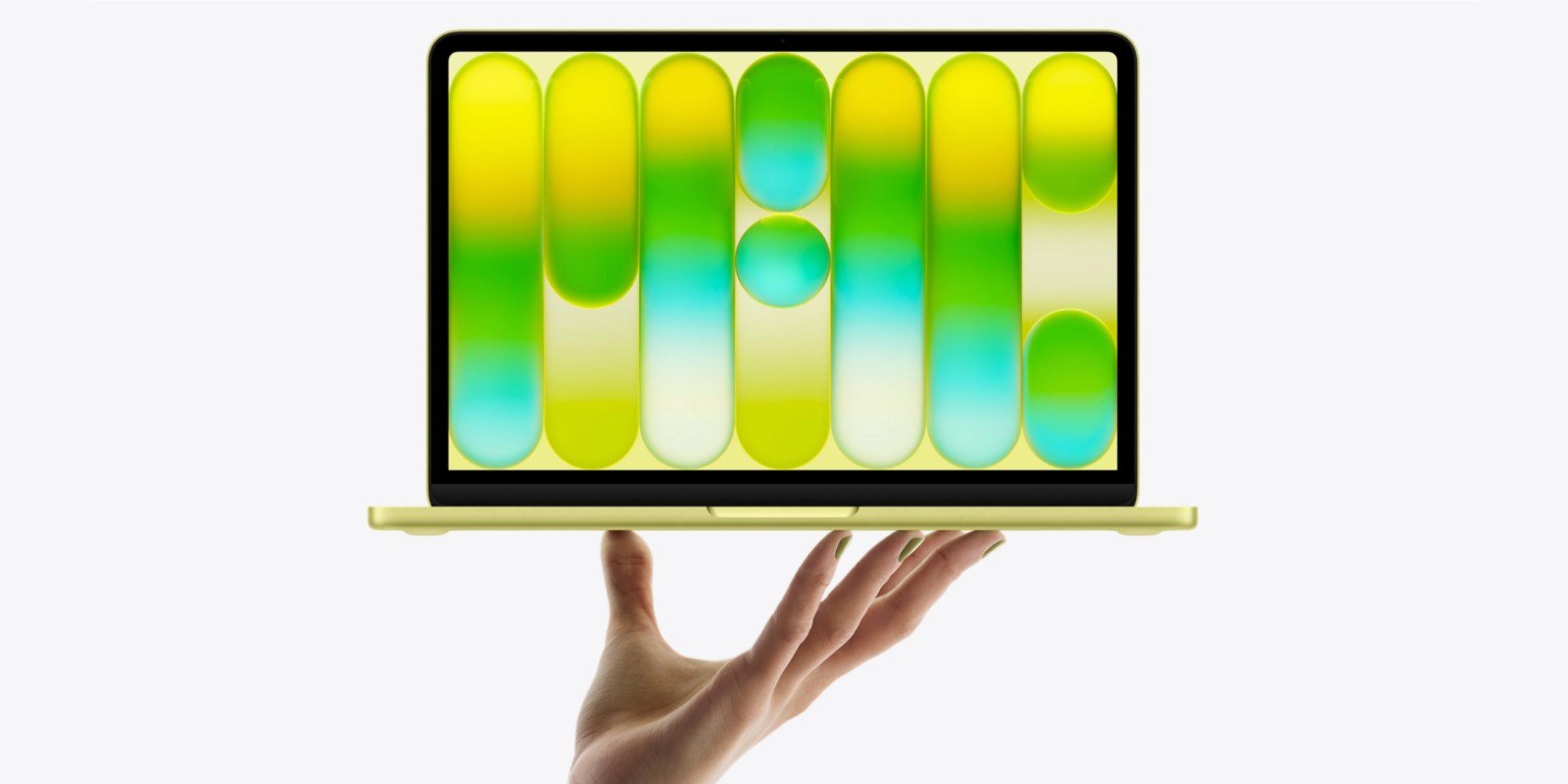
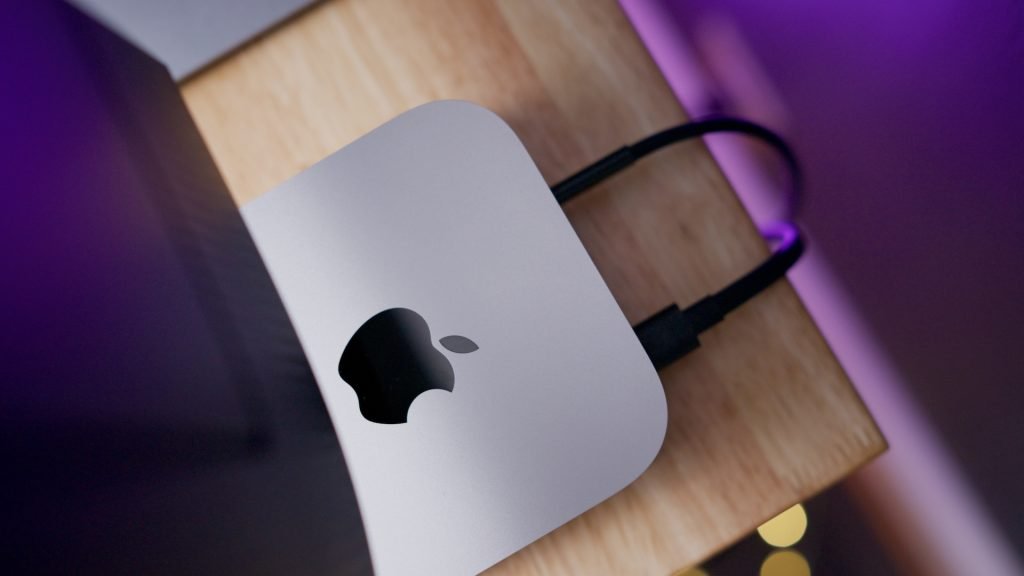
The MacBook Neo's arrival creates an interesting value proposition alongside the M4 Mac mini, which has occupied the $499 education price point since its launch. The Mac mini offers a faster chip, double the RAM at 16GB, and a more comprehensive port selection including three Thunderbolt ports, two USB-C ports, HDMI, and Ethernet. However, it requires users to supply their own display, keyboard, and mouse—components that can add significant cost to the overall setup.

This distinction makes the MacBook Neo particularly compelling for students who prioritize portability and an all-in-one solution. The laptop includes Apple's trackpad and keyboard, eliminating the need for additional peripherals. For students living in dorms or frequently moving between classes, the integrated design offers clear advantages over a desktop setup.
Both Macs retail for $599 outside the education store, though the M4 Mac mini has already seen regular discounts below this price point. The MacBook Neo is likely to follow a similar pattern, with occasional sales making it even more accessible to budget-conscious buyers.
The education pricing strategy reflects Apple's recognition of the competitive landscape in student computing. With Chromebooks dominating K-12 education and Windows laptops offering increasingly capable options at lower price points, Apple's $499 offerings provide a gateway to its ecosystem without the premium typically associated with Mac hardware.
For students deciding between the two options, the choice largely comes down to use case. The Mac mini offers more power and expandability for stationary use, while the MacBook Neo provides unmatched portability and convenience. Both represent exceptional value for Apple hardware, particularly in an education context where every dollar counts.
The MacBook Neo's use of the A18 Pro chip also suggests Apple's confidence in its mobile processors' ability to handle everyday computing tasks. While not as powerful as the M-series chips in higher-end Macs, the A18 Pro delivers performance that exceeds most Intel-based Macs from just a few years ago, making it more than capable for typical student workloads including document creation, web browsing, and media consumption.
As Apple continues to expand its education offerings, the $499 price point appears to be a sweet spot for attracting students to the Mac ecosystem. With two distinct form factors now available at this price, Apple has created compelling options for different student needs while maintaining the quality and integration that defines the Mac experience.
Comments
Please log in or register to join the discussion