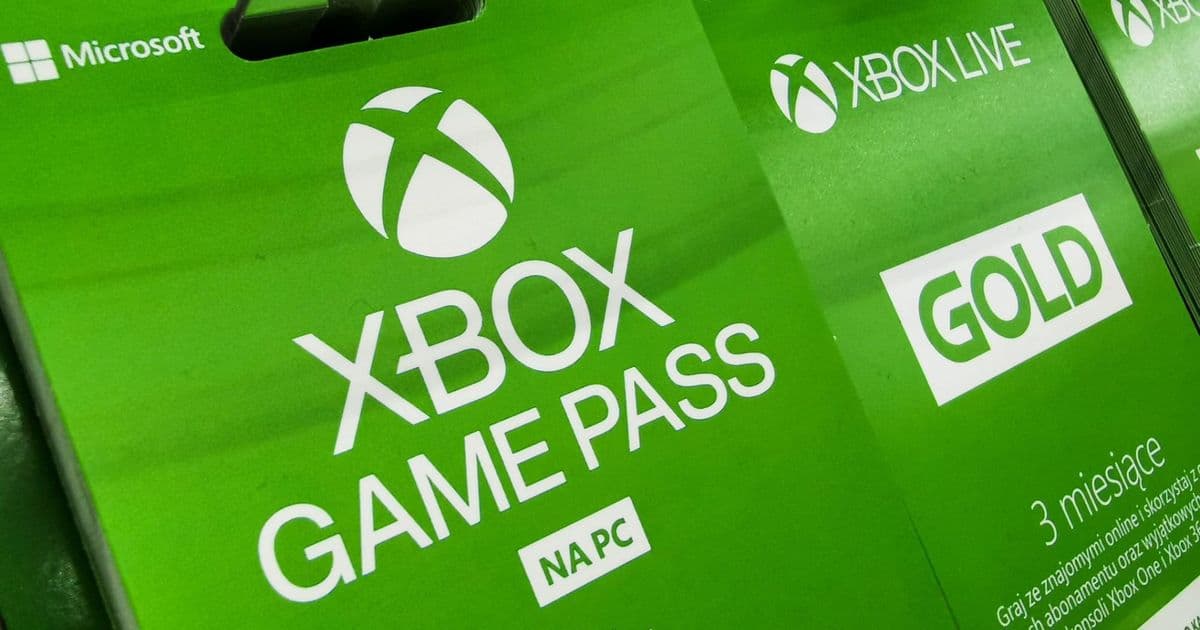
Microsoft reverses years of price hikes with significant Game Pass subscription reductions, dropping Ultimate to $22.99 and PC Game Pass to $13.99 monthly, while removing day-one Call of Duty releases from the service.
Microsoft has executed a dramatic reversal of its recent pricing strategy, announcing substantial cuts to Xbox Game Pass subscription costs while simultaneously ending day-one access to Call of Duty titles. The company revealed today that Game Pass Ultimate will drop from $29.99 to $22.99 per month, while PC Game Pass subscribers will see their monthly fee reduced from $16.49 to $13.99.
This move represents a stark departure from Microsoft's pricing trajectory over the past several years, during which the company implemented multiple price increases across both hardware and subscription services. The Xbox console itself saw two price hikes in 2025 alone, with additional increases to Game Pass occurring in 2024 and 2025 that culminated in a 50% price jump earlier this year.
The Call of Duty Trade-Off
The most significant change accompanying these price reductions is the removal of day-one Call of Duty releases from Game Pass. New CoD titles will now face approximately a one-year delay before appearing on the subscription service. This decision effectively ends what many considered Microsoft's most aggressive value proposition: offering access to the gaming industry's most consistently profitable franchise alongside hundreds of other titles for a monthly fee.
Call of Duty represents a particularly interesting case study in gaming economics. The franchise routinely sells tens of millions of copies annually at $70 per unit, generating potential revenue in the hundreds of millions or even billions of dollars that Microsoft will now recapture through traditional sales rather than subscription inclusion.
Strategic Realignment Under New Leadership
These changes coincide with the appointment of Asha Sharma to lead Microsoft's gaming division. Sharma's background in Core AI represents an unconventional choice for gaming leadership, suggesting Microsoft may be pursuing a broader technological integration strategy beyond traditional console gaming.
The timing of these announcements appears deliberate, coming after months of speculation about Xbox's future viability. The console has consistently trailed PlayStation in market share, and the series of price increases had led many industry observers to question whether Microsoft was preparing to wind down its gaming hardware business.
Market Context and Consumer Response
The price reductions arrive at a critical juncture for Microsoft's gaming strategy. The 2025 price increases, particularly the 50% hike implemented without additional benefits, triggered significant consumer backlash. Reports indicated that cancellation volumes were so high that Microsoft's systems struggled to process the volume of requests.
By reducing prices while accepting the loss of day-one CoD access, Microsoft appears to be attempting to balance subscriber acquisition with revenue optimization. The company seems to have determined that a larger subscriber base at lower prices, minus the most expensive day-one content, represents a more sustainable long-term model than a smaller, more expensive subscriber pool with premium day-one access.
Industry Implications
This pricing strategy shift could have ripple effects throughout the gaming industry. Game Pass has long been viewed as a potential disruptor to traditional game sales models, and Microsoft's recalibration suggests the economics of subscription gaming may be more complex than initially anticipated.
The decision to delay rather than eliminate CoD from Game Pass entirely indicates Microsoft still sees value in the subscription model for its tentpole franchises, just not at the immediate release window. This approach allows the company to monetize both subscription and traditional sales channels while potentially driving Game Pass adoption through the promise of eventual access to major releases.
For existing subscribers, the price cuts represent immediate financial relief, though the CoD change will disappoint those who specifically subscribed for day-one access to the franchise. New subscribers will find the service more competitively priced against alternatives like PlayStation Plus and individual game purchases.
Microsoft's gaming division now faces the challenge of communicating this nuanced value proposition to consumers: lower prices and maintained day-one access for most games, but delayed access to its most valuable franchise. The success of this strategy will likely determine whether Xbox can reverse its market share decline and establish Game Pass as a sustainable long-term business model in an industry still dominated by traditional game sales.
The coming months will reveal whether this represents a genuine strategic pivot or merely a temporary adjustment in Microsoft's broader gaming ambitions. With new leadership at the helm and a more consumer-friendly pricing structure in place, Xbox appears to be betting that accessibility and value will ultimately prove more compelling than premium pricing and exclusive day-one content.
Comments
Please log in or register to join the discussion