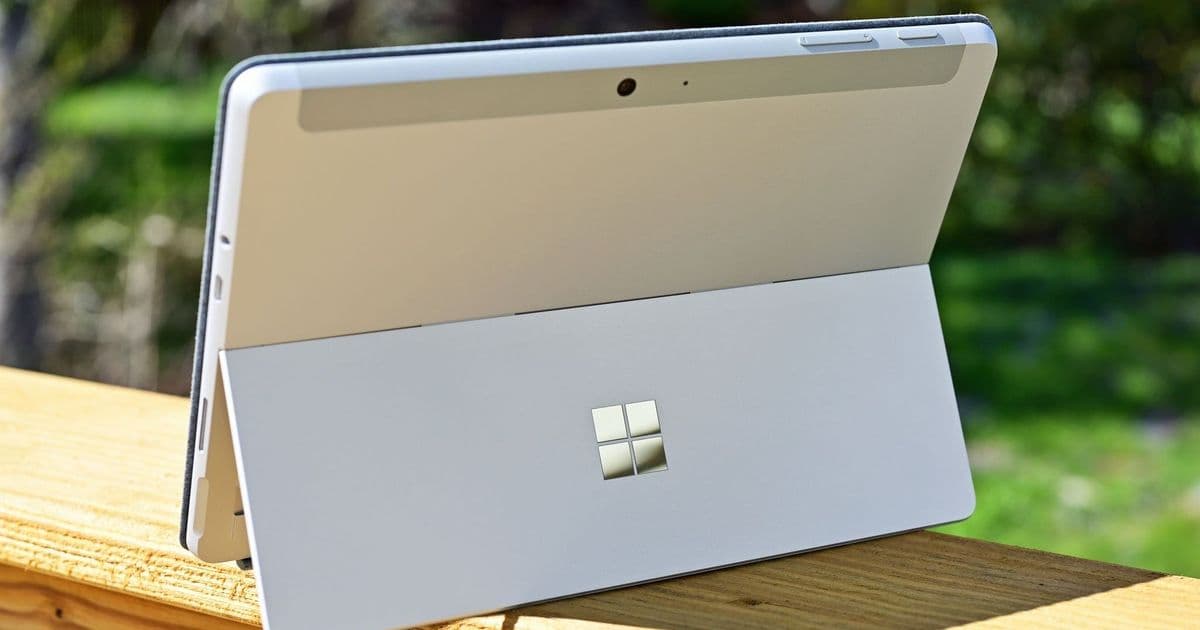
Microsoft has increased prices on its Surface Laptop 7 and Surface Pro 11 by $500 compared to their 2024 launch prices, citing higher memory and component costs as the driving factor behind the significant price hike.
Microsoft has implemented substantial price increases across its Surface PC lineup, with the Surface Laptop 7 and Surface Pro 11 now costing $500 more than their launch prices in 2024. The company attributes these significant price hikes to rising memory and component costs, marking a notable shift in strategy for Microsoft's premium hardware offerings.
The price adjustments affect some of Microsoft's most popular Surface devices, with the Surface Laptop 7 and Surface Pro 11 seeing the largest increases. This represents a considerable jump for consumers who may have been considering these devices as alternatives to other premium laptops and tablets in the market.
Microsoft's decision to raise prices comes amid broader industry challenges related to component costs and supply chain pressures. The company has not specified which particular components have driven the price increases, though memory costs have been a persistent issue across the tech industry in recent years.
This pricing strategy shift may impact Microsoft's competitive positioning in the premium device market, where the Surface lineup competes directly with Apple's MacBook and iPad Pro lines, as well as high-end Windows laptops from other manufacturers. The $500 price increase represents a significant premium that could influence purchasing decisions for both individual consumers and enterprise customers.
Industry analysts note that this price increase could be particularly impactful given the current economic climate, where many consumers are already facing budget constraints. The timing of these increases may affect Microsoft's ability to maintain market share in the premium device segment.
Microsoft has not indicated whether these price increases will be temporary or if they represent a new pricing baseline for future Surface devices. The company's hardware division has historically operated with relatively thin margins, making it particularly sensitive to component cost fluctuations.
For existing Surface customers, the price increases may create a stronger incentive to maintain and upgrade their current devices rather than purchasing new ones. This could potentially impact Microsoft's device refresh cycles and overall hardware revenue in the coming quarters.
The Surface lineup has been a key part of Microsoft's hardware strategy, serving as both a showcase for Windows capabilities and a direct competitor to Apple's ecosystem. The price increases may force Microsoft to emphasize other value propositions, such as integration with Microsoft 365 services or unique features that differentiate Surface devices from competitors.
Enterprise customers, who represent a significant portion of Surface sales, may need to reassess their device procurement strategies in light of these price increases. Many organizations operate on fixed technology budgets, and the additional $500 per device could represent a substantial increase in total cost of ownership.
Microsoft's pricing decision also comes at a time when the company is investing heavily in AI capabilities across its product lineup. The additional revenue from these price increases could potentially fund further AI development and integration into Surface devices and other Microsoft products.
Competitors in the premium device market may view this as an opportunity to capture price-sensitive customers who might be deterred by the higher Surface prices. However, Microsoft's strong brand recognition and ecosystem integration may help mitigate some of the potential customer loss.
The timing of these price increases is particularly noteworthy given Microsoft's recent announcements about expanding its AI capabilities and opening new offices in key markets like London. The company appears to be balancing multiple strategic priorities, including hardware pricing, AI development, and global expansion.
For consumers considering a Surface purchase, the price increases may create a sense of urgency to buy before prices potentially rise further. However, potential buyers should also consider whether the current Surface models meet their needs or if waiting for future iterations might be more advantageous.
Microsoft's decision to implement such significant price increases suggests that the company views the Surface lineup as a premium offering where customers are willing to pay for the brand and ecosystem benefits. This strategy aligns with Apple's approach to premium pricing but may represent a departure from Microsoft's traditional value-oriented positioning in some market segments.
The impact of these price increases on Microsoft's overall hardware revenue and market share will likely become clearer in the coming quarters as sales data becomes available. The company's ability to maintain its competitive position while charging premium prices will be a key factor in the success of this pricing strategy.
As the tech industry continues to navigate component cost pressures and economic uncertainty, Microsoft's price increase may signal similar moves from other hardware manufacturers. The Surface price hike could be an early indicator of broader pricing trends in the premium device market.
For now, consumers and businesses considering Surface devices will need to weigh the additional $500 cost against the benefits of Microsoft's ecosystem and the specific features offered by the Surface lineup. The decision to pay the premium will likely depend on individual needs, budget constraints, and the perceived value of the Surface experience.
Comments
Please log in or register to join the discussion