
JPMorgan's massive datacenter expansion in New Jersey secured $77 million in tax breaks despite promising only one permanent job, raising questions about the true cost-benefit of such subsidies.
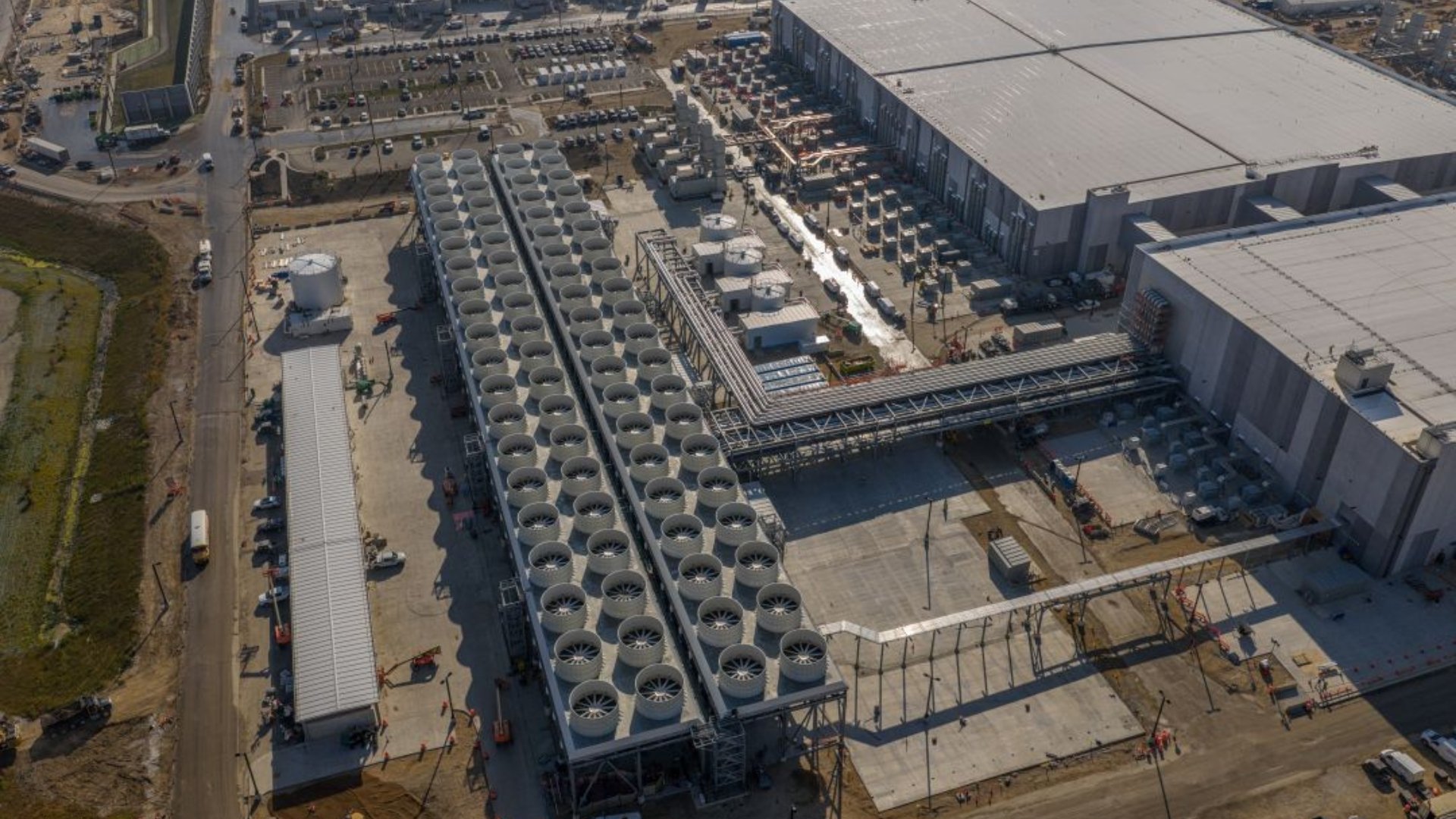
JPMorgan's datacenter expansion in Orangeburg, New Jersey has become a lightning rod for criticism after securing $77 million in tax breaks despite promising to create just one permanent job. The deal, which represents the largest subsidy-to-jobs ratio in the country, has reignited debates about the true economic impact of massive datacenter projects and the transparency of public-private partnerships.

The Numbers Behind the Deal
The expansion project, which involves a $1 billion investment in the existing facility, received its tax breaks in the form of sales tax exemptions. This structure is particularly valuable for datacenter projects, where the initial capital expenditure involves purchasing millions of dollars worth of servers, networking equipment, and cooling infrastructure. The $77 million represents approximately 8% of the total project cost.
The tax break structure allocates $40 million to benefit the state directly, with the remaining $37 million going to local municipalities. This distribution highlights the complex web of financial incentives that often accompany large-scale infrastructure projects.
Context: A Pattern of Subsidies
What makes this deal particularly striking is that it's not JPMorgan's first foray into tax incentives for this facility. The company previously secured $35 million in tax benefits for the pre-expansion datacenter, which currently employs just 25 permanent on-site workers. This means the total subsidy package for the facility now approaches $112 million.
Orangeburg has emerged as a datacenter hub, hosting 10 projects across four locations. The concentration of these facilities in one area has led to both economic opportunities and environmental concerns, particularly when projects are proposed near sensitive areas like drinking water reservoirs.
The Economic Argument
Steve Porath, executive director of the Rockland County Industrial Development Agency (IDA), defends the deal by taking a broader view of economic impact. While acknowledging the seemingly absurd "one job for $77 million" metric, Porath argues that this measurement is outdated and fails to capture the full picture.
Porath projects that the expansion will infuse $100 million into the local economy and create 1,400 temporary construction jobs during the buildout phase. He also notes that the JPMorgan site was previously "laden with asbestos," suggesting the project has environmental remediation benefits beyond pure economic considerations.
The Transparency Question
One of the most troubling aspects of this deal is the apparent lack of public scrutiny. Despite the massive public investment involved, few people attend the IDA meetings where these agreements are discussed. These meetings are ostensibly open forums available to anyone interested in the decision-making process.
The New York Focus, which broke the story, points out that while strong protests against datacenters have mounted in many other locations, the Orangeburg project has faced relatively little organized opposition. This raises questions about whether the public is adequately informed about the terms and implications of such deals.
The Broader Datacenter Debate
This controversy comes amid growing concerns about the rapid expansion of datacenters across the United States. These facilities, essential for cloud computing, AI processing, and digital infrastructure, consume enormous amounts of energy and water while often providing relatively few permanent jobs compared to their physical footprint and resource consumption.
The JPMorgan deal exemplifies a pattern where tech giants and financial institutions leverage their economic power to secure substantial public subsidies for private infrastructure. While proponents argue these investments create economic ripple effects and position regions for future growth, critics question whether the public is getting fair value for its investment.
Looking Forward
As AI and cloud computing continue to drive demand for datacenter capacity, communities across the country will likely face similar decisions about balancing economic development with fiscal responsibility. The Orangeburg case suggests that greater transparency and public engagement in the subsidy approval process may be necessary to ensure these deals serve the broader public interest.
The JPMorgan expansion serves as a cautionary tale about the need for comprehensive cost-benefit analysis that goes beyond job creation numbers to consider environmental impact, long-term economic benefits, and the opportunity costs of massive tax breaks. As datacenters become increasingly critical to our digital infrastructure, the question of who bears the cost—and who reaps the benefits—will only grow more important.
Comments
Please log in or register to join the discussion