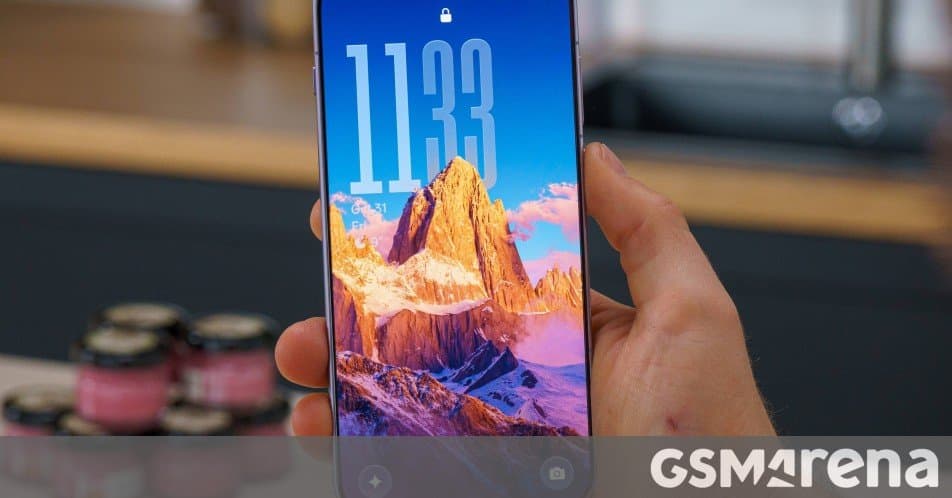
Industry insider suggests upcoming flagship smartphones will see approximately 20% price increase due to rising component costs, potentially setting a new standard for premium device pricing.
The mobile tech world is abuzz with concerning news about potential pricing for three highly anticipated flagship smartphones. According to prolific leaker Digital Chat Station (DCS) on Weibo, the upcoming OnePlus 16, iQOO 16, and Redmi K100 Pro Max will all be priced at CNY 5,000 for their base 12GB RAM/256GB storage configuration. This represents a significant departure from their predecessors and could signal a new pricing era for premium Android devices.
The Numbers Behind the Rumor
The leaked pricing information indicates that all three devices will carry a starting point of CNY 5,000, which currently translates to approximately $725. While this might seem reasonable compared to flagship pricing in Western markets, it's essential to contextualize this within China's mobile market where devices typically carry lower price points.
Comparing this to their predecessors reveals the true magnitude of the potential increase:
- OnePlus 15: Started at CNY 4,000
- Redmi K90 Pro Max: Started at CNY 4,000
- iQOO 15: Started at CNY 4,100
This represents a roughly 20% price increase across the board, a substantial jump that could redefine consumer expectations for value in the flagship segment. For perspective, the current global pricing for these devices shows the OnePlus 15 at €852.75/£829.00 for the 256GB/12GB model, while the iQOO 15 is priced at ₹72,999 in India.
Technical Specifications Driving Costs
All three devices are expected to be powered by Qualcomm's next-generation Snapdragon 8 Elite Gen 6 chipset, which is rumored to bring significant performance improvements over its already powerful predecessor. The increased cost of this cutting-edge processor appears to be a primary factor in the price hike.
Beyond the processor, the RAM pricing crisis mentioned by DCS continues to impact the industry. Memory costs have fluctuated dramatically in recent years, with supply chain constraints and increased demand contributing to higher prices. This affects not just flagship devices but across the entire smartphone market.
Market Implications and Consumer Impact
If these price increases materialize, they could have several significant effects:
Market Segmentation Shift: The gap between mid-range and flagship devices may widen, potentially pushing more consumers toward premium mid-range options that offer 80-90% of the flagship experience at a lower price point.
Ecosystem Considerations: Higher initial costs could strengthen ecosystem lock-in, as consumers may be more inclined to stick with a brand to maximize the value of their investment through compatible accessories and services.
Global Pricing Effects: Given that Chinese pricing typically serves as a baseline for global markets, consumers in Europe, North America, and other regions should expect similar percentage increases in their local markets.
Competitive Pressure: This pricing trend could force other manufacturers to follow suit, potentially leading to industry-wide premiumization of flagship devices.
Historical Context and Brand Positioning
The rumored price increases come at an interesting time for these brands:
- OnePlus has gradually transitioned from its "flagship killer" positioning to a more premium placement under the BBK Electronics umbrella, which also includes Oppo and Vivo.
- iQOO has established itself as a performance-focused sub-brand of vivo, targeting gamers and power users.
- Redmi under Xiaomi has maintained its value proposition but has been pushing the boundaries of what's possible at lower price points.
The 20% price increase could signal a strategic shift for all three brands as they position their upcoming flagships as even more premium offerings, potentially justifying the higher price with enhanced build quality, camera systems, and display technology.
Consumer Considerations
For consumers planning to purchase one of these devices when they launch in the second half of 2026, several factors should be weighed:
Value Assessment: Evaluate whether the improvements justify the price increase, particularly if camera systems, displays, or battery technology see significant upgrades.
Timing Considerations: Consider waiting for initial reviews and comparisons to understand how these devices stack up against competitors at similar price points.
Ecosystem Benefits: Assess how the devices integrate with existing ecosystems, as the total cost of ownership includes accessories, services, and compatibility with other devices.
Alternative Options: Explore whether previous-generation models or competing brands offer better value, especially as the market becomes increasingly segmented.
As we await official announcements from these manufacturers, the rumored price increases serve as an early indicator of the economic pressures affecting the smartphone industry. Component costs, particularly for advanced chipsets and memory, continue to rise, and these costs are increasingly being passed down to consumers. The coming months will reveal whether these manufacturers can justify the premium pricing with meaningful innovations that enhance the user experience.
Comments
Please log in or register to join the discussion