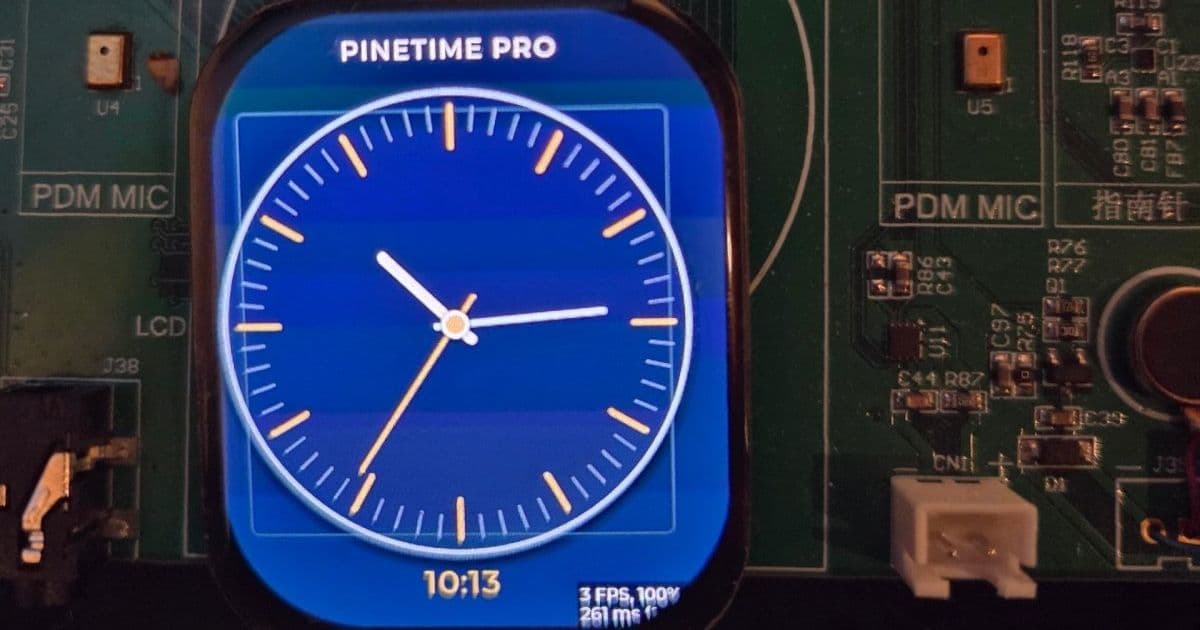
Pine64 unveils PineTime Pro, a next-generation open source smartwatch with AMOLED display, faster processor, and expanded sensors, but software development remains in the hands of the community.
Pine64 is preparing to launch the PineTime Pro, a significantly upgraded successor to its original open source smartwatch that promises to deliver a better display, faster performance, and expanded hardware capabilities for developers and users alike.
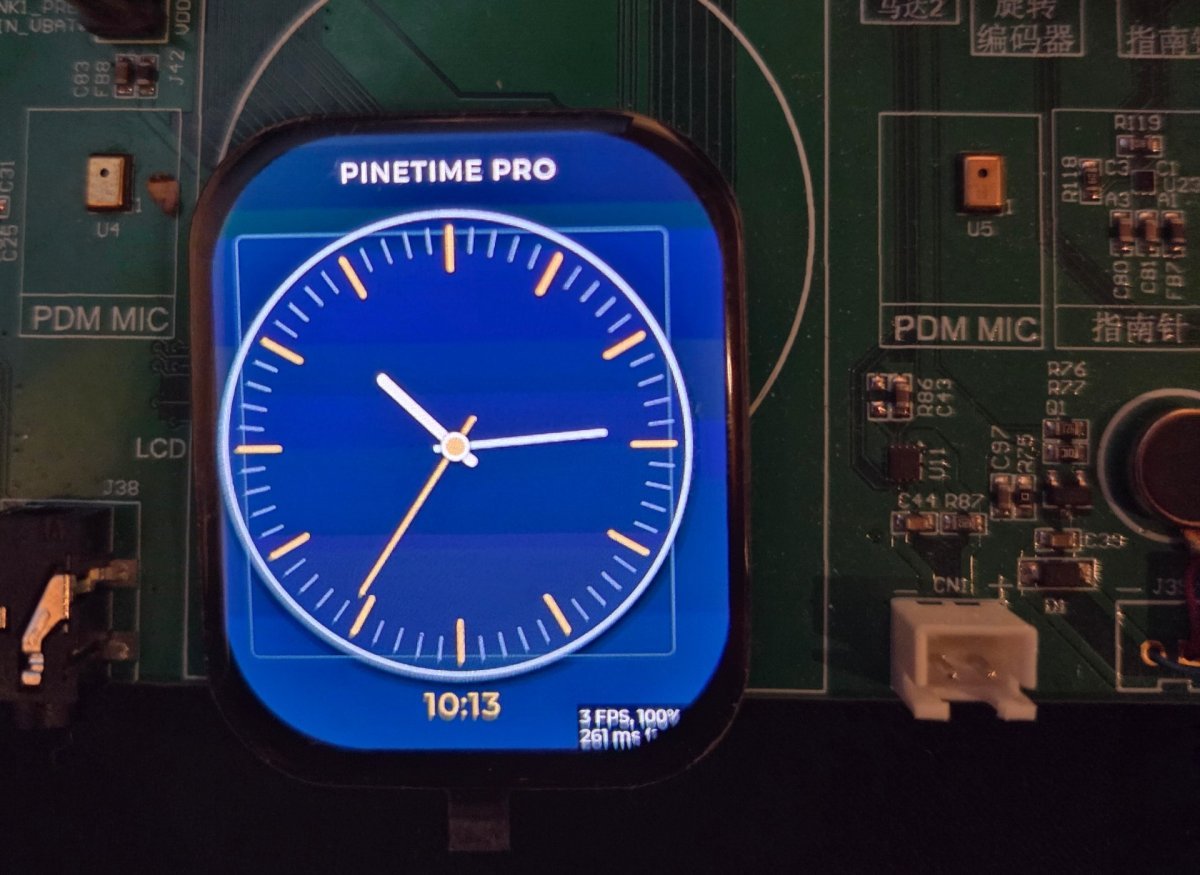
The original PineTime, released over six years ago, has become a popular platform for open source firmware development, selling for just $27. The new PineTime Pro isn't meant to replace the original model, which will continue to be available, but rather to provide a more capable platform for users who want a better screen or support for more complex software.
Hardware Upgrades
The most noticeable change is the display. The PineTime Pro features a 2.13-inch AMOLED screen with a resolution of 410 x 502 pixels, compared to the original's 1.3-inch IPS LCD display at 240 x 240 pixels. This larger, higher-quality screen should provide better visibility and a more modern look.
Under the hood, the hardware improvements are substantial. The new watch uses a custom dual-core Arm Cortex-M33 processor running at up to 200 MHz, with one core dedicated to applications and another for Bluetooth functionality. This is a significant upgrade from the original's single Arm Cortex-M4 processor running at 64 MHz.
Memory and storage have also been dramatically expanded. The PineTime Pro includes 800KB of SRAM, 8MB of PSRAM, and 8MB of SQPI flash storage, compared to the original's 64KB SRAM and 512KB internal flash. This additional memory should enable more complex applications and better multitasking.
New sensors and features include:
- Blood oxygen sensor
- GPS receiver
- Digital crown with an extra button
- Microphone
- Speaker
- 6-degree IMU (Inertial Measurement Unit)
The watch also includes a vibration motor for haptic feedback, similar to the original model.
Design Decisions
Pine64 considered adding an ambient light sensor and LoRa radio to the PineTime Pro but ultimately decided against them due to "major challenges in terms of PCB space and RF design." The company had to balance feature additions with the physical constraints of fitting everything into a watch-sized form factor.
Software Development Approach
Like Pine64's other products, the PineTime Pro follows the company's established approach to software: they don't develop it themselves. Instead, Pine64 seeds hardware to open source software developers to encourage third-party software development.
The original PineTime has already generated a robust community of developers, with operating systems like InfiniTime and WaspOS gaining traction. Many of these developers are already working on software for the PineTime Pro.
With the faster processor and expanded memory, developers are speculating about porting more demanding applications to the platform. This could include games like DOOM, which has become a benchmark for hardware capabilities, and even the recently open-sourced PebbleOS, which could bring a more polished user experience to the Pine64 ecosystem.
Development Status and Availability
The PineTime Pro is still in development. Recent prototypes have used a development board connected to a watch-sized display because the actual mainboard isn't quite ready yet. Pine64 expects to test a new version of the printed circuit board in the coming weeks.
If the PCB testing resolves the remaining issues, production could begin once suitable third-party software is available. However, no specific timeline has been provided for when the watch will be ready for purchase.
Pricing Expectations
While Pine64 hasn't revealed pricing for the PineTime Pro, it's expected to cost substantially more than the original $27 smartwatch. The upgraded hardware, including the AMOLED display, faster processor, and additional sensors, will likely result in higher production costs.
The Open Source Smartwatch Ecosystem
The PineTime Pro represents an interesting approach to the smartwatch market. Rather than competing directly with commercial offerings from Apple, Samsung, or Fitbit, Pine64 is targeting a niche audience interested in open source software and hardware customization.
This strategy has worked well for Pine64's other products, such as the PinePhone and Pinebook Pro, which have found success by offering affordable, open platforms for developers and enthusiasts. The PineTime Pro could further strengthen this ecosystem by providing a more capable platform for experimentation and development.
For developers interested in wearable technology, the PineTime Pro offers an accessible entry point without the restrictions and complexity of commercial smartwatch platforms. The combination of affordable hardware, open source software, and an active community makes it an attractive option for those looking to explore smartwatch development or create custom applications.
The success of the PineTime Pro will largely depend on the software ecosystem that develops around it. If the community can deliver polished, feature-rich operating systems and applications that take advantage of the new hardware capabilities, the PineTime Pro could become a compelling option for users who value openness and customization over the seamless integration of commercial alternatives.
Comments
Please log in or register to join the discussion