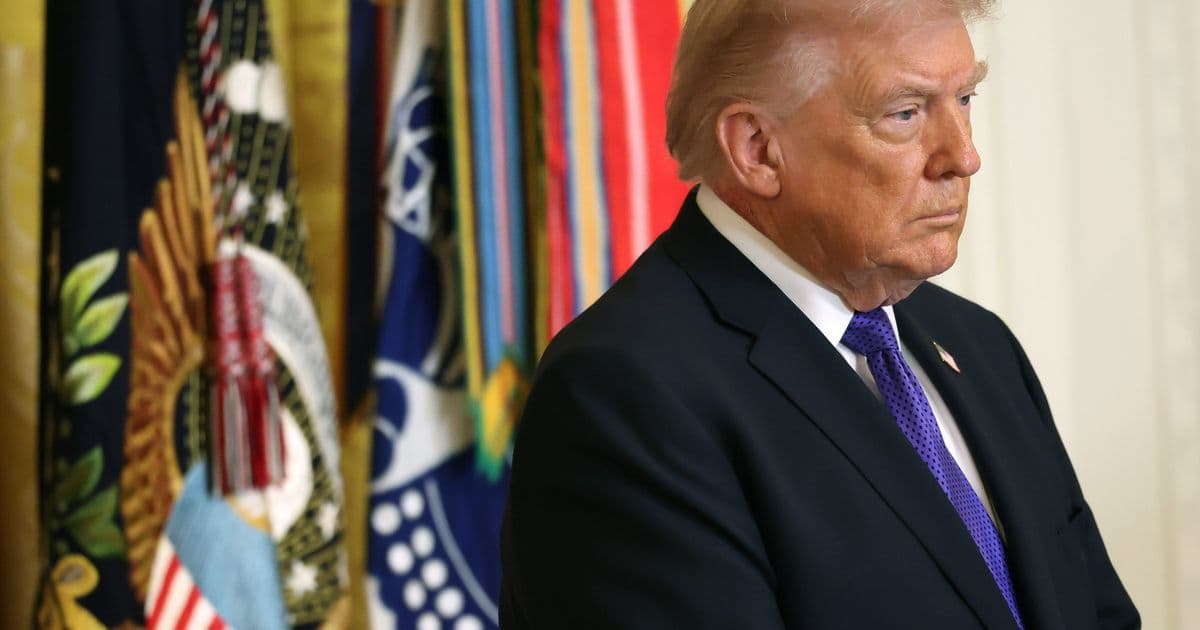
The Trump administration has released its new cyber strategy, emphasizing offensive operations, AI technology security, and regulatory streamlining, while also signing an executive order targeting cybercrime and fraud.
The Trump administration has unveiled its comprehensive cyber strategy, outlining a new approach to national cybersecurity that emphasizes offensive operations, securing artificial intelligence technologies, and streamlining regulatory frameworks. The strategy was released alongside an executive order specifically targeting cybercrime and fraud, marking a significant shift in the federal government's approach to digital threats and opportunities.
Strategic Priorities and Offensive Focus
The administration's cyber strategy places a strong emphasis on promoting offensive cyber operations as a key component of national defense. This approach represents a departure from previous administrations' more defensive postures, signaling a willingness to take proactive measures in the digital domain. The strategy document outlines plans to enhance the nation's offensive cyber capabilities while maintaining robust defensive measures.
AI Technology Security
A central pillar of the new strategy focuses on securing artificial intelligence technologies, recognizing AI as both a critical asset and a potential vulnerability. The administration aims to establish frameworks for protecting AI systems from compromise while also leveraging AI for enhanced cybersecurity operations. This dual approach acknowledges the growing importance of AI in both offensive and defensive cyber operations.
Regulatory Streamlining
The strategy calls for significant streamlining of cybersecurity regulations, aiming to reduce bureaucratic barriers while maintaining essential security standards. This regulatory overhaul is designed to accelerate innovation and deployment of cybersecurity solutions while ensuring that critical infrastructure remains protected.
Executive Order on Cybercrime
Alongside the cyber strategy, President Trump signed an executive order specifically targeting cybercrime and fraud. The order directs federal agencies to identify and implement robust tools for combating transnational criminal organizations engaged in cyber-enabled financial crimes. This initiative represents a coordinated effort to address the growing threat of cybercrime, which has become increasingly sophisticated and damaging.
Implementation Challenges
The administration faces several challenges in implementing this new strategy. Critics have raised concerns about the potential risks of an offensive-focused approach, including the possibility of escalation and unintended consequences. Additionally, the rapid pace of technological change presents ongoing challenges for regulatory frameworks and security measures.
Industry Response
The tech industry has responded with cautious optimism to the new strategy, particularly appreciating the emphasis on regulatory streamlining. However, some industry leaders have expressed concerns about the potential for increased government intervention in cybersecurity matters and the implications for privacy and civil liberties.
International Implications
The strategy's emphasis on offensive operations and AI security has significant international implications, potentially affecting diplomatic relations and global cybersecurity cooperation. The administration's approach may influence other nations' cyber strategies and could impact ongoing international efforts to establish norms for state behavior in cyberspace.
Future Outlook
As the administration moves forward with implementing its cyber strategy, key areas to watch include:
- The development and deployment of offensive cyber capabilities
- The establishment of AI security frameworks
- The effectiveness of regulatory streamlining efforts
- The impact on international cybersecurity cooperation
- The balance between security and privacy concerns
The success of this strategy will likely depend on the administration's ability to navigate these complex issues while maintaining effective cybersecurity protections for critical infrastructure and sensitive data.
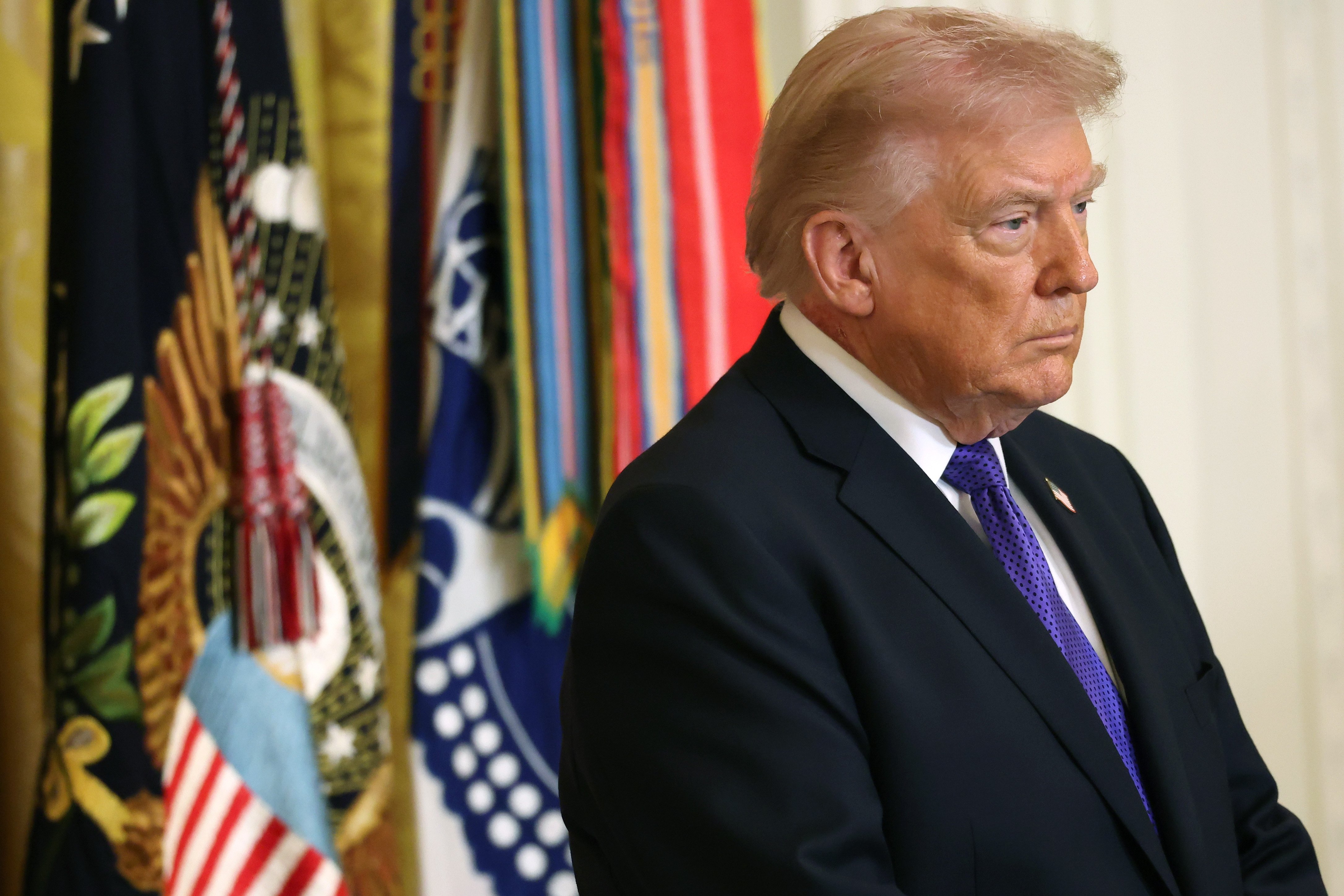
The Trump administration's cyber strategy represents a significant shift in national cybersecurity policy, emphasizing offensive capabilities, AI security, and regulatory efficiency. As implementation begins, the strategy's effectiveness and implications will become clearer, potentially reshaping the landscape of national and international cybersecurity for years to come.
Comments
Please log in or register to join the discussion