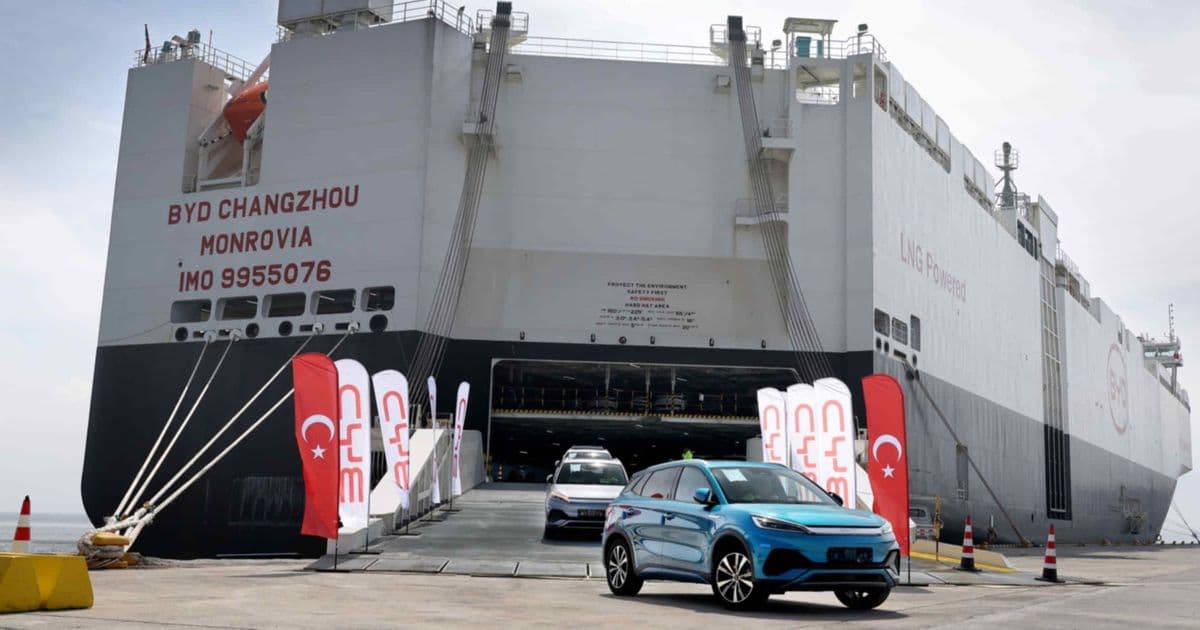
Ankara has suspended import tax exemptions for BYD and put the Chinese automaker on notice that it could be forced to repay benefits if it walks back its $1 billion factory pledge. Construction has yet to begin on a plant that was supposed to be running this year, exposing the gap between China's aggressive overseas expansion announcements and the slower reality of building them.
The Turkish government has suspended import tax exemptions granted to BYD and warned the Chinese electric vehicle maker that it could be forced to repay those benefits if it fails to deliver on a $1 billion commitment to build manufacturing operations in the country, according to a Nikkei Asia report.
The trigger is straightforward. BYD signed an agreement in 2024 to invest $1 billion in a plant in Manisa province, with capacity for 150,000 vehicles a year and a target of being operational sometime in 2026. As of mid-2026, construction has not started. Ankara extended generous import concessions in anticipation of that local production. With no factory rising and the operational deadline arriving, the government has pulled the incentive and attached a clawback clause to the unmet investment promise.
Why the tax break mattered in the first place
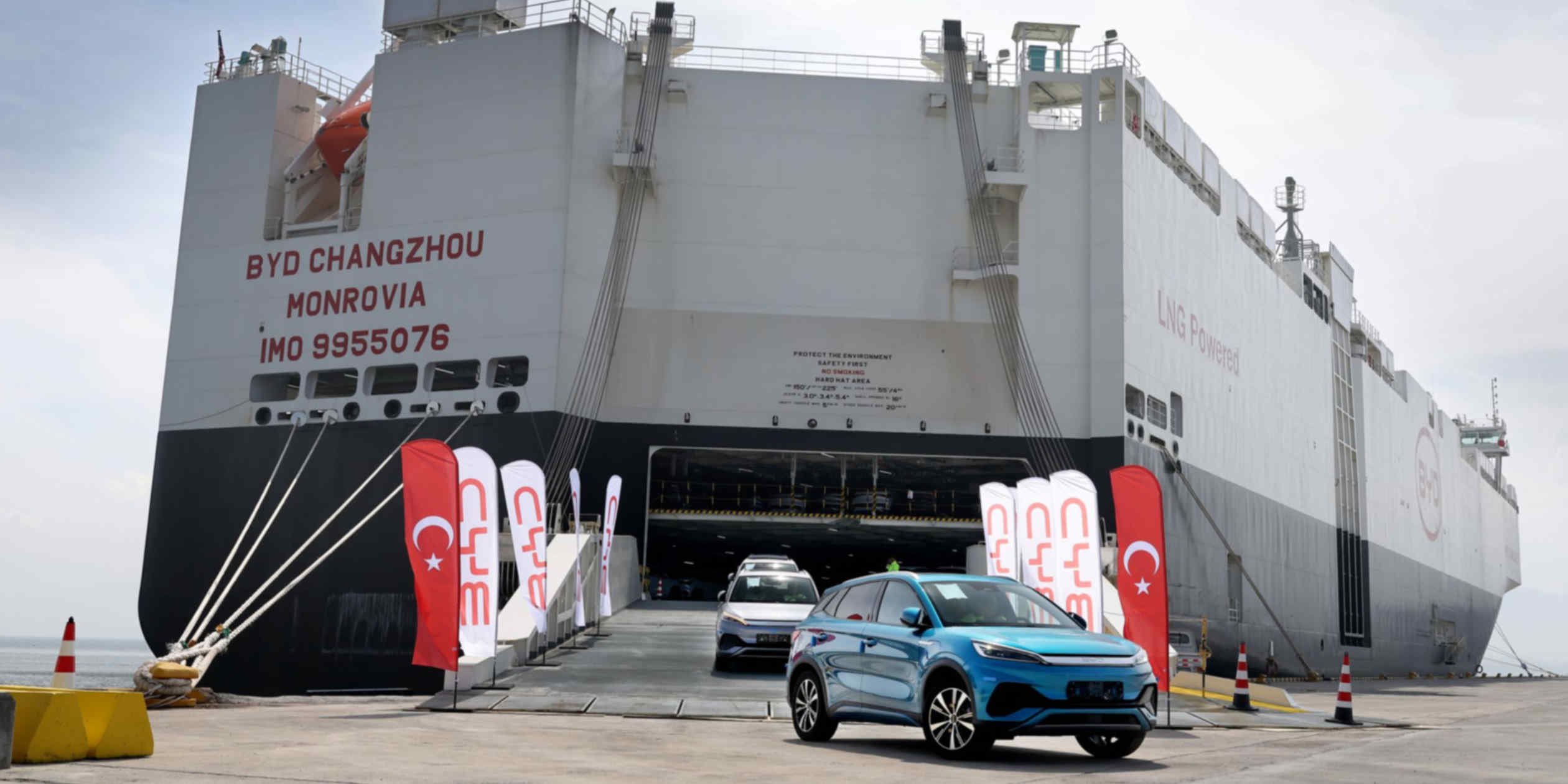
Turkey imposed a 40% additional tariff on Chinese-made vehicles in 2024, on top of an existing 10% duty, a defensive move aimed at protecting its domestic auto sector, which includes the state-backed Togg brand. Companies that committed to local production were offered a path around those tariffs. For BYD, the exemption was the entire economic logic of selling into Turkey at competitive prices. A BYD vessel recently delivered 7,000 cars to the industrial hub of Kocaeli, the kind of import volume that only works financially when the punitive tariff is waived.
Strip out the exemption and the math inverts. Vehicles that BYD ships into Turkey now face the full tariff stack, pricing them well above where they need to sit to take share from European and domestic rivals. The clawback threat adds a second layer of exposure: capital already extended as forgone tax revenue could be demanded back, turning a market-entry subsidy into a liability on BYD's books.
The wider pattern of announce-now, build-later
BYD's stalled Turkish plant fits a recognizable pattern across China's EV export push. The company has announced plants in Hungary, Brazil, Indonesia, and Turkey at a pace that outruns its ability to pour concrete and qualify supply chains in each location. Announcements serve a dual purpose, securing tariff relief and political goodwill in target markets, while the actual factory timelines slip against the messier realities of permitting, local labor, and a domestic price war at home that is draining margins.
That home-market pressure is the context that matters most. BYD has been fighting a brutal price war inside China that has compressed profitability across the sector and prompted Beijing to lean on automakers to stop discounting. Capital that might have funded the Manisa site faster is competing against the cost of defending market share at home. When overseas commitments are aspirational rather than funded, deadlines become the first casualty.
What it means for the next round of deals
Turkey's move is a signal to other governments writing similar contracts. The lesson host countries are absorbing is that incentive-for-investment deals with Chinese manufacturers need enforceable milestones and recovery mechanisms, not just signing ceremonies. Ankara built a clawback into its arrangement and is now using it, which gives it leverage that softer agreements elsewhere lack.
For BYD, the suspension complicates a European-facing strategy that already runs through hostile terrain. The company sits on the Pentagon's blacklist over alleged military ties, faces EU tariffs on Chinese EVs, and is watching Western incumbents revive idle production lines specifically to counter it. Turkey was meant to be a manufacturing bridge into Europe's customs union, a way to produce locally and sidestep both Turkish and EU duties. A frozen incentive and a clawback warning push that bridge further out of reach.
The broader read is that the easy phase of Chinese EV globalization, where announcements alone bought tariff relief, is closing. Governments want plants, jobs, and timelines they can enforce. BYD's $1 billion pledge in Turkey is now a test of whether the company can convert its expansion roadmap into operating factories before host countries lose patience and start collecting on the promises they were sold.
Comments
Please log in or register to join the discussion