Commerce officials will fund SandboxAQ’s AI materials work as Washington tries to cut chip supply chain risks tied to PFAS, rare earths, magnets and batteries.
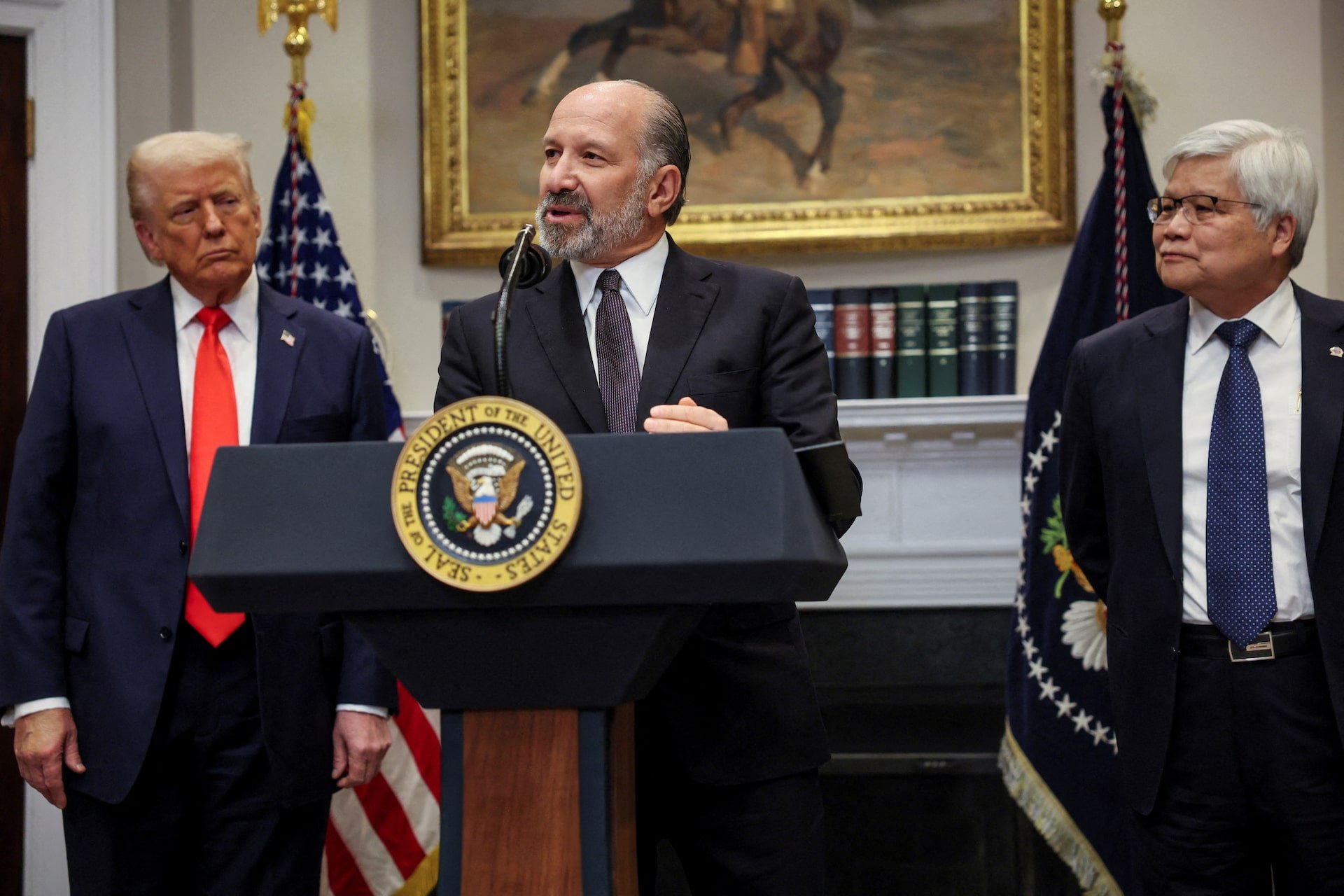
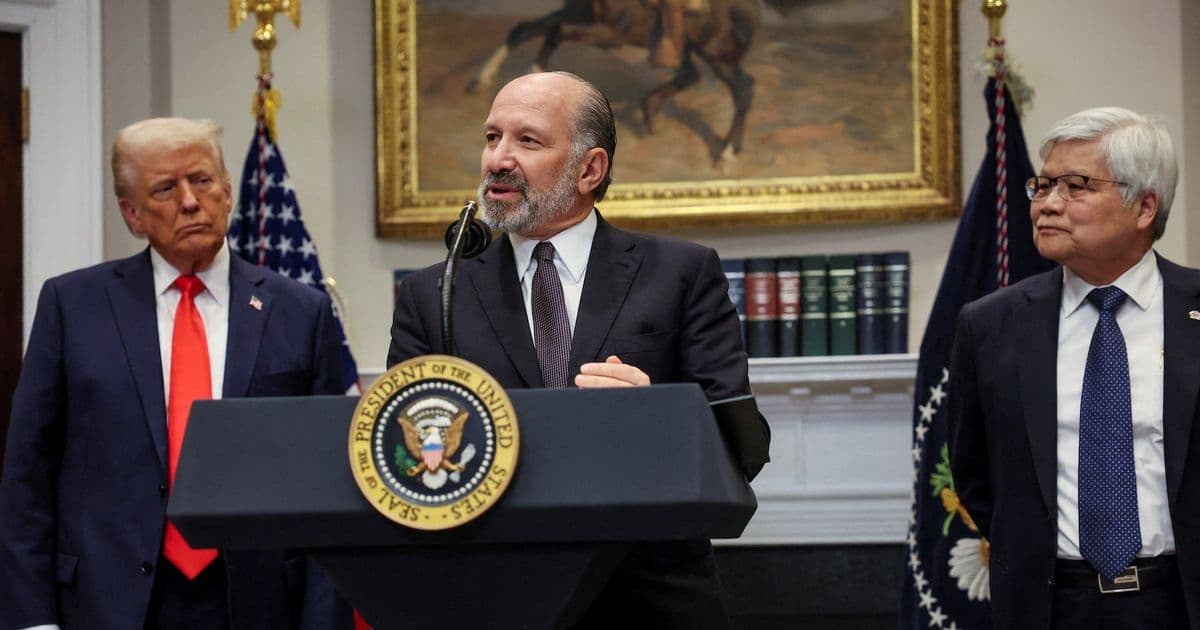
U.S. Commerce Secretary Howard Lutnick said Wednesday that the government awarded $500 million to SandboxAQ to develop chemicals and materials for U.S. semiconductor manufacturing.
The award gives Washington a stake in a startup that uses AI and physics models to search for materials that chipmakers can use at scale. Nvidia has backed SandboxAQ, which reached a $5.75 billion valuation in April 2025 and has raised more than $1 billion.
Commerce officials will take a minority stake in SandboxAQ, according to Reuters. SandboxAQ CEO Jack Hidary told Reuters the stake carries no voting rights and gives the government no board seat.
The work covers four areas: PFAS substitutes and cleanup methods, catalysts for chipmaking chemistry, rare earth-free permanent magnets and batteries for semiconductor equipment. Commerce officials also expect royalty payments if SandboxAQ licenses formulas to manufacturers.
PFAS sits at the center of the award. Chipmakers use the chemicals because their strong bonds help them withstand harsh manufacturing steps, but those same bonds make them persist in soil and water. SandboxAQ will search for replacements and methods that break PFAS down before waste leaves a chipmaking site.
The materials push fits a broader U.S. effort to reduce dependence on foreign suppliers for chip inputs. China dominates several rare earth supply chains, and chipmaking equipment relies on magnets and battery systems. Battery systems smooth power from the grid and help prevent shutdowns during outages, while permanent magnets appear across major equipment categories.
SandboxAQ’s pitch differs from text-based AI tools. The company trains models on physics data and experiment results, then uses those models to help researchers search chemical and materials spaces. That approach gives the company a role in industrial AI, where the prize comes from faster lab work and fewer failed material candidates.
For the Commerce Department, the deal adds a new form of CHIPS Act spending. Instead of funding only fabrication plants or equipment, officials are putting public money behind upstream materials that could decide whether U.S. fabs can run without supply shocks.
The commercial test comes next. SandboxAQ must turn models into formulas that manufacturers can produce, qualify and use inside chip plants. If the company reaches that point, Commerce officials expect licensing revenue, and U.S. chipmakers could gain more control over materials that sit beneath advanced manufacturing.
Comments
Please log in or register to join the discussion