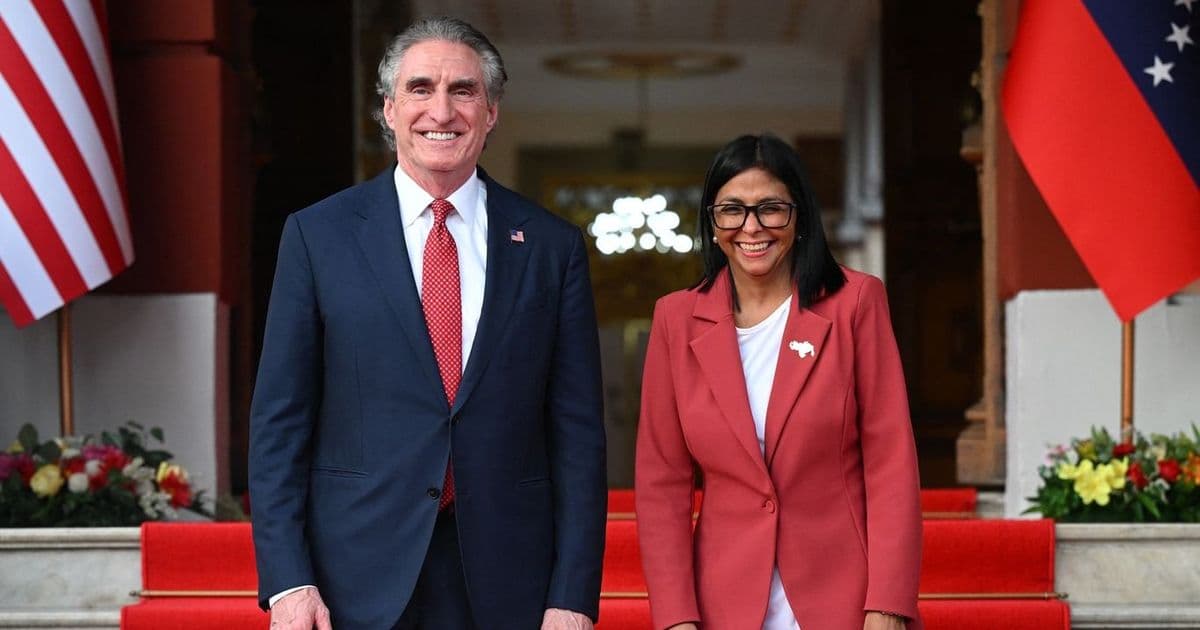
The United States and Venezuela have reached a historic agreement to restore diplomatic relations, marking a significant shift in the two nations' strained relationship that has been characterized by sanctions, political tensions, and economic isolation for over a decade.
The United States and Venezuela have reached a historic agreement to restore diplomatic relations, marking a significant shift in the two nations' strained relationship that has been characterized by sanctions, political tensions, and economic isolation for over a decade.
Key Details of the Agreement
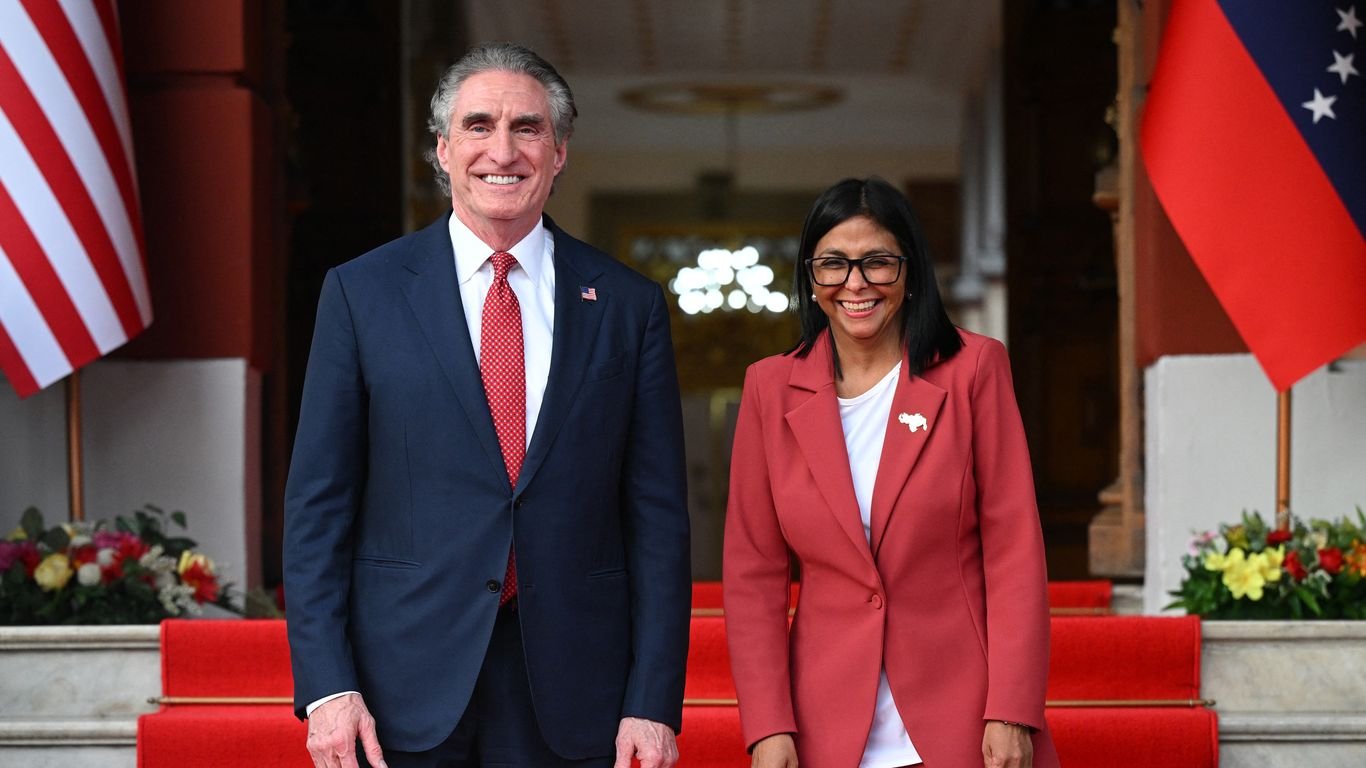
The diplomatic breakthrough was announced following high-level meetings between U.S. officials and Venezuelan leadership. The agreement includes provisions for reopening embassies in both countries, establishing direct communication channels between governments, and creating frameworks for economic cooperation.
According to sources familiar with the negotiations, the agreement also addresses several contentious issues that have plagued U.S.-Venezuela relations, including concerns about human rights, electoral processes, and regional stability.
Economic Implications
The restoration of diplomatic ties could have significant economic ramifications for both countries. Venezuela, which possesses the world's largest proven oil reserves, has been struggling under U.S. sanctions that have severely limited its ability to export petroleum products and access international financial markets.
For the United States, re-establishing relations with Venezuela could provide alternative sources of crude oil, potentially helping to stabilize global energy markets. The agreement may also open opportunities for American businesses to invest in Venezuela's mining, agriculture, and telecommunications sectors.
Regional Context
This diplomatic shift comes amid changing geopolitical dynamics in Latin America. Several regional powers have been encouraging dialogue between Washington and Caracas, recognizing that improved U.S.-Venezuela relations could contribute to greater stability in the region.
The agreement also signals a potential recalibration of U.S. foreign policy in the Western Hemisphere, moving away from the more confrontational approach of recent years toward engagement and dialogue.
Implementation Challenges
While the agreement represents a significant diplomatic achievement, experts caution that implementation may face obstacles. The deep-seated mistrust between the two governments, coupled with domestic political considerations in both countries, could complicate the normalization process.
Additionally, the agreement will need to navigate complex legal frameworks, including existing U.S. sanctions legislation that would require congressional action to modify or lift.
Historical Context
The breakdown in U.S.-Venezuela relations accelerated following the death of President Hugo Chávez in 2013 and the disputed election of Nicolás Maduro. The relationship deteriorated further under the Trump administration, which recognized opposition leader Juan Guaidó as Venezuela's legitimate president and imposed sweeping sanctions on the Maduro government.
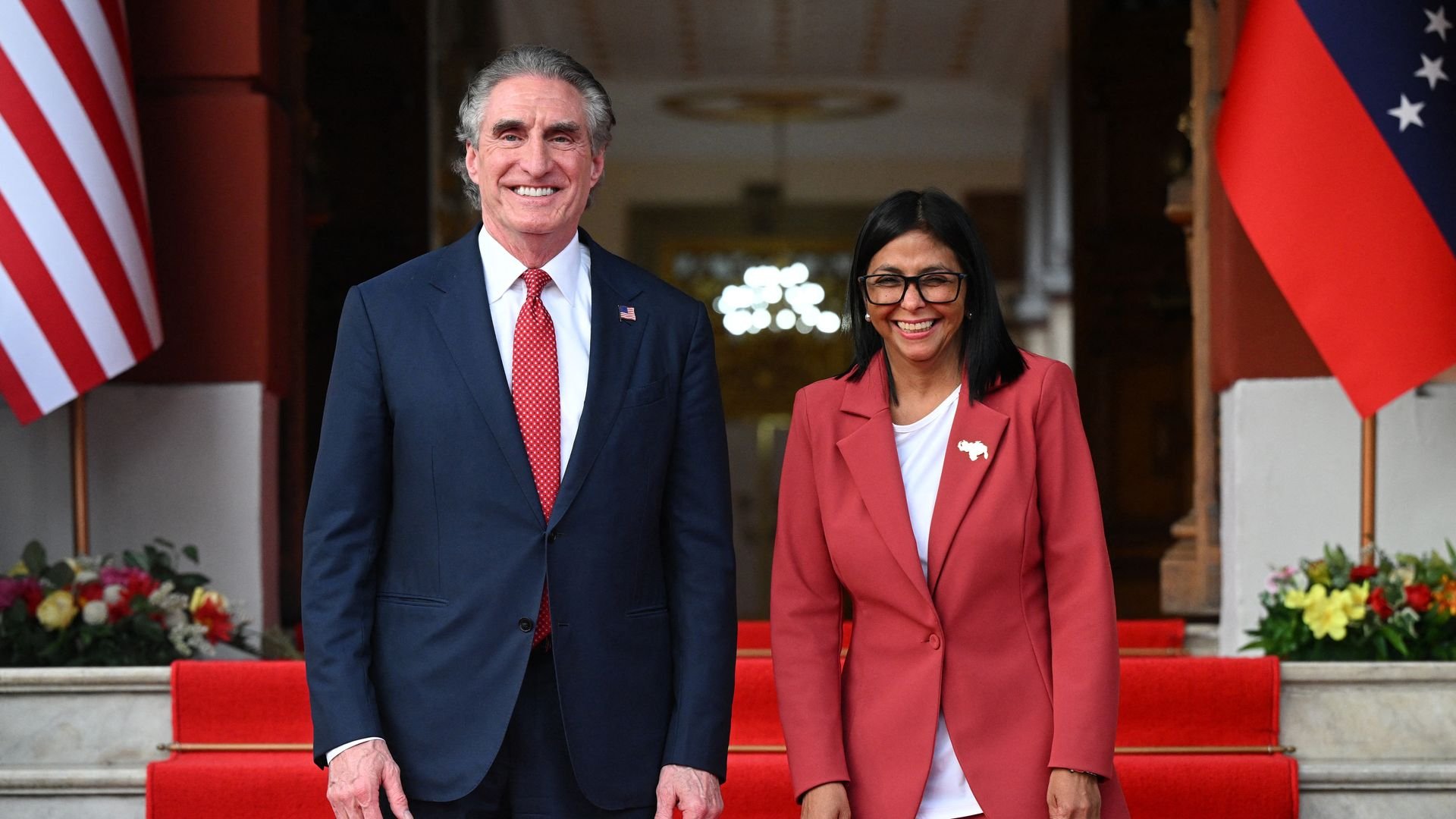
The Biden administration initially maintained this stance but gradually shifted toward a more pragmatic approach, recognizing that sanctions alone had not achieved their intended objectives of forcing political change in Venezuela.
What This Means for the Future
The re-establishment of diplomatic ties creates a framework for addressing bilateral issues through dialogue rather than confrontation. This could lead to progress on specific concerns such as drug trafficking, migration flows, and regional security cooperation.
For Venezuela, improved relations with the United States could help alleviate its severe economic crisis, which has driven millions of Venezuelans to flee the country and created humanitarian challenges throughout the region.
For the United States, the agreement provides an opportunity to engage with Venezuela on shared interests while maintaining pressure on specific issues through diplomatic channels rather than economic warfare.
The coming months will be critical in determining whether this diplomatic opening translates into concrete improvements in the lives of citizens in both countries and contributes to greater stability in the Western Hemisphere.
Comments
Please log in or register to join the discussion