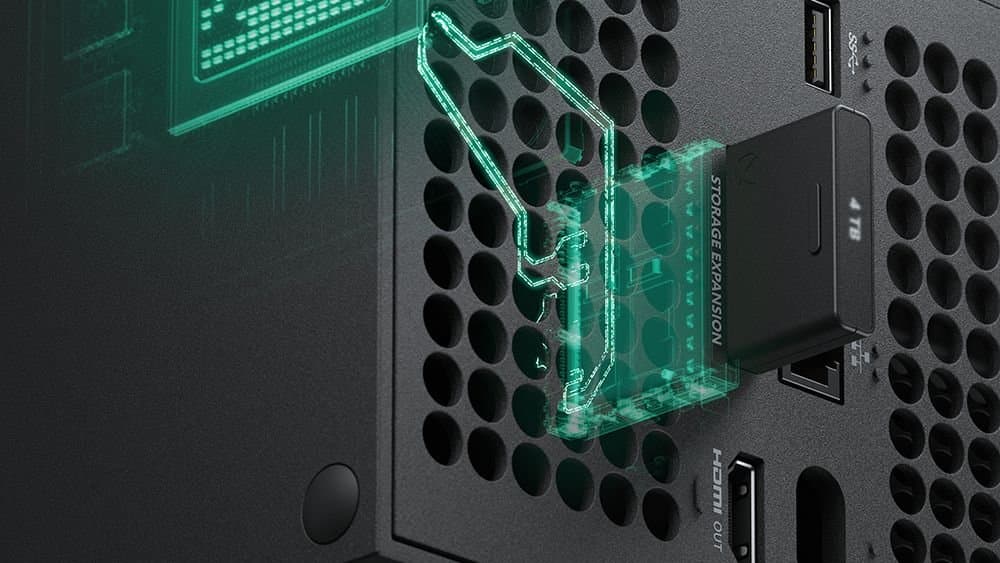
Xbox Series X|S proprietary storage cards can be repurposed for PC use with inexpensive adapters, offering 1,560 MB/s speeds despite being formatted for console use.
The Xbox Series X|S storage expansion cards, long criticized for their proprietary nature and premium pricing, have found an unexpected second life as PC storage solutions. A Reddit user has demonstrated that these cards can be adapted for use in standard desktop computers using readily available CFexpress adapters, potentially offering gamers and PC builders an alternative storage option during today's challenging market conditions.
The Technical Bridge Between Console and PC
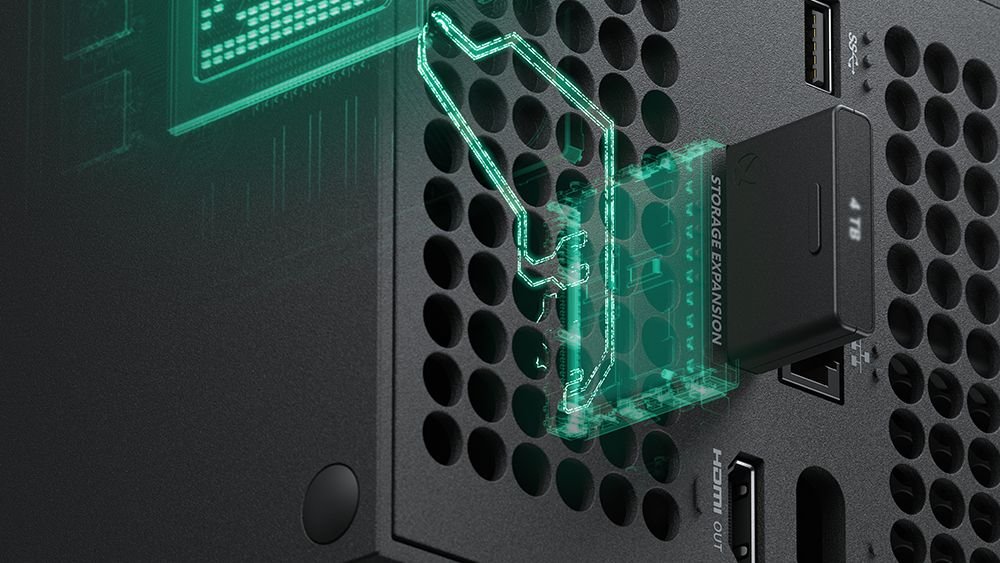
The Xbox Series X|S expansion cards utilize CFexpress Type-B connectors underneath their proprietary casing, a fact that has been known for some time. CFexpress itself is based on the NVMe protocol, though it typically operates over PCIe 3.0 x2 connections. Microsoft's custom implementation pushes this to PCIe 4.0 x2, providing enhanced performance capabilities.
The conversion process involves using either PCIe-to-CFexpress or M.2-to-CFexpress adapters, with the critical requirement being support for the Type-B form factor. These adapters are remarkably inexpensive compared to the expansion cards themselves, making this workaround particularly attractive for budget-conscious users.
Performance Characteristics
Once formatted for Windows use, the expansion cards perform as standard SSDs with sequential read speeds reaching 1,117 MB/s and write speeds up to 1,570 MB/s. While these figures fall short of modern PCIe 4.0 drives that can exceed 7,000 MB/s, they remain serviceable for general computing tasks and gaming workloads.
The performance limitations stem from the underlying PCIe 4.0 x2 interface, which provides significantly less bandwidth than the x4 configuration used by most modern SSDs. However, for users with older systems or those seeking cost-effective storage expansion, these speeds represent a reasonable compromise.
Market Context and Pricing Analysis
Current market conditions have made storage solutions increasingly expensive, with the ongoing AI boom driving up component costs across the board. This has created an interesting opportunity for Xbox expansion cards to serve as alternative PC storage.
Retail prices for new expansion cards vary by capacity:
- 500GB (Western Digital): $99
- 1TB (Seagate): $189.99
- 1TB (Western Digital): $149.99
- 2TB (Seagate): $275.88
- 2TB (Western Digital): $249.99
- 4TB (Seagate): $549.99
Western Digital models consistently undercut Seagate's pricing while maintaining identical performance characteristics, as both manufacturers produce certified cards with the same specifications.
Practical Considerations
The primary limitation is the initial formatting requirement. Xbox expansion cards use a proprietary file system incompatible with Windows, necessitating a complete format before PC use. This process erases any existing console data and converts the card to a standard NTFS or exFAT partition.
Users should also verify adapter compatibility, as not all CFexpress adapters support the Type-B connector required by these cards. The market offers both PCIe slot-mounted and M.2 slot-mounted options, providing flexibility for different system configurations.
Strategic Implications
This discovery represents more than just a technical curiosity—it potentially extends the useful life of Xbox expansion cards beyond their intended console ecosystem. For PC builders facing high storage prices, these cards offer a viable alternative, particularly for secondary storage or systems where absolute top-tier performance isn't critical.
The situation also highlights the sometimes arbitrary nature of proprietary hardware decisions. What Microsoft positioned as a closed ecosystem component can, with minimal modification, integrate into standard PC architectures, suggesting that the technical barriers were never as insurmountable as the business ones.
For users with existing Xbox expansion cards, this represents an opportunity to repurpose hardware that might otherwise sit unused. For new buyers, the combination of discounted expansion cards and inexpensive adapters creates an alternative path to PC storage acquisition during a period of market volatility.
The broader context of component shortages and price inflation makes such workarounds increasingly valuable, demonstrating how cross-ecosystem compatibility can emerge from unexpected quarters to benefit consumers facing constrained choices.
Comments
Please log in or register to join the discussion