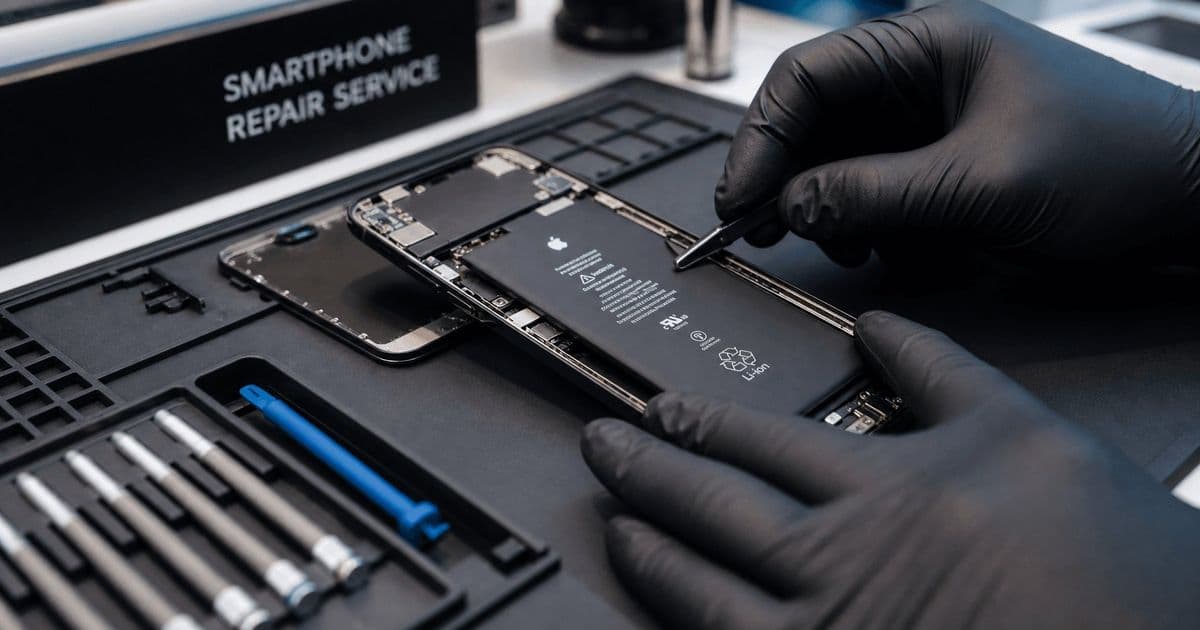
Xiaomi will now swap higher-capacity silicon anode batteries into two-year-old Xiaomi 13 phones for 189 yuan, a small premium over a standard replacement. The move signals how handset makers are leaning on service revenue and device retention as shipments stall and component prices climb.
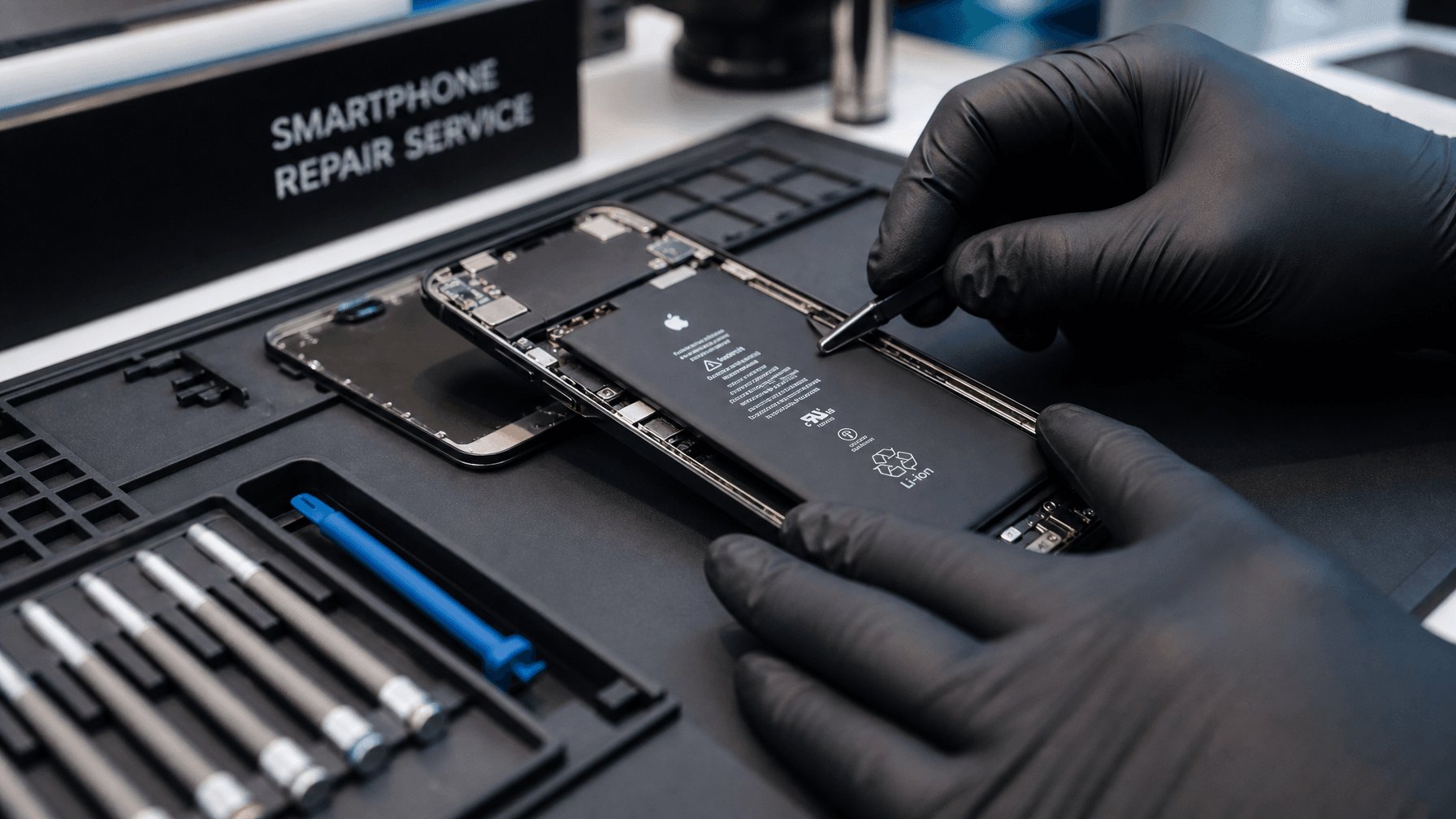
Xiaomi has started offering what it calls a "battery upgrade" service for select older smartphones, and the framing is more interesting than the typical repair announcement. Instead of replacing a worn cell with an identical part, the company installs a higher-capacity battery in a phone that shipped years ago. The program launched in April 2026 and currently covers the Xiaomi 13 series, including the standard Xiaomi 13, the 13 Pro, and the 13 Ultra, all released between 2022 and 2023.
What's claimed
The pitch is straightforward. A Xiaomi 13 owner whose battery has degraded after two or three years of charge cycles can pay to have a larger cell installed rather than buying a new device. The capacity gains are concrete: the original 4,500 mAh, 4,820 mAh, and 5,000 mAh batteries can be replaced with 4,850 mAh, 5,361 mAh, and 5,500 mAh units respectively. That works out to roughly a 7 to 11 percent increase depending on the model.
Pricing is where the offer gets its appeal. The upgrade costs 189 yuan, broken down into 149 yuan for the battery itself and 40 yuan for labor. A conventional same-capacity replacement runs 159 yuan. So for an extra 30 yuan, about four US dollars at current rates, a user gets more capacity than the phone originally shipped with. That is a small enough gap that the larger cell becomes the obvious choice for anyone already paying for a battery service.
What's actually new
The part worth examining is not the service model but the chemistry that makes it possible. Fitting a bigger battery into an existing chassis is not trivial. The phone's internal volume is fixed, the board layout is fixed, and the original engineering already optimized for the space available. You cannot simply add more lithium without either changing the form factor or increasing energy density.
Xiaomi credits silicon anode technology, citing an energy density of 894 Wh/L. Silicon anodes store significantly more lithium ions per unit mass than the graphite anodes that have dominated lithium-ion cells for decades. The catch has always been swelling. Silicon expands substantially as it absorbs lithium during charging, which historically caused cells to crack and lose capacity quickly. Recent silicon-dominant and silicon-carbon composite designs manage that expansion well enough to ship in volume, which is what allows a denser cell to drop into the same physical slot a graphite cell occupied two years earlier.
The same technology is doing heavier lifting elsewhere in Xiaomi's lineup. The company's newer Xiaomi 17 series reportedly packs 7,000 mAh into standard-sized models, a figure that would have been impractical with conventional graphite chemistry at that thickness. The battery upgrade program is essentially a way to retrofit a slice of that progress into hardware already in customers' hands.
Limitations
A few caveats temper the enthusiasm. The program is narrow, covering one product generation, and it is a China-market service for now with no indication of broader availability. A 7 to 11 percent capacity bump is useful but not transformative; it offsets some of the calendar aging a battery accumulates rather than dramatically extending runtime beyond the phone's original spec. There is also the open question of how a denser silicon-based cell ages over the remaining life of an older device, and whether thermal behavior or charging profiles need adjustment for hardware that was not designed around that chemistry. Xiaomi has not published long-term cycle data for the retrofitted cells.
The energy density figure also deserves a skeptical read. A single Wh/L number describes the cell, not the delivered user experience, and density claims across the industry are measured under varying conditions. The practical proof is the capacity numbers themselves, which are modest and verifiable, rather than the headline density spec.
Why this is happening now
The timing tells most of the story. According to research firm Omdia, global smartphone shipments grew just 1 percent year over year in the first quarter of 2026, while memory component prices jumped 90 percent quarter over quarter. Omdia projects total 2026 shipments to fall 15 percent year over year as higher storage costs push device prices up and buyers hold off on upgrades.
When the upgrade cycle slows, manufacturers need revenue that does not depend on selling new units every two years. Battery and storage services fit that need. They keep existing customers inside the brand's ecosystem, generate margin on parts and labor, and extend the useful life of devices people already own. Xiaomi is not alone here. Vivo is reportedly studying similar battery upgrade offerings for its older phones, and Huawei ran a storage capacity upgrade program back in 2022.
There is a tension in all of this. For years the criticism aimed at handset makers was planned obsolescence, the sense that devices were nudged toward replacement before they had to be. A service that puts a better battery in a three-year-old phone runs in the opposite direction, and for users it is a genuinely good deal. But it is worth being clear-eyed that the motive is commercial, not altruistic. Retention strategies emerge when growth stalls, and the battery upgrade is a product of a cooling market as much as it is a win for repairability. The result still benefits the customer, which is rare enough to note, even if the incentive driving it is the slowdown rather than a change of heart about how long phones should last.
If the chemistry holds up over time and the model proves profitable, expect more of it. Storage tier upgrades, battery swaps, and other after-sale services are a logical response to an environment where the next phone costs more and offers less reason to buy it. For now Xiaomi's program is a small, concrete example of that shift, limited in scope but pointing at where the economics are heading.
Comments
Please log in or register to join the discussion