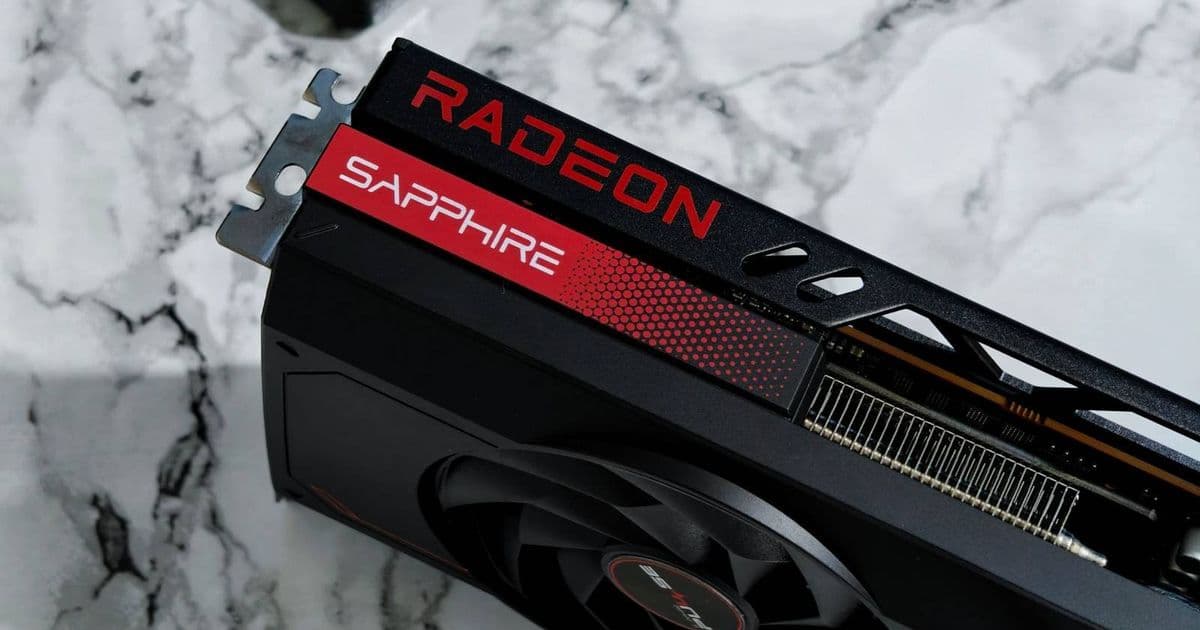
Fresh supply chain chatter points to AMD's next-generation RDNA 5 architecture landing no earlier than the back half of 2027, leaving RDNA 4 to carry the lineup for an unusually long stretch. For anyone tracking GPU roadmaps, the delay reshapes upgrade timelines and the competitive picture against Nvidia and Intel.
AMD's next major graphics architecture is shaping up to be a long wait. According to the latest round of supply chain reports, RDNA 5, the successor to the RDNA 4 parts currently anchoring the Radeon lineup, likely won't reach consumers until late 2027 at the earliest. And the caveat attached to that estimate is doing a lot of work: late 2027 is the optimistic read, not the conservative one.
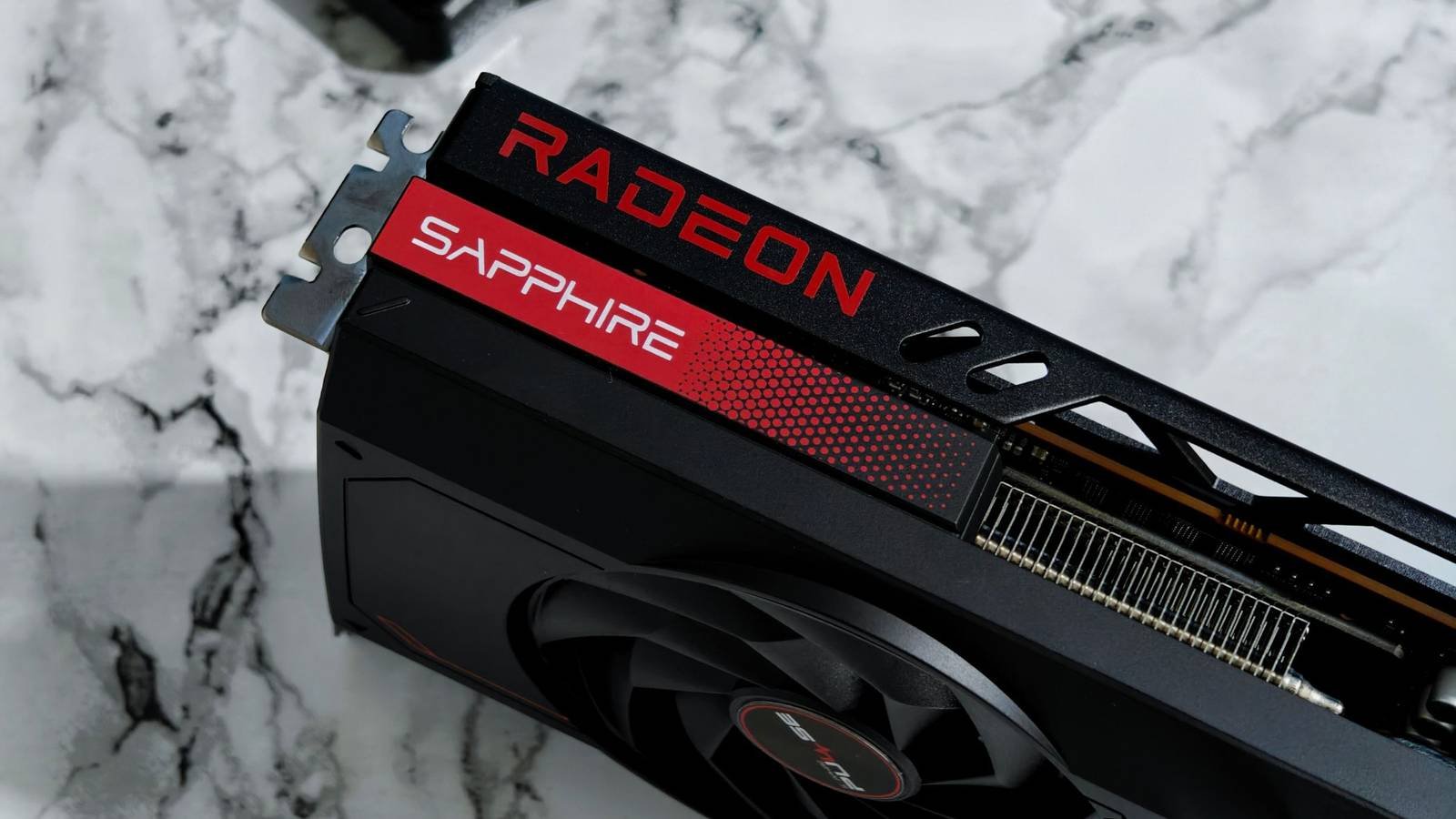
For a company that spent years trying to compress its GPU release cadence to stay close to Nvidia, a gap this size is notable. RDNA 4 arrived earlier and pushed AMD's ray tracing and upscaling story forward, but it was always positioned as a mainstream-focused generation rather than a flagship assault. If RDNA 5 really is a 2027 product, that means RDNA 4 has to hold the line for a longer period than AMD's recent generations typically have.
What is actually changing
The headline change is timing, not silicon details, because the silicon details are still mostly unconfirmed. What the reports converge on is a schedule slip. Where earlier roadmap leaks suggested a 2026 to early 2027 window, the current expectation has drifted to the second half of 2027. The shift appears tied to a combination of manufacturing node availability, design complexity, and AMD's decision to align its gaming GPU efforts with its broader compute and data center priorities.
That last point matters more than it might seem. AMD has been routing an enormous amount of engineering attention toward AI and data center accelerators, where margins and demand are both higher than in consumer gaming graphics. When a company's most valuable silicon talent and fab allocation get pulled toward the most profitable products, the consumer GPU calendar tends to stretch. RDNA 5 looks like a casualty of that prioritization, even if AMD never frames it that way publicly.
Why the delay matters for buyers
If you are running a current Radeon card or weighing a GPU purchase, the practical takeaway is that RDNA 4 is your near-term ceiling on the AMD side. There is no point holding out for RDNA 5 if you need an upgrade in 2026, because waiting potentially means waiting eighteen months or more for hardware that may still slip further.
The competitive angle is where this gets interesting. Nvidia continues to iterate on its own cadence, and Intel has kept Arc alive with incremental Battlemage and follow-up parts that have steadily improved driver maturity and price-to-performance. A long RDNA 5 gap gives both competitors room to define the midrange and high end without a fresh AMD architecture pushing back. AMD can respond with pricing and refreshed RDNA 4 SKUs, but pricing moves are a defensive tool, not a roadmap.
The migration question
For developers and anyone maintaining software that targets GPU hardware, a delayed architecture is actually a mixed blessing. A stable, long-lived RDNA 4 generation means a stable target. Game engines, compute frameworks, and driver-dependent applications get a longer runway on known hardware behavior, which reduces the churn of constantly re-validating against new architectures. The flip side is that the feature set you have today is the feature set you are stuck with for longer. If RDNA 4 lacks a capability you want, whether that is a specific ray tracing acceleration feature or an upscaling pipeline improvement, you will be waiting until 2027 to get it natively on AMD silicon.
This is the same tension mobile developers know well from platform release cycles. A slower hardware cadence simplifies your support matrix but caps the new capabilities you can build against. You optimize for what exists rather than what is promised, and you treat roadmap dates as soft until silicon actually ships.
How seriously to take the timeline
The honest answer is that GPU roadmap leaks have a poor track record for precision. Dates move, product names change, and architectures get re-scoped between leak and launch. What is more reliable than the specific quarter is the directional signal: multiple sources now agree RDNA 5 is further out than previously believed, and AMD's resource allocation supports that reading. When the leaks and the business logic point the same way, the trend is worth trusting even if the exact date is not.
For now, AMD has not officially confirmed an RDNA 5 launch window, and the company rarely commits to consumer GPU dates far in advance. You can follow AMD's official Radeon graphics page for confirmed product information, and AMD's GPUOpen developer resources remain the place to track the actual feature and tooling support you can build against today. Until RDNA 5 silicon is real, RDNA 4 is the architecture that matters, and planning around a late-2027 successor, with appropriate skepticism, is the pragmatic move.
Comments
Please log in or register to join the discussion