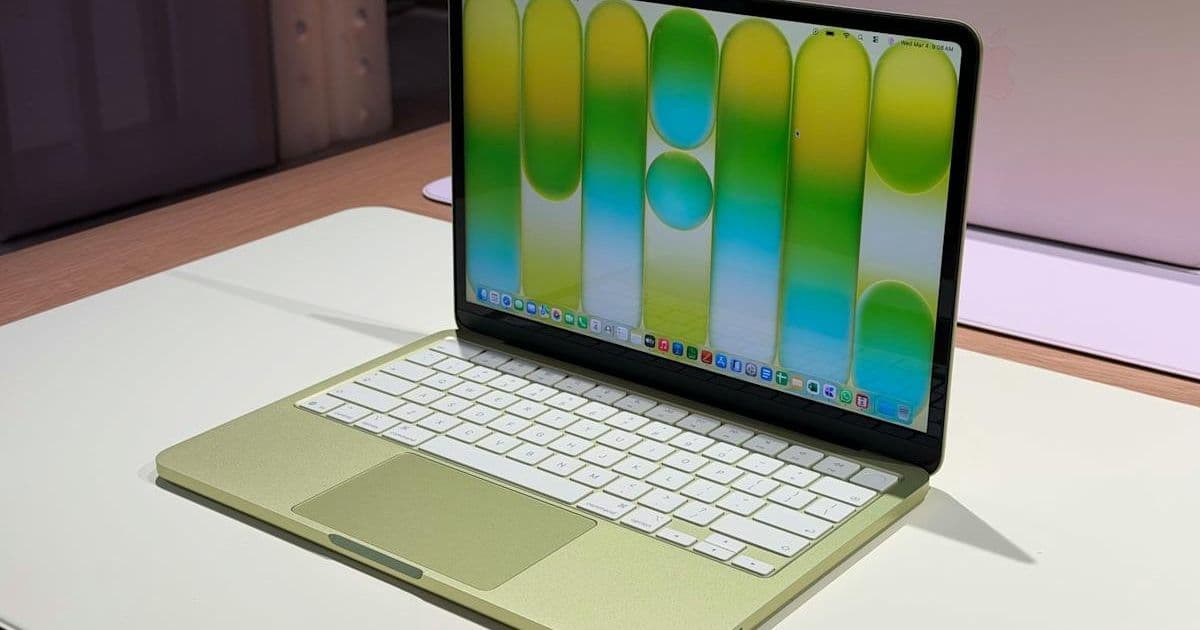
Apple's new MacBook Neo bridges the gap between iPhone and laptop with its A18 Pro chip, aluminum body, and competitive pricing, but keyboard quality and limited ports reveal its budget positioning.
Apple has officially unveiled the MacBook Neo, a new entry-level laptop positioned to fill the void left by the discontinued 12-inch MacBook in 2019. Starting at $599 with 256GB storage and ranging to $699 for a model with Touch ID and 512GB storage, the new device represents Apple's most affordable laptop offering in recent years.
At first glance, the MacBook Neo doesn't scream "budget." It features an aluminum body in four color options (citrus, silver, indigo, and blush) and boasts a 13-inch Liquid Retina display, typically found in more expensive models. The inclusion of side-firing speakers and a 1080p webcam further suggests Apple's attempt to maintain premium elements while keeping costs down.
The most significant technical specification is the use of the A18 Pro chip, the same processor found in Apple's iPhone 16 lineup. This represents a departure from Intel chips in previous budget MacBooks and aligns with Apple's strategy of using its own silicon across product lines. Paired with 8GB of RAM, the MacBook Neo promises improved efficiency and battery life compared to older Intel-based models.
However, closer examination reveals the compromises Apple made to achieve its aggressive price point. The keyboard, as noted in early hands-on reviews, is described as "a bit flimsy" compared to the more premium butterfly or scissor mechanisms found in higher-end MacBooks. The inclusion of just two USB-C ports also limits connectivity options, forcing users to rely on adapters or hubs for additional peripherals.
The decision to use an iPhone-derived processor in a laptop is particularly interesting. While this approach offers better integration with Apple's ecosystem and potentially improved performance for certain tasks, it also creates questions about long-term software support and compatibility with traditional laptop applications. Apple has previously faced challenges with ARM-based MacBooks, though the transition to Apple Silicon has largely been successful in higher-end models.
For potential buyers, the MacBook Neo presents a compelling option for those deeply invested in the Apple ecosystem who need a secondary device or have basic computing needs. The combination of a vibrant display, aluminum construction, and efficient A18 Pro chip at a starting price of $599 undercuts many Windows competitors in the same category.
Yet, the device isn't without its limitations. The 8GB of RAM, while sufficient for light tasks, may become a bottleneck for more demanding applications. The limited port selection and keyboard quality suggest Apple deliberately positioned this model as an entry-point rather than a primary work machine.
The MacBook Neo arrives at an interesting time in the laptop market, where consumers increasingly prioritize portability and battery life over raw processing power. By leveraging its smartphone expertise and supply chain efficiencies, Apple has created a device that blurs the line between mobile and computing experiences.
For Apple, the MacBook Neo serves multiple purposes: it expands the company's addressable market in the budget segment, creates a more seamless experience between iPhone and laptop users, and maintains Apple's premium aesthetic while delivering a more accessible price point. Whether the compromises in keyboard quality and connectivity will be acceptable to budget-conscious consumers remains to be seen, but early indications suggest Apple has struck a balance that will appeal to its core audience.
The MacBook Neo is available now in four colors through Apple's online store and retail locations.
Comments
Please log in or register to join the discussion