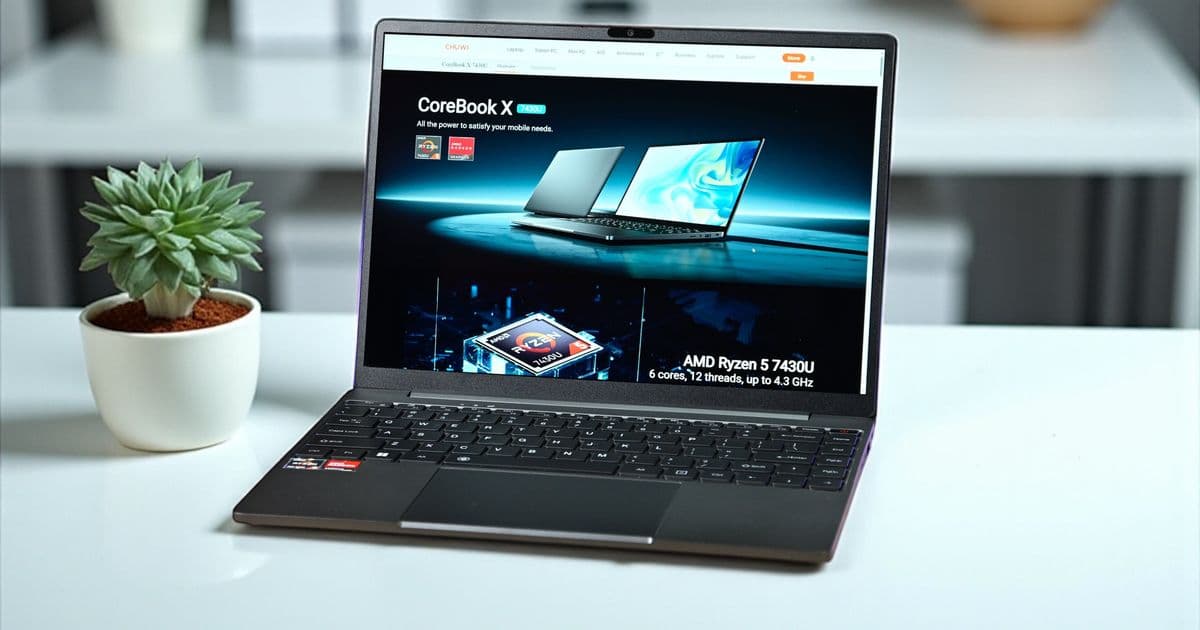
NotebookCheck discovers Chuwi CoreBook X ships with older Ryzen 5 5500U processor despite being advertised with newer 7430U model, raising serious questions about transparency and consumer trust.
Chinese laptop manufacturer Chuwi faces a significant credibility crisis after NotebookCheck's investigation revealed that the CoreBook X notebook ships with an AMD Ryzen 5 5500U processor instead of the advertised AMD Ryzen 5 7430U.
The Discovery
The discrepancy came to light during a routine review of the CoreBook X. While the initial testing focused on practical performance aspects like display quality, SSD speeds, and battery life, anomalies in the system's behavior prompted a closer examination. Upon opening the device and inspecting the CPU directly, NotebookCheck found the OPN number 100-000000375 clearly identifying the chip as a Ryzen 5 5500U rather than the 7430U that was marketed.
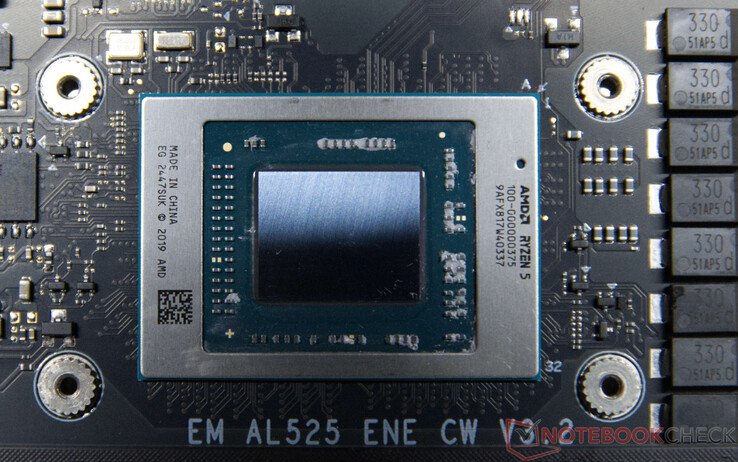
This substitution represents more than just a minor specification change. The Ryzen 5 5500U is a Zen 3 architecture processor from 2021, while the 7430U belongs to AMD's newer Zen 4 generation. Such a difference in generations typically translates to meaningful performance variations, particularly in power efficiency and integrated graphics capabilities.
Performance Implications
To quantify the impact, NotebookCheck conducted comprehensive benchmark testing comparing expected performance levels:
| Processor | Performance Rating |
|---|---|
| AMD Ryzen 5 7430U (expected) | 82.1 points |
| AMD Ryzen 5 5500U (actual) | 76.5 points |
| Chuwi CoreBook X measured | 74 points |
While the difference might seem modest at first glance, the lower score reflects additional constraints in the CoreBook X configuration, particularly the use of single-channel RAM which further impacts performance. The gap between generations becomes more pronounced in specific workloads, especially those leveraging the architectural improvements of Zen 4.
The Deception
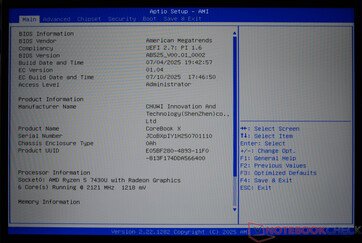
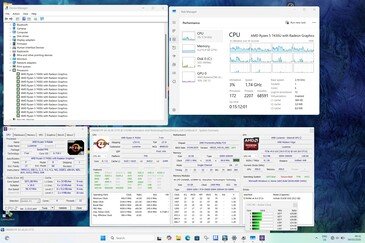
What makes this situation particularly troubling is the systematic nature of the misrepresentation. Both in the BIOS and at the Windows operating system level, system information tools consistently report the presence of a Ryzen 5 7430U processor. This means that even technically savvy users who check their system specifications would be misled about the actual hardware they purchased.
Manufacturer Response
Upon being contacted about the discrepancy, Chuwi acknowledged the issue but stopped short of accepting full responsibility. The company attributed the problem to "various production batches" and "remaining stocks still in circulation," claiming to have lost direct control over these devices. While Chuwi stated that an internal investigation has been initiated, this explanation does little to address the fundamental breach of consumer trust.
Broader Implications
This incident raises serious questions about quality control and transparency in the budget laptop market, particularly for brands sourcing components from multiple suppliers. For consumers, it underscores the importance of verifying hardware specifications, especially when purchasing from lesser-known manufacturers or through third-party retailers.
The CoreBook X case also highlights the challenges reviewers face in detecting such discrepancies. Without physically inspecting the CPU, even thorough testing might miss fundamental specification differences, particularly when the system software actively conceals them.
What This Means for Buyers
For potential CoreBook X purchasers, this revelation necessitates a complete reassessment of the device's value proposition. The actual performance characteristics differ from what was promised, potentially affecting everything from battery life to gaming capabilities. More broadly, it serves as a cautionary tale about the risks of prioritizing price over brand reliability and the importance of purchasing from reputable sources with clear return policies.
Chuwi's handling of this situation will likely determine whether this becomes an isolated incident or a defining moment that permanently damages the brand's reputation in the competitive laptop market.
Comments
Please log in or register to join the discussion