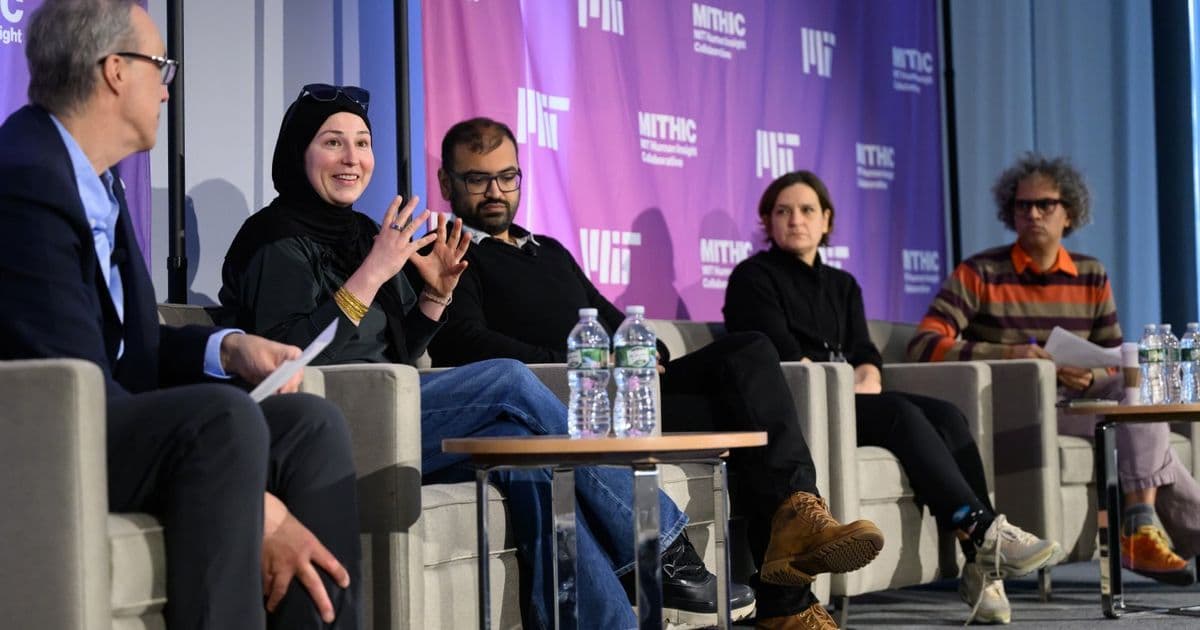
The inaugural MIT Human Insight Collaborative event showcased interdisciplinary projects integrating robotics, AI, and humanities, highlighting innovations from medical diagnostics to cultural preservation.
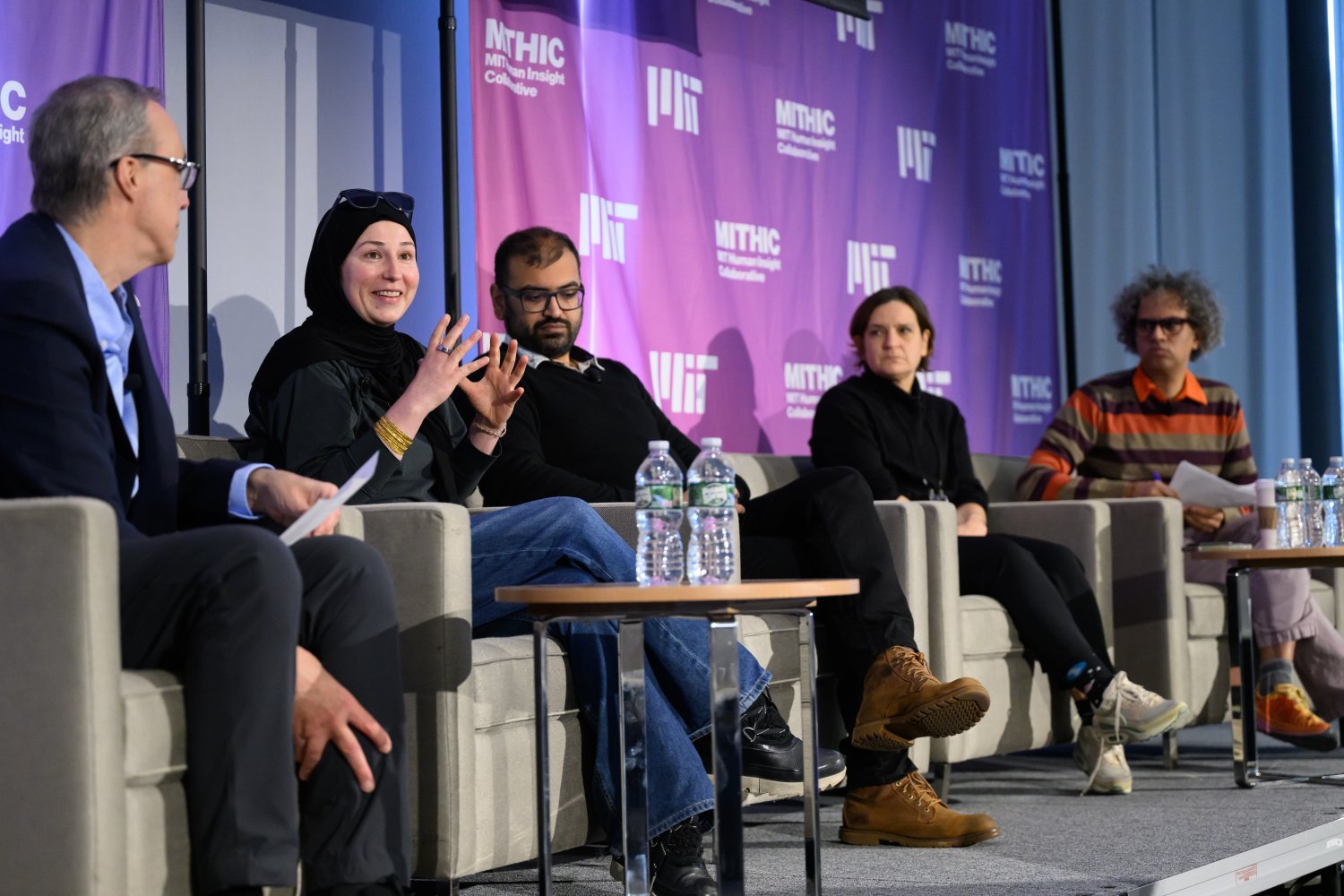
The inaugural MIT Human Insight Collaborative (MITHIC) Annual Event revealed how interdisciplinary collaboration is advancing autonomous systems and robotics. By combining insights from humanities, arts, and social sciences with cutting-edge engineering, researchers are creating more responsive, ethical, and human-aware technologies.
The Human Element in Autonomous Systems
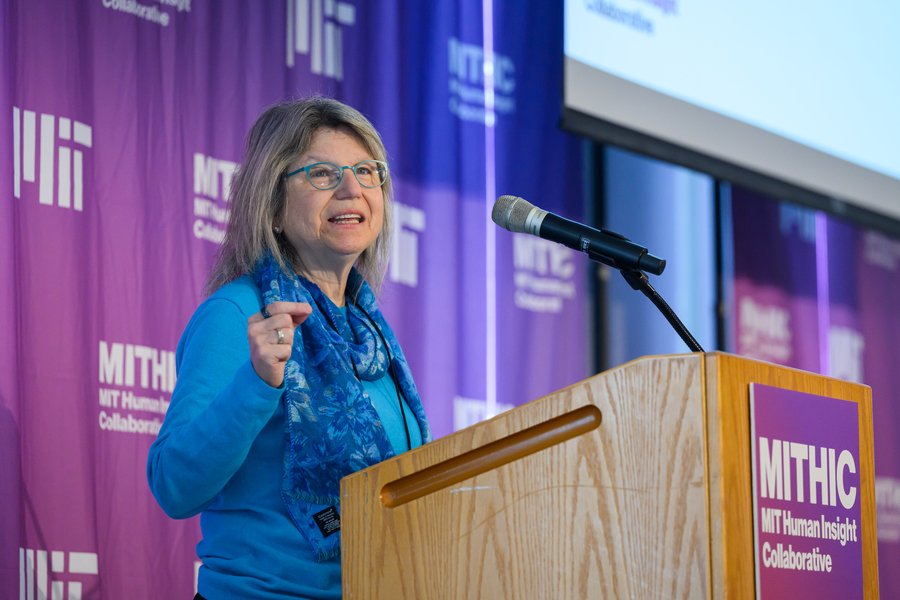
MIT President Sally Kornbluth opened the event by emphasizing projects that blend technical innovation with human insight. "MITHIC sparks opportunities to ask new questions and arrive at better, bolder answers grounded in the wisdom of humanities," she stated. This philosophy directly impacts robotics development, where understanding human context is crucial for autonomous systems operating in complex environments like climate-vulnerable communities.
AI's Expanding Role in Robotics
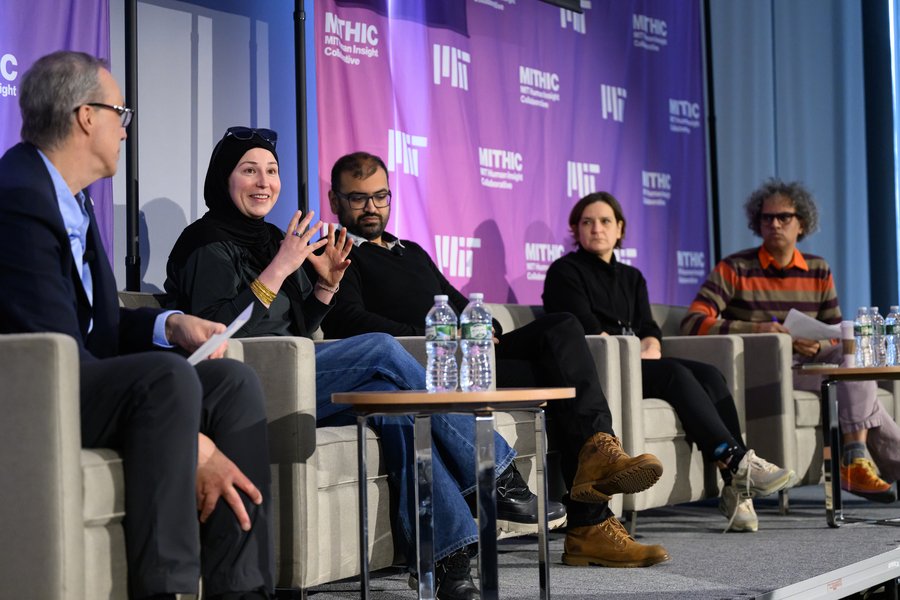
A pivotal panel moderated by Dean Dan Huttenlocher featured AI pioneers including Marzyeh Ghassemi and Esther Duflo. Their collaborative project exemplifies AI's transformative potential: Using handheld ECG devices and custom algorithms, they're detecting "silent" heart attacks in Indian patients. This research paves the way for autonomous medical diagnostics robots capable of:
- Processing physiological data with unprecedented accuracy
- Identifying at-risk populations overlooked by traditional screening
- Deploying in resource-limited settings via portable platforms
Materials Engineering Meets Cultural Robotics
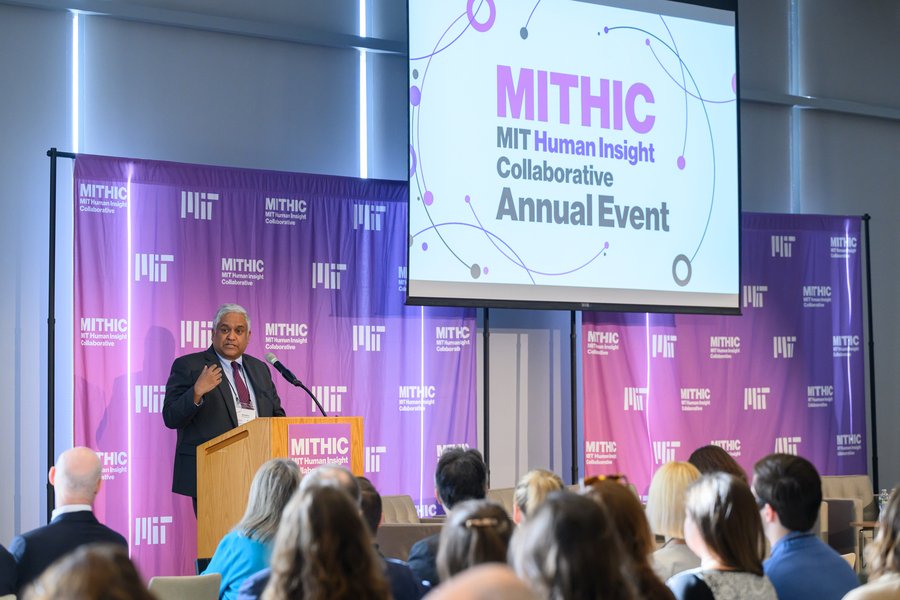
Provost Anantha Chandrakasan highlighted how MITHIC encourages "embedding human-centered thinking throughout research." This principle came alive in a materials science project recreating ancient Paracas whistles. By combining CT scanning, 3D printing, and acoustic analysis, researchers like Benjamin Sabatini are developing methods that could revolutionize cultural preservation robotics. Potential applications include:
- Autonomous artifact replication systems
- AI-driven acoustic restoration of historical instruments
- Robotic fabrication of culturally significant objects
The Path Forward
Keynote speaker Rick Locke envisioned a future where "business practices become more sustainable" through human-machine collaboration. For robotics engineers, MITHIC demonstrates that breakthroughs occur at disciplinary intersections—whether predicting health crises through AI or reconstructing history via advanced manufacturing. As over 80 new proposals enter review for 2026, MIT continues to pioneer robotics that balance technical excellence with deep human understanding.
Comments
Please log in or register to join the discussion