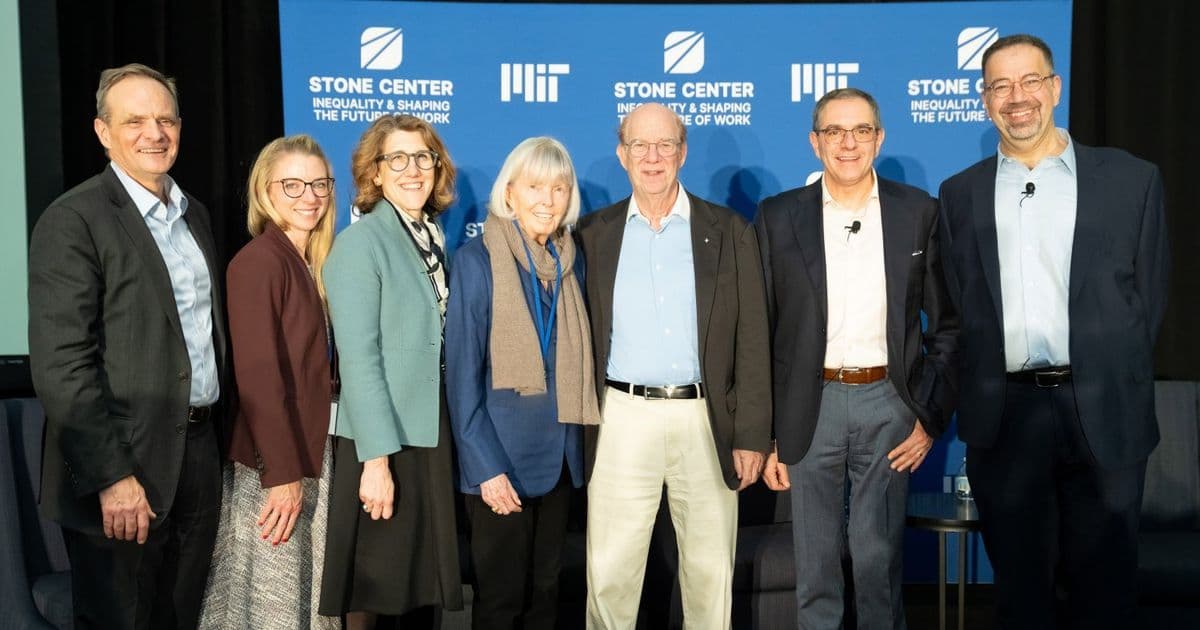
The MIT Stone Center's launch explored how robotics engineers can design AI systems that augment workers rather than replace them, emphasizing policy interventions and human-centered design principles.

The James M. and Cathleen D. Stone Center on Inequality and Shaping the Future of Work officially launched at MIT, bringing robotics engineers and economists together to address a critical challenge: How can autonomous systems promote economic equality rather than exacerbate wealth gaps? Co-directed by renowned economists including robotic workforce researcher Daron Acemoglu, the center targets the erosion of labor opportunities through technological disruption.
The Augmentation Imperative in Robotics
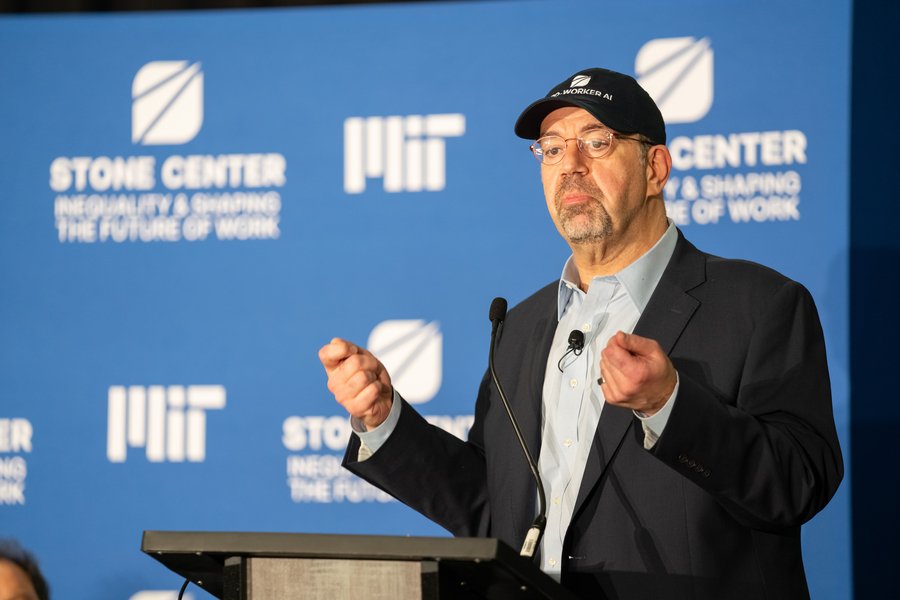
Robotics pioneer Daron Acemoglu emphasized that "AI should expand human capabilities, not automate them away." Current AI architectures prioritize task replacement through artificial general intelligence (AGI), but pro-worker robotics requires deliberate engineering shifts. Acemoglu advocated for "domain-specific, reliable knowledge systems" that empower workers—such as collaborative robots (cobots) that enhance precision manufacturing or logistics exoskeletons that reduce physical strain.
Policy as a Design Constraint
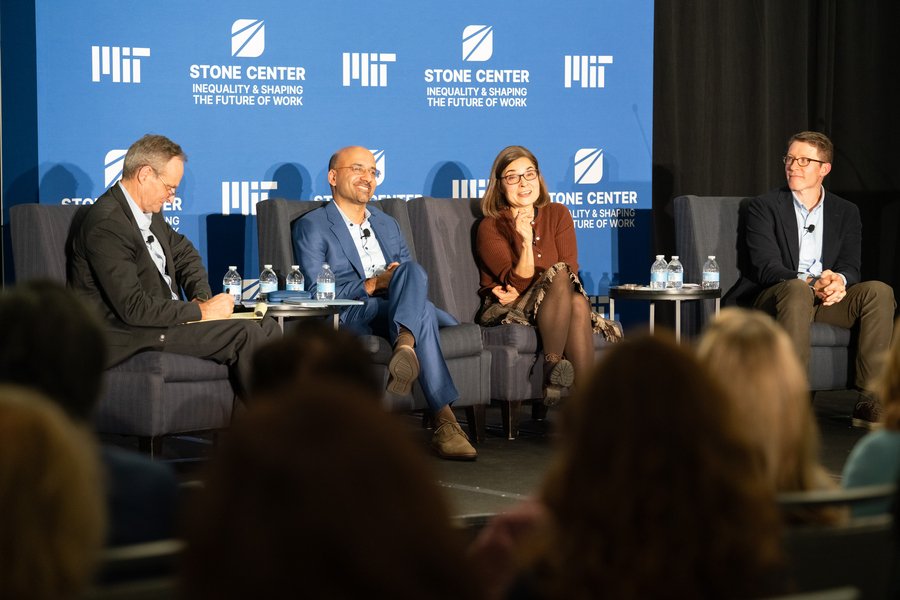
During a panel featuring Simon Johnson and Antoinette Schoar, speakers highlighted how policy shapes robotic adoption. Schoar noted that poorly designed subsidies often worsen inequality—a caution for robotics engineers developing automation for warehouses or agriculture. Owen Zidar added that private business owners dominate wealth concentration, urging engineers to consider how their designs might influence workplace power dynamics.
Human-Centric AI: From Theory to Actuators
Ethan Mollick warned that AI labs are "explicitly trying to replace people at everything," creating urgency for mechanical countermeasures. Microsoft researcher Zana Buçinca presented robotic interface studies proving that "AI's impact on work is design, not destiny." Examples include:
- Cognition-Aware Systems: AI that adapts to a worker's cognitive load in assembly lines
- Skill Amplification: Surgical robots that enhance (not replace) a doctor's precision
- Ethical Actuation: Factory robots with built-in safeguards against productivity-over-safety incentives
The Path Forward: Regulation and Architecture
U.S. Representative Jake Auchincloss connected social media regulation to robotics governance, suggesting liability frameworks for autonomous systems. For engineers, this translates to designing:
- Transparent Decision Trees for robotic behaviors
- Worker-Configurable Autonomy levels
- Data Rights Protocols in collaborative workspaces

The Stone Center positions roboticists as key stakeholders in building an equitable future—where mechanical innovation and AI align with human dignity. As Acemoglu asserted from the podium: "Without deliberate intervention, technology follows the path of least resistance toward inequality."
Comments
Please log in or register to join the discussion