
Apple's iOS 26.3 is expected to arrive in late January, following a predictable pattern established by previous x.3 releases. For developers, this update brings subtle but important changes, including new EU compliance features, an Android transfer option, and notification forwarding capabilities that could affect app behavior and user experience.
Apple's next significant iOS update is on the horizon, and while it may not pack the headline-grabbing features of a major point release, iOS 26.3 represents an important maintenance window that developers should prepare for. Based on Apple's established release cadence, the update is expected to land in late January, bringing a handful of targeted improvements and compliance adjustments.
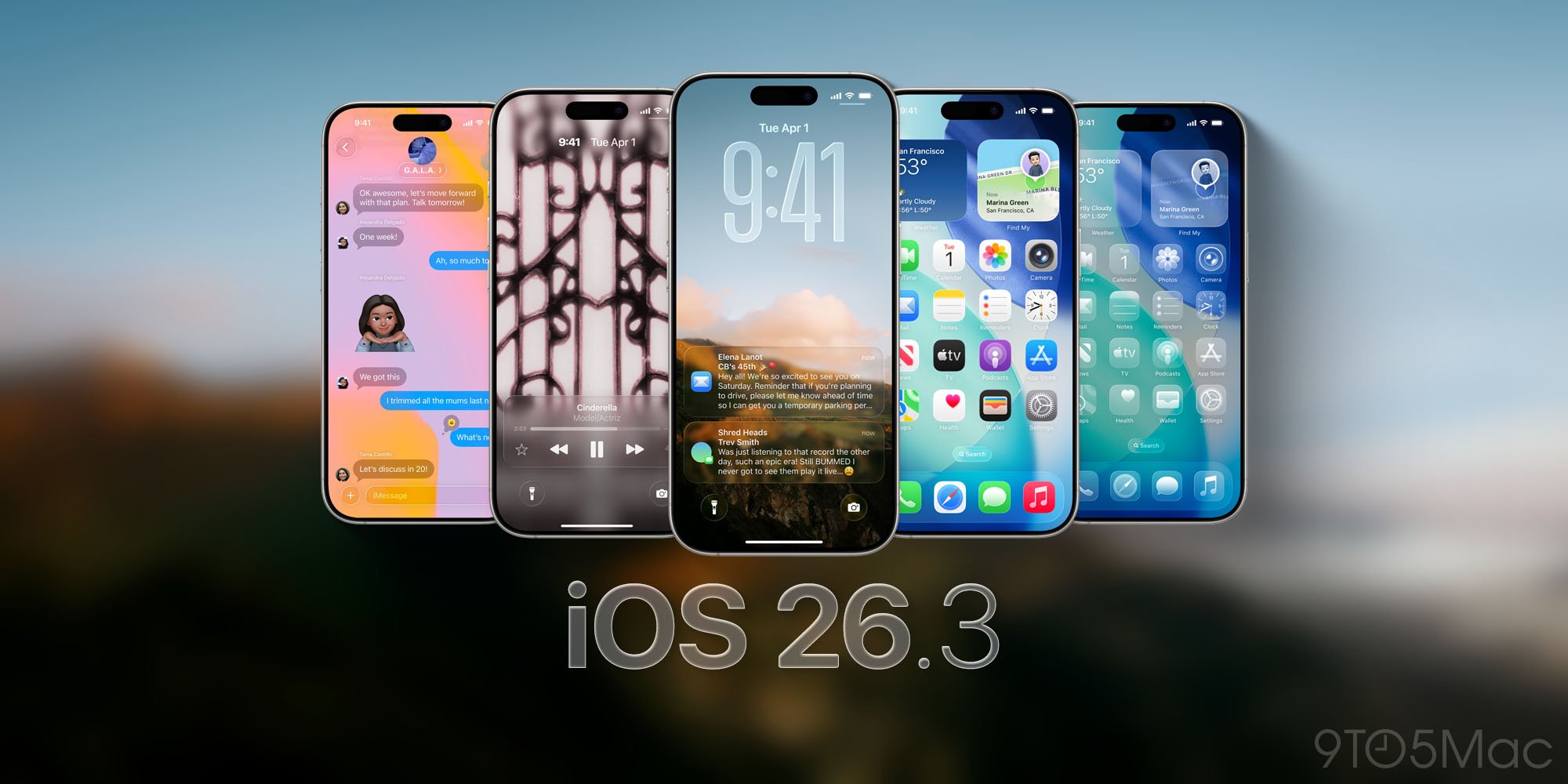
The Predictable Release Pattern
Apple's software release schedule has become remarkably consistent over the years, particularly for mid-cycle updates. Looking at the last three x.3 releases provides a clear timeline:
- iOS 18.3: Monday, January 27
- iOS 17.3: Monday, January 22
- iOS 16.3: Monday, January 23
Each of these updates arrived approximately one week after Martin Luther King Jr. Day. This year, MLK Day falls on January 19, making Monday, January 26 the most probable launch date for iOS 26.3. Apple could potentially slip the release to January 27 or 28, but the pattern strongly suggests late January availability.
For developers, this predictable schedule means you have approximately two to three weeks from the public beta release to prepare your applications for the final version. The public beta program typically opens several weeks before the general release, giving you time to test and adapt.
What's Changing: Developer-Focused Features
While iOS 26.3 isn't a major feature release, it introduces several changes that will impact development workflows and user experience considerations.
Android Transfer Collaboration
One of the most notable additions is a new Android transfer option, born from an Apple-Google collaboration. This feature makes it easier for users to transfer data from an iPhone to an Android device. Google is simultaneously launching a complementary feature for users switching to iPhone.
For developers, this has several implications:
- Data Portability: If your app stores data locally or uses iCloud, consider how users might export or transfer their data when switching platforms.
- Cross-Platform Considerations: This collaboration signals a growing recognition of multi-platform users. Apps that offer export/import functionality may see increased usage.
- Testing Scenarios: You may want to test your app's behavior when users migrate between platforms, particularly if you have companion apps or cloud synchronization.
The feature represents a subtle shift in Apple's approach to platform switching, acknowledging that users frequently move between iOS and Android. While not directly affecting app APIs, it may influence user expectations around data portability.
Notification Forwarding for EU Users
In the European Union, iOS 26.3 will enable notification forwarding for non-Apple Watch wearables. Currently, Apple Watch has exclusive access to iPhone notifications, but this update extends that capability to third-party smartwatches and wearables.
This change stems from regulatory pressure under the Digital Markets Act (DMA), which requires Apple to provide interoperability with competing devices. For developers, this means:
- Wearable App Development: If you're building apps for third-party wearables (like Garmin, Fitbit, or other smartwatches), you'll now have better access to iPhone notifications.
- Notification Management: Apps that handle notifications may need to consider how they interact with multiple wearable platforms simultaneously.
- API Considerations: While the primary implementation is at the system level, developers should monitor any new APIs or frameworks that might emerge to support this interoperability.
This change is EU-specific for now, but it represents a significant expansion of Apple's notification ecosystem. Developers building cross-platform wearable experiences should pay close attention to how this feature evolves.
Wallpaper and Visual Updates
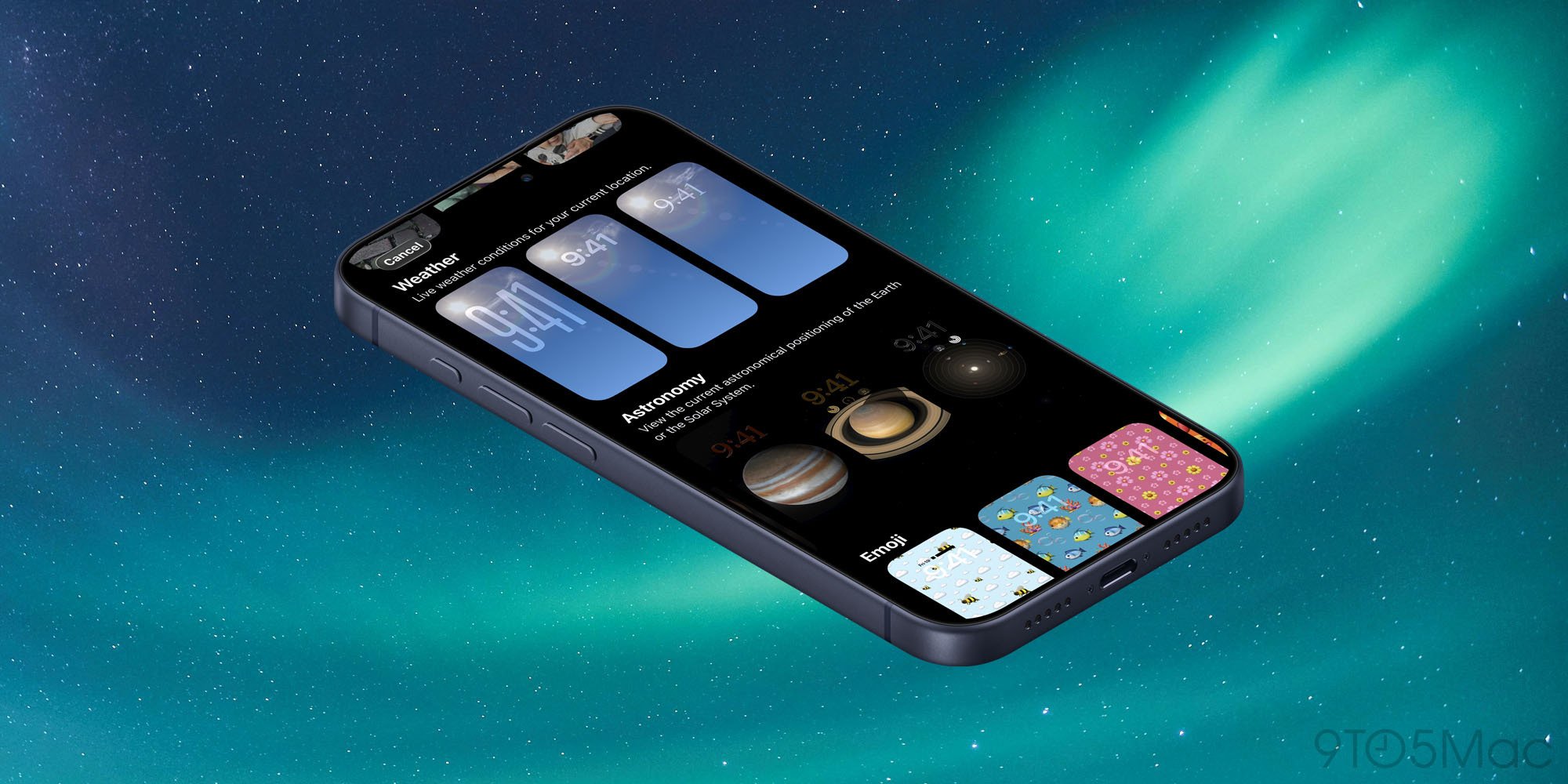
iOS 26.3 introduces minor visual changes, including a split of Weather from Astronomy in the wallpaper settings. While this seems cosmetic, it reflects Apple's ongoing refinement of the user interface. For developers, these changes serve as a reminder that:
- System UI Consistency: Apple continues to adjust system-level interfaces, which can affect how users discover and interact with your app's visual elements.
- Accessibility Considerations: Wallpaper changes may impact readability of app widgets or notifications displayed on the home screen.
Additional EU Compliance Changes
Beyond notification forwarding, iOS 26.3 includes other DMA-related adjustments. While specific details are still emerging, these typically involve:
- Alternative App Distribution: Further refinements to sideloading and third-party app store provisions.
- Browser Engine Choice: Additional flexibility for browser selection.
- Payment Processing: Continued adjustments to in-app payment options.
For developers targeting the EU market, staying informed about these compliance changes is crucial. The regulatory landscape continues to evolve, and Apple's implementation details can significantly affect app distribution and monetization strategies.
Testing and Preparation
Public Beta Access
If you want to test your applications against iOS 26.3 before the general release, you can join Apple's public beta program. This provides early access to the update, allowing you to:
- Identify compatibility issues
- Test new features that might affect your app
- Prepare documentation and support materials
- Update your app if necessary before the public release
Development Considerations
When preparing for iOS 26.3, consider these development tasks:
API and Framework Updates: While iOS 26.3 is a minor update, it's worth checking for any API deprecations or changes. Review Apple's release notes carefully when they become available.
Testing Scenarios:
- Test notification behavior with the new EU notification forwarding
- Verify app functionality when users are transferring data to Android
- Check for any visual inconsistencies with the updated wallpaper system
- Ensure compliance with any new EU regulations if you distribute in that region
User Communication: If your app has features that might interact with these changes (like notification handling or data export), consider updating your app's documentation or in-app guidance.
Broader Context: Apple's Release Strategy
iOS 26.3 fits into Apple's broader release strategy, which typically follows this pattern:
- Major Release (September): iOS 26.0 introduced significant new features
- Point Updates (Fall): iOS 26.1 and 26.2 address bugs and add minor features
- x.3 Update (January): Focused on stability, compliance, and targeted improvements
- Spring Updates: Additional refinements before the next major release
This pattern allows Apple to:
- Address regulatory requirements in a timely manner
- Provide developers with predictable update cycles
- Maintain system stability while introducing incremental improvements
Looking Ahead
While iOS 26.3 may seem like a minor update, it represents important ongoing work in several areas:
Regulatory Compliance: The EU-specific features demonstrate Apple's continued adaptation to global regulations. Developers should expect similar changes in future updates as new laws take effect.
Platform Interoperability: The Android transfer collaboration and notification forwarding suggest Apple is gradually opening up certain system capabilities. This could lead to more cross-platform development opportunities.
User Experience Refinement: Even small changes like wallpaper organization reflect Apple's attention to detail and ongoing UI/UX improvements.
Conclusion
iOS 26.3, expected in late January, represents a focused update that addresses compliance requirements, improves platform interoperability, and makes minor quality-of-life improvements. For developers, the key takeaways are:
- Prepare for EU-specific changes if you distribute apps in Europe
- Test notification handling with the new wearable forwarding capability
- Consider data portability as Apple and Google improve cross-platform transfers
- Use the public beta to ensure your apps work smoothly with the update
While not revolutionary, iOS 26.3 exemplifies Apple's methodical approach to software development—addressing regulatory pressures, improving interoperability, and refining the user experience in incremental, meaningful ways.
Developers should monitor Apple's official release notes when iOS 26.3 becomes available for the most detailed information about API changes and new capabilities.
For more information about Apple's software updates, visit the official Apple Developer documentation and iOS release notes.
Comments
Please log in or register to join the discussion