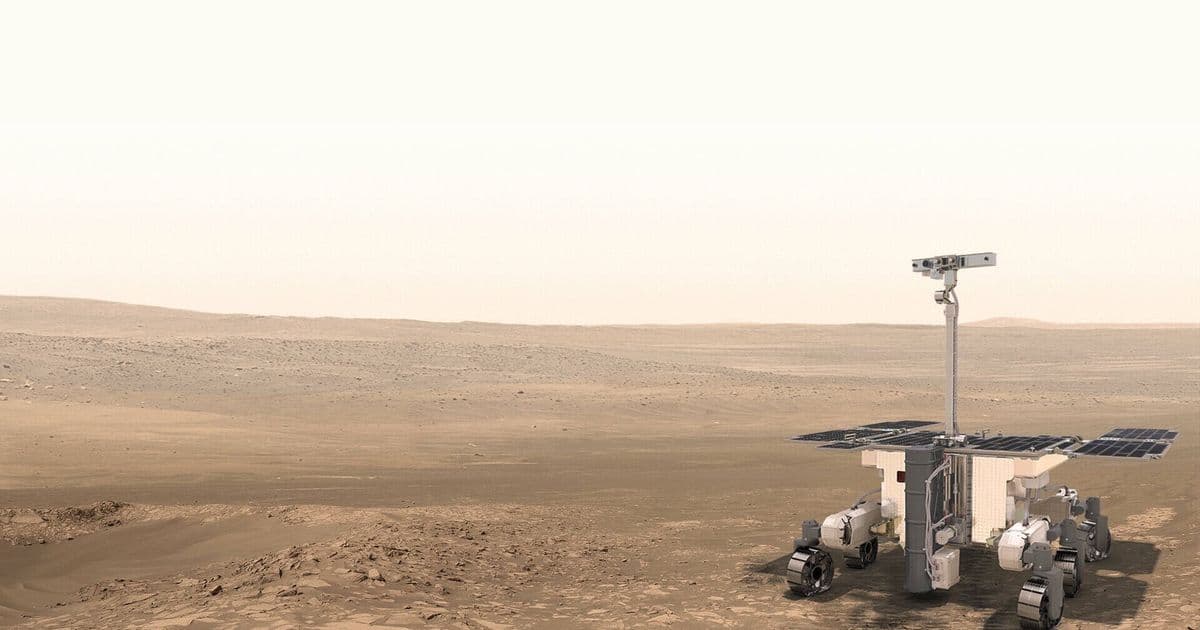
NASA has approved its contribution to the European Space Agency's Rosalind Franklin Mars rover mission, setting the stage for a potential 2028 launch despite ongoing budget challenges from the Trump administration.
After years of setbacks and delays, NASA has given the green light to its contribution to the European Space Agency's Rosalind Franklin Mars rover mission, potentially ending a quarter-century of limbo for the beleaguered project.
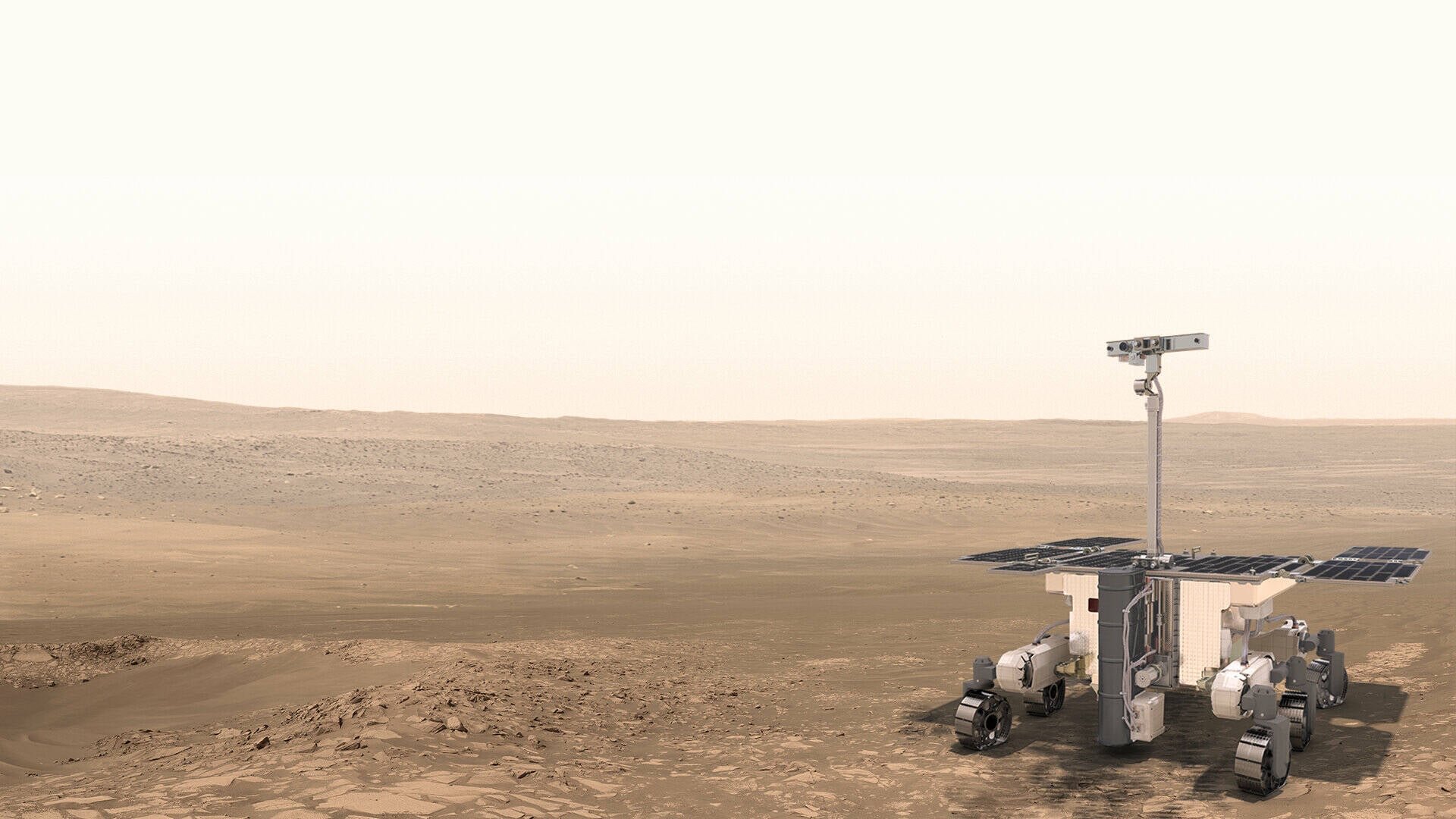
The US space agency announced that its Rosalind Franklin Support and Augmentation (ROSA) project has been approved to begin implementation, marking a significant milestone for a mission that has faced numerous obstacles since its conception in 2001.
NASA's Role in the Mission
NASA's contribution to the joint mission includes several critical components:
- Braking engines for the lander to ensure a safe touchdown on Mars
- Radioisotope heater units to keep the rover's internal systems warm in the harsh Martian environment
- Launch services using a SpaceX Falcon Heavy rocket from Kennedy Space Center
The mission is currently targeting a launch no earlier than late 2028 from Launch Complex 39A, with the six-wheeled rover designed to drill up to two meters below Mars's surface in search of evidence of past life on the planet.
A History of Setbacks
The Rosalind Franklin rover has faced a series of challenges that have repeatedly pushed back its launch date:
- 2022 launch cancellation: The mission was originally scheduled to launch in 2022, but Russia's invasion of Ukraine ended its partnership with ESA, leaving the rover without a launch vehicle or lander.
- Previous delays: A launch planned for 2020 was postponed after problems emerged during testing.
- NASA's initial withdrawal: In 2012, NASA dropped out of the project due to budget constraints, only to rejoin years later.
- Russia's involvement: After NASA's departure, Russia stepped in to provide the lander and launch services, but the Ukraine invasion ended that partnership.
Budget Challenges Continue
Despite the approval to move forward, the mission still faces financial uncertainty. The Trump administration has made multiple attempts to cut funding for NASA's contribution to the project, with the most recent proposal coming while the Artemis II crew was on their mission around the Moon.
However, NASA insiders report being "oddly relaxed" about these budget threats, noting that similar proposed cuts were rejected or reversed by lawmakers last year. This suggests that Congress may once again step in to preserve funding for the mission.
ESA's Preparations
While NASA finalizes its contribution, ESA has been actively preparing for the mission. The agency has been putting the ExoMars lander through its paces with an eye on the 2028 launch window. Additionally, British engineers have been tasked with building the ExoMars landing gear after Russia was sent packing from the project.
The rover, which has spent years in storage, is now one step closer to fulfilling its mission of exploring the Martian surface and searching for signs of past life. One NASA insider referred to the rover as "snakebit," reflecting the numerous challenges it has faced over the years.
Looking Ahead
If all goes according to plan, the Rosalind Franklin mission will mark the end of more than 25 years of development and delays. The rover was conceived in 2001, and NASA joined the project in 2009 before withdrawing in 2012 due to budget constraints. Russia's subsequent involvement and eventual exit due to geopolitical tensions further complicated the mission's timeline.
With NASA's approval to begin implementation of its contribution, the mission now has a clearer path forward. The combination of ESA's rover and spacecraft, NASA's critical components, and SpaceX's launch services creates a multinational collaboration that could finally deliver this long-awaited mission to Mars.
The Rosalind Franklin rover represents one of the most ambitious Mars exploration projects to date, with its ability to drill deeper than any previous rover and search for biosignatures that could indicate past microbial life. After decades of development and numerous setbacks, the mission may finally be ready to roll across the Martian plains and unlock secrets about the planet's potential to have once harbored life.
Comments
Please log in or register to join the discussion